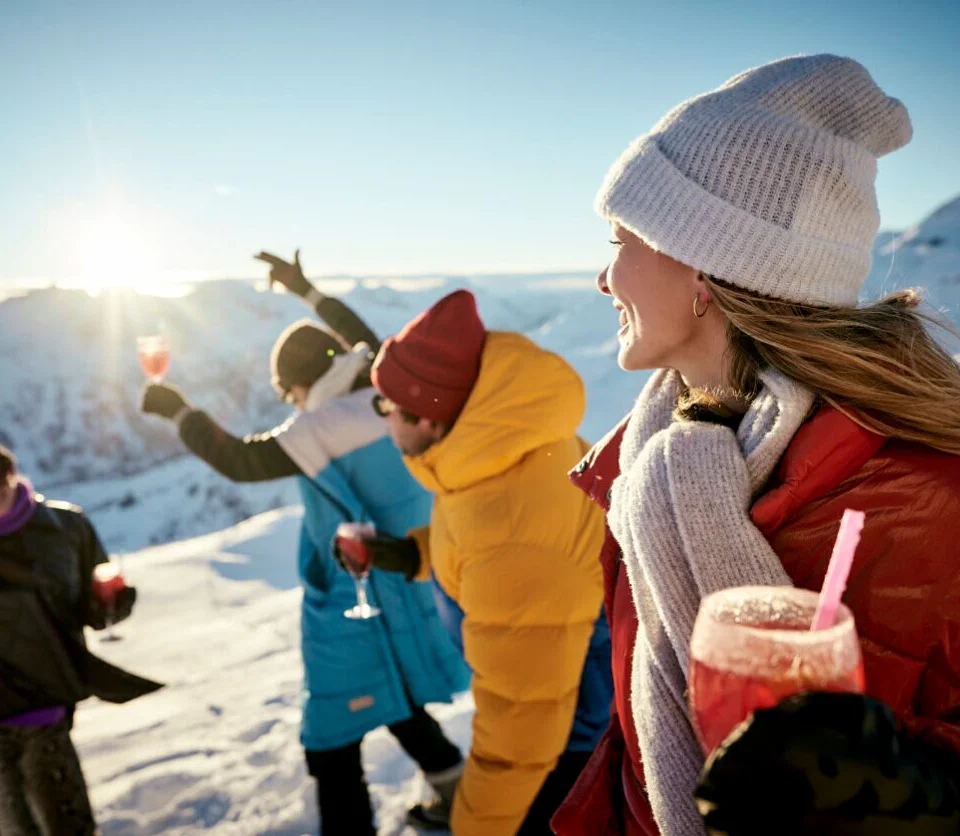


You’ve got the skis, the lift pass and Obertauern waiting for you. But there’s one thing left to figure out before you hit the slopes: what exactly should you wear?
Dressing for a day in the mountains isn’t quite the same as dressing for a winter walk around town. You can start the morning feeling the cold on the lift, warm up quickly once you start skiing and find yourself wishing for an extra layer again when the wind picks up.
The good news? You don’t need a suitcase full of ski clothes to be comfortable. The secret is knowing how to layer, choosing materials that work with you and preparing for whatever the mountain decides to bring that day.
If you forgot your equipment:
Gold Ski Equipment Rental
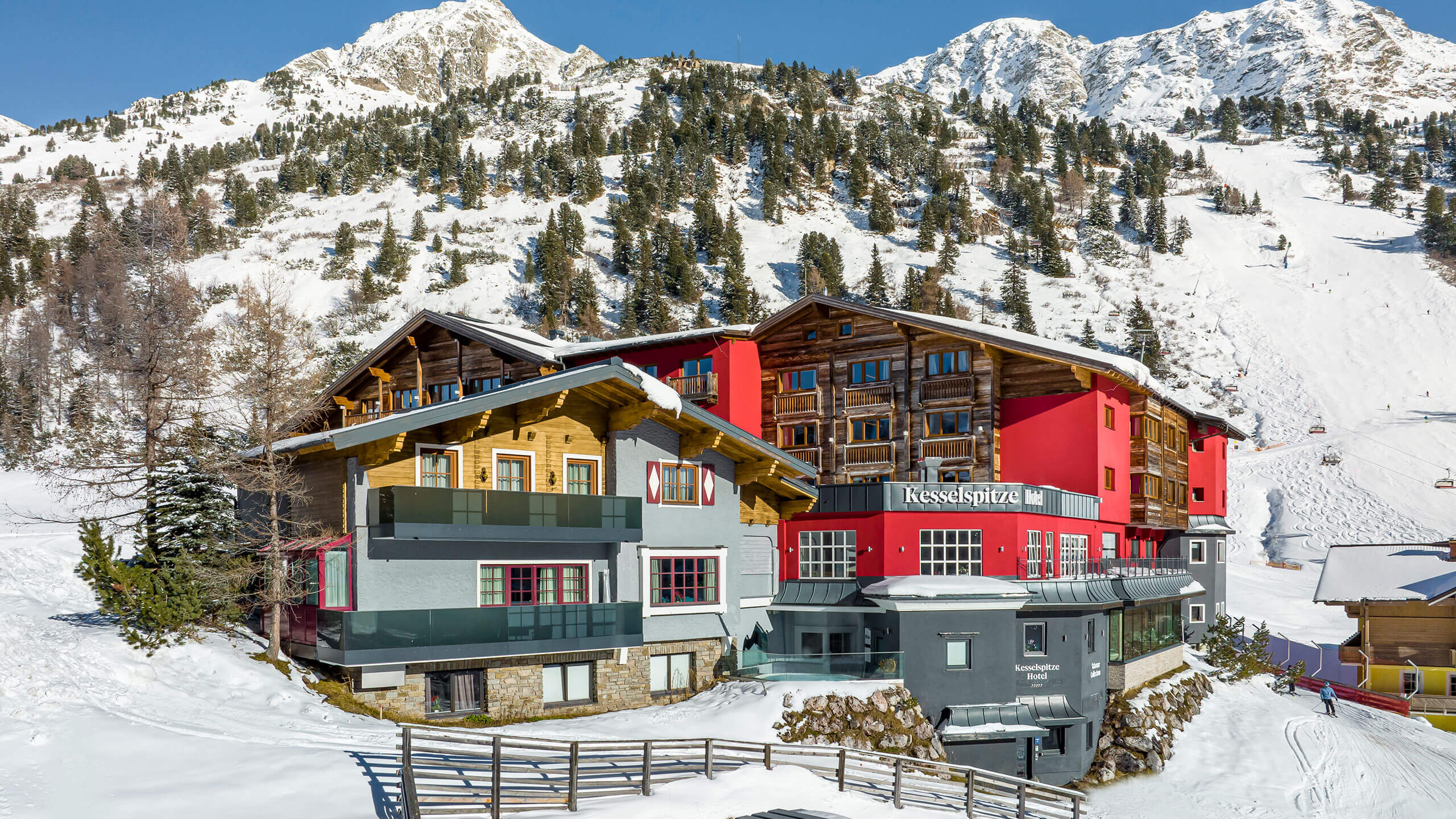
Get more out of every run with Gold ski equipment rental in Obertauern, designed for recreational skiers who want a balanced mix of comfort, control and responsive handling. Lightweight models move smoothly through turns, helping you settle into your rhythm across the mountain. With a professional fitting and equipment matched to your needs, you can focus less on your setup and more on enjoying the snow.*available exclusively to guests staying at Kesselspitze Hotel & Chalet 4*s, Valamar Collection, Valamar Obertauern Hotel 4* and [PLACES] Obertauern by Valamar.

What’s the Secret to a Good Skiing Outfit?
If there’s one rule to remember when planning your ski outfit, make it this: layers are your best friend.
Instead of relying on one very thick piece of clothing, a layered outfit lets you adjust throughout the day. Feeling warm after a few runs? Take off a layer. Getting chilly on the chairlift? Put it back on.
A good ski outfit usually consists of three main layers:
- Base layer: helps manage moisture and keeps you comfortable next to your skin.
- Mid-layer: provides warmth and can be adjusted depending on the temperature and your activity level.
- Outer layer: protects you from wind, snow and moisture.
Together, they create a flexible system that works whether you’re cruising down the slopes or taking a well-deserved break at a mountain hut.
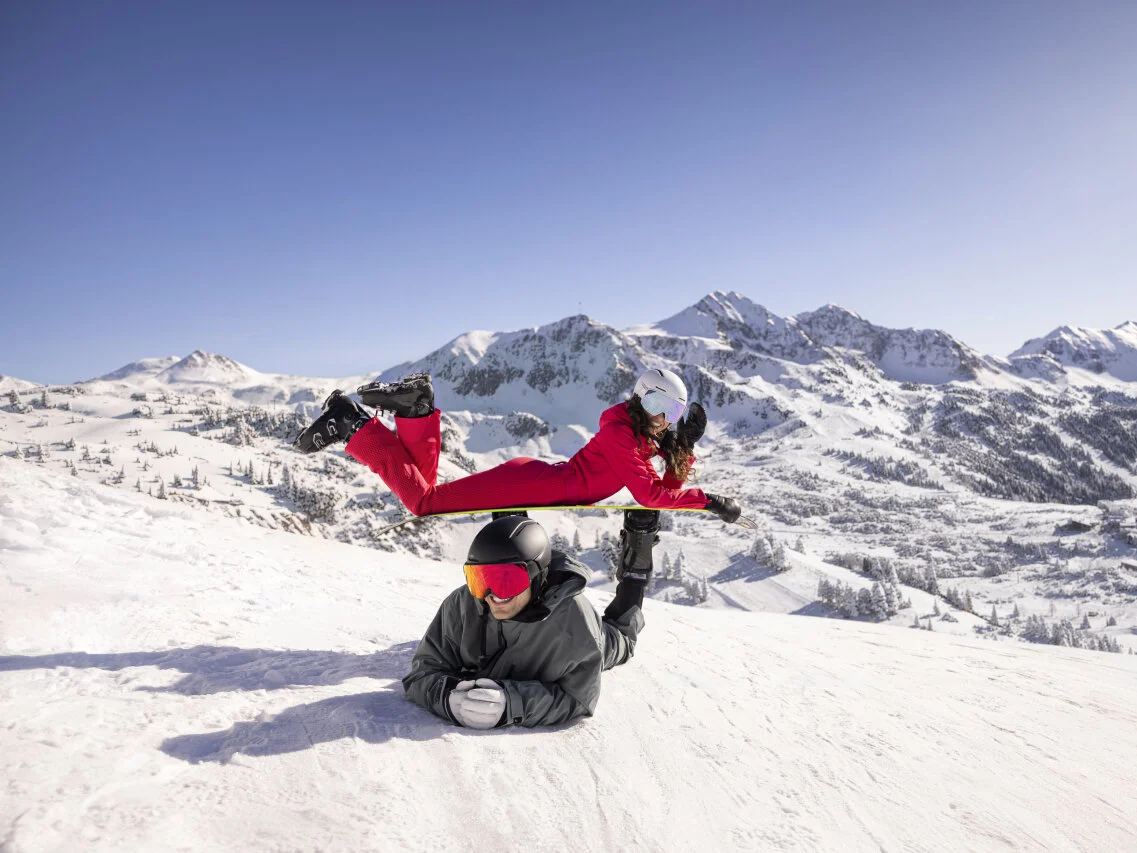
What to Wear Under Your Ski Jacket
The layers underneath your ski jacket can make a surprisingly big difference to how comfortable you feel throughout the day.
Start with a good base layer
Your base layer sits directly against your skin, so its main job isn’t simply to keep you warm. It should also help move moisture away from your body when you start working up a sweat.
Thermal tops and bottoms made from merino wool or synthetic materials are popular choices for skiing. They provide warmth while helping regulate body temperature.
One thing to leave at home? Cotton. Once it gets damp from sweat, it can stay wet and make you feel colder rather than warmer.
Add a mid-layer when you need extra warmth
Your next layer is all about insulation. Depending on the weather and how warm you naturally feel, this could be a fleece, lightweight insulated jacket or another warm layer.
The key is not to go overboard. Wearing too many bulky layers can restrict movement – and when you’re trying to make your turns on the slopes, freedom of movement matters.
It’s smarter to choose something warm, comfortable and flexible, rather than simply “as many clothes as possible”.
Your Ski Jacket and Pants: Protection Comes First
Your outer layer is your main protection against the mountain weather.
A good ski jacket should help keep snow and moisture out while protecting you from wind. At the same time, it should be breathable enough to let excess heat escape when you’re skiing hard.
When choosing a jacket, look for:
- Waterproof or water-resistant protection
- Wind protection
- Breathable materials
- Enough room for your layers underneath
- A comfortable fit that allows free movement
- Useful features such as zipped pockets and ventilation
The same goes for ski pants. They should keep you dry and comfortable without getting in the way when you bend your knees, sit on the lift or move around on the slopes.
In case you need a ski lesson:
Private Skiing Lessons
Build confidence, refine your technique and make faster progress with private skiing lessons in Obertauern tailored entirely to your level. Your instructor adjusts the pace and focus of each session, whether you are learning your first turns, improving control or working towards smoother, more precise skiing. With individual guidance and no group programme to follow, every minute on the slopes is focused on what will help you improve most.*available exclusively to guests staying at Kesselspitze Hotel & Chalet 4*s, Valamar Collection, Valamar Obertauern Hotel 4* and [PLACES] Obertauern by Valamar.
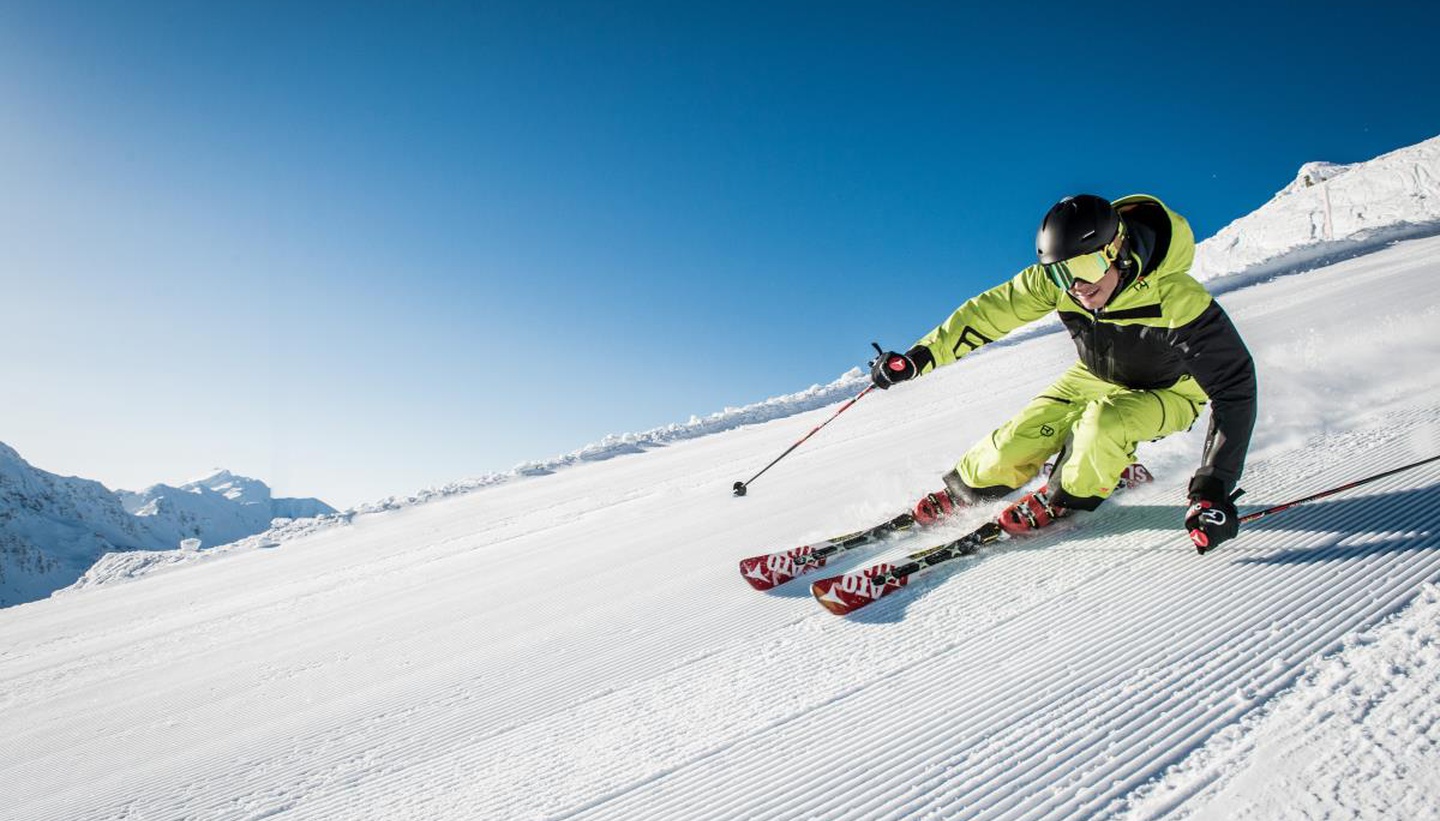
Don’t Forget Your Hands, Feet and Head
A great ski outfit comes down to the details.
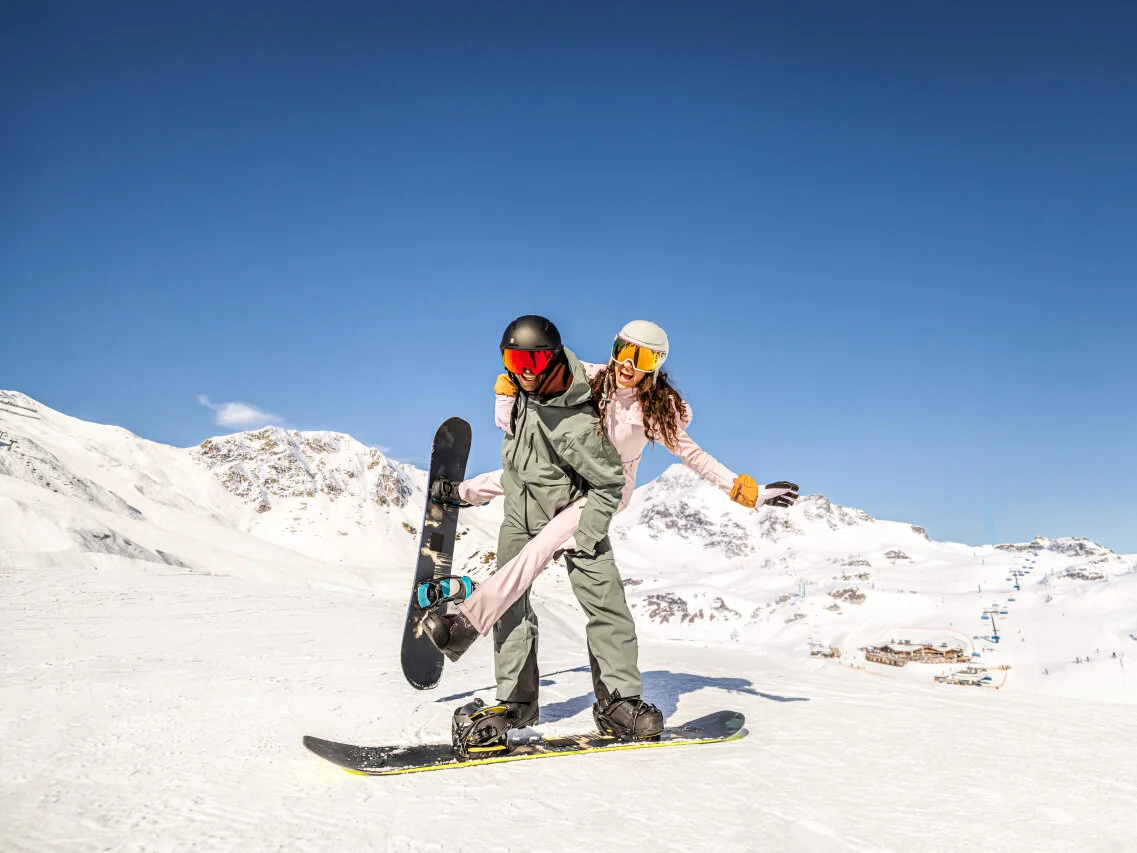
One good pair of ski socks is better than several thick ones – too much bulk can actually make your feet colder. For your hands, go for insulated gloves or mittens that keep out snow and moisture; mittens are usually warmer, while gloves give you more freedom of movement. A well-fitting helmet and a good pair of ski goggles are non-negotiable, keeping you protected and your vision clear when the weather changes.
And yes, sunscreen belongs in your ski bag too – snow reflects UV rays, even on cloudy days. Add a neck warmer for extra protection from the cold, and save your beanie for après-ski.
What Not to Wear Skiing
Sometimes knowing what to leave behind is just as useful as knowing what to pack.
- Jeans: They offer little protection from snow and moisture.
- Cotton base layers: They can stay damp and leave you feeling cold.
- Too many pairs of socks: Extra bulk can make your ski boots uncomfortable.
- Everyday winter gloves: They may not provide enough protection from snow and wind.
- One bulky sweater: Several lighter layers give you more flexibility throughout the day.
What to Wear After Skiing in Obertauern
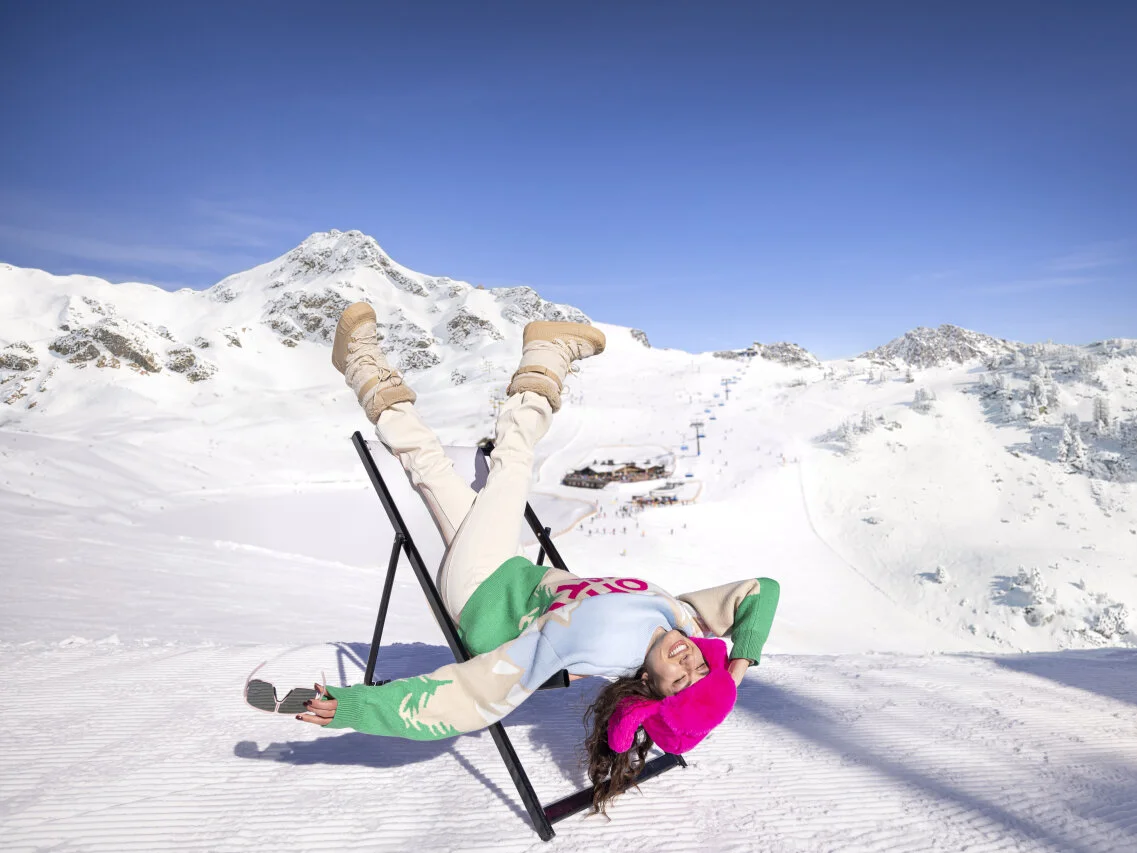
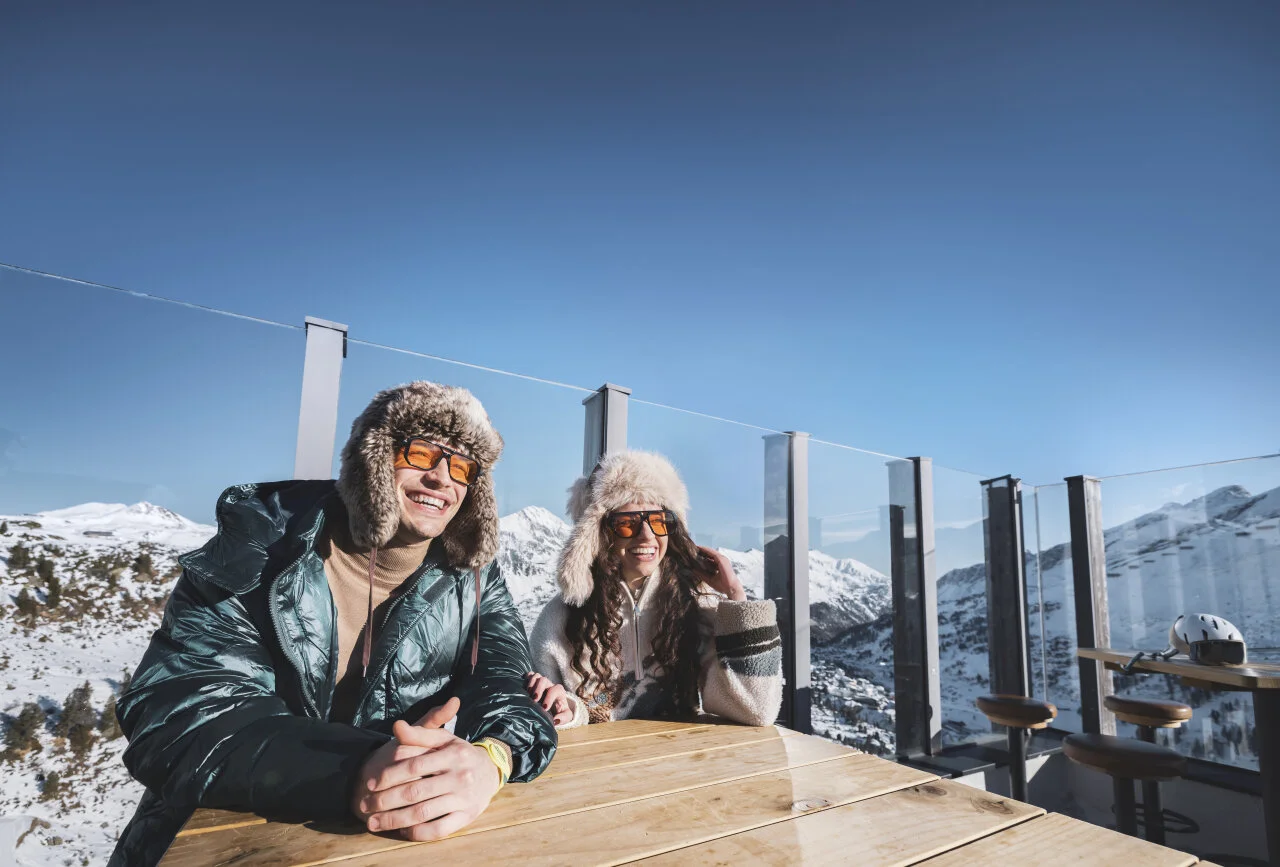
Your ski outfit has one job on the slopes: keeping you comfortable. Once the skis come off, it’s time for a different kind of winter look. Whether you’re heading for après-ski, grabbing dinner or simply relaxing after a day in the mountains, swap technical ski layers for something warm and comfortable.
From early-season snow to bright spring days, the best time to ski in Austria can look different for every kind of skier. And in Obertauern, the day doesn’t end when the lifts close. Sometimes, the best part comes afterwards.
Ready for Your Day on the Slopes?
Knowing what to wear skiing in Obertauern doesn’t have to be complicated. Start with a good base, add warmth where you need it and make sure your outer layers can handle the mountain weather.
Once you’ve got the right layers sorted, there’s only one thing left to do: enjoy the snow.
Obertauern’s slopes are waiting – so pack smart, layer up and get ready for your next alpine adventure.
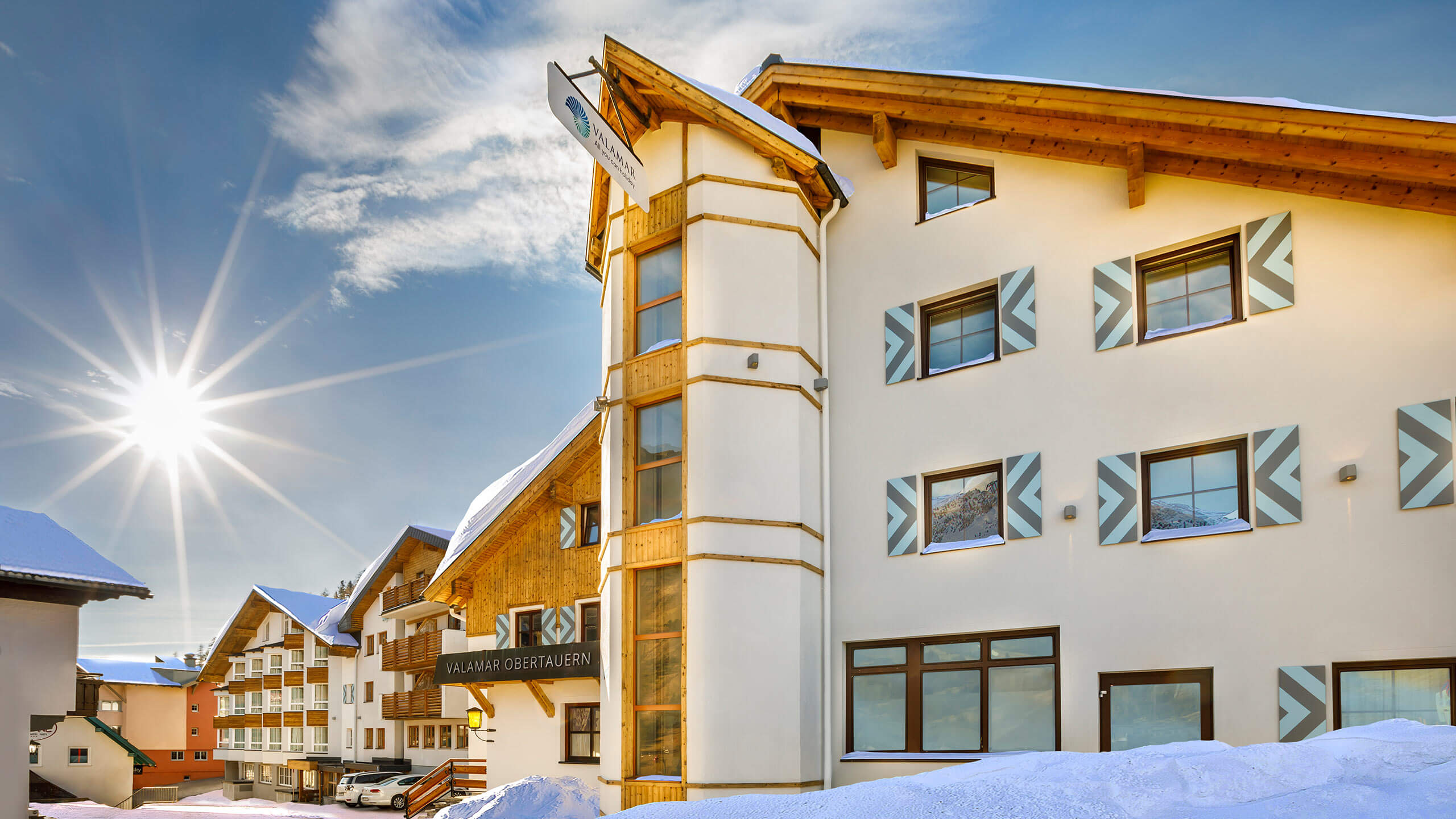
![[PLACES] Obertauern by Valamar](https://multimedia.valamar.com/mediagallery-dxp-production/obertauern-places-hotel-ski-fun-cover-v2-xl.jpg)

![[PLACES ROOFTOP BAR] mit urbaner Lounge-Atmosphäre über den Dächern von Obertauern und verschneitem Bergpanorama](https://travel.valamar.com/wp-content/uploads/2026/05/image5-13-960x960.webp)