



If you have the freedom to travel outside the peak summer months, September might just be one of the best times to discover Croatia.
The Sea Is Still Warm Enough for Swimming
The calendar may say autumn is approaching, but the Adriatic has other ideas.
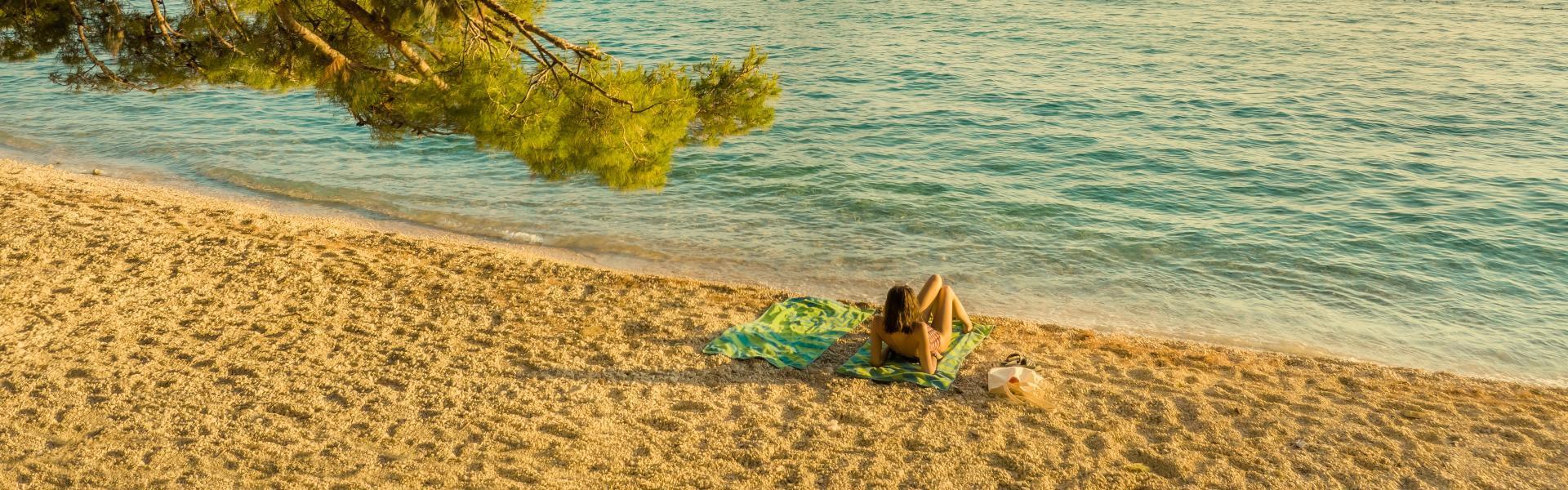
After months of summer sunshine, the sea retains much of its warmth well into September. Along the coast, sea temperatures are typically around 23–25°C, while daytime temperatures commonly remain in the twenties. In other words, there is no need to put away your swimming costume just yet.
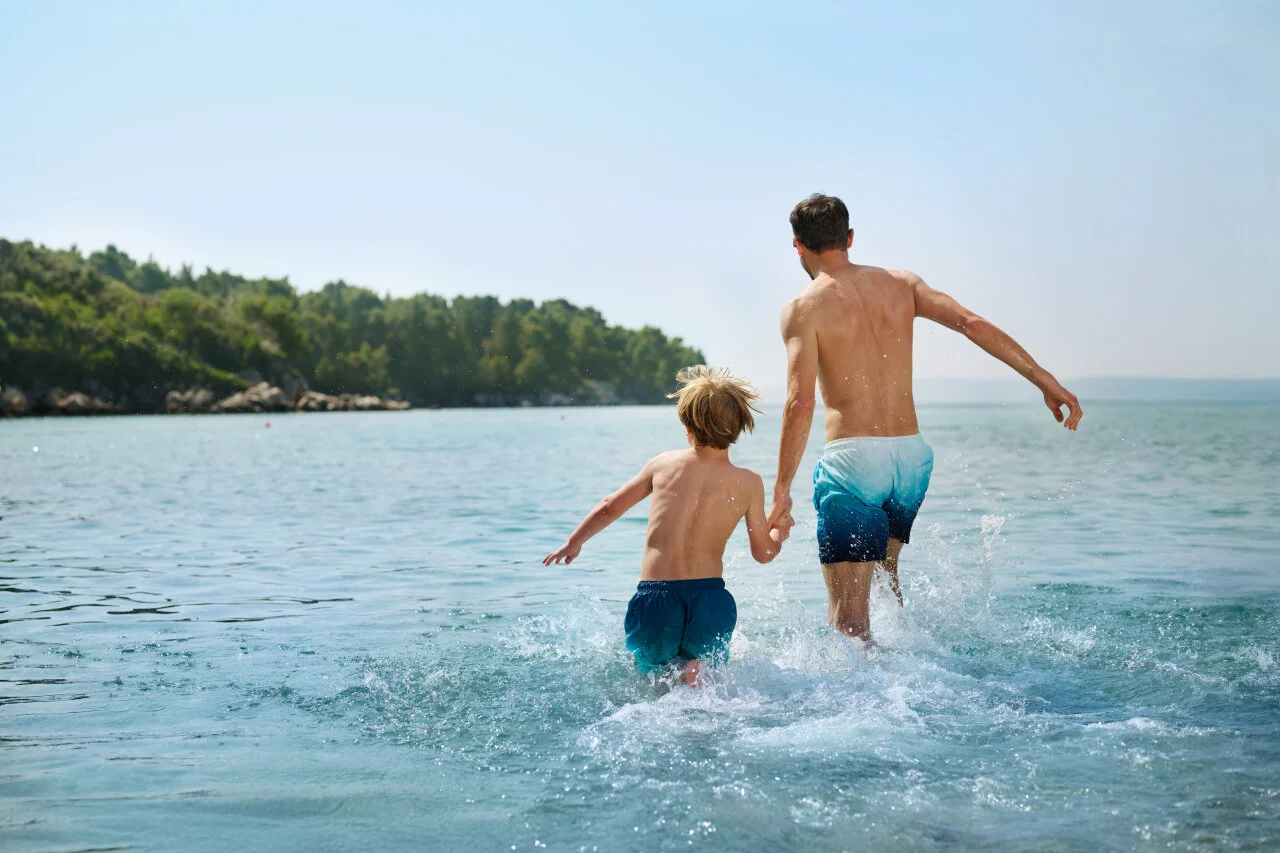
Spend the morning sightseeing and the afternoon on the beach, take a boat trip to a secluded cove or simply jump into the sea whenever the water looks too inviting to resist. Get inspired with how to spend a late summer day in Poreč or Rab island.
And because the hottest days of July and August have passed, you can often enjoy the beach without feeling as though you need to spend the entire afternoon hiding beneath an umbrella.
There Is More Room to Enjoy the Adriatic
One of September’s biggest advantages is simple: there are generally fewer visitors.
The busiest part of the summer season begins to wind down, which can make everything from walking through a historic old town to finding your favourite spot on the beach feel more relaxed. September is widely considered a particularly appealing shoulder-season month because it combines warm conditions with lighter crowds.
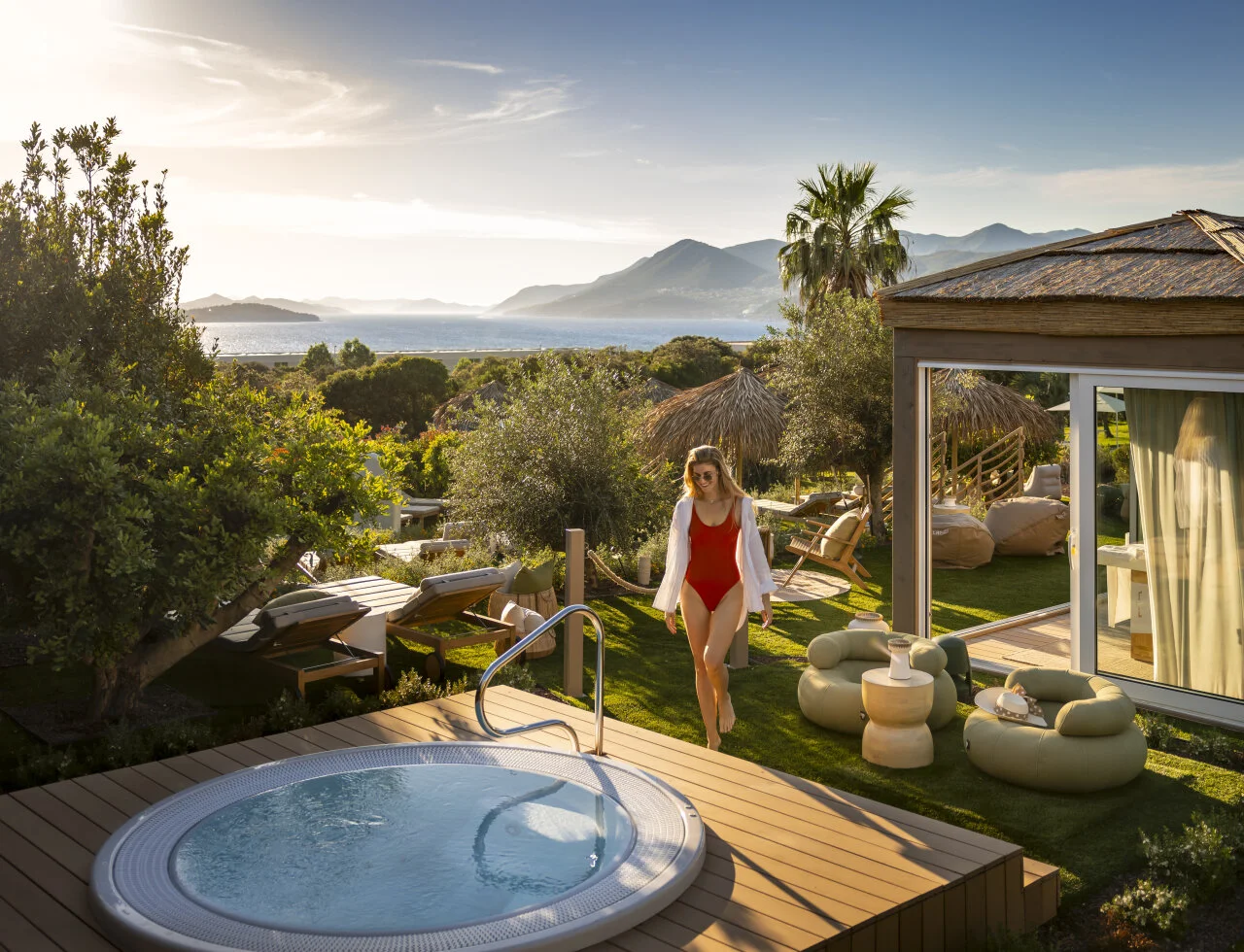
In Dubrovnik, that means more breathing room as you explore the city walls and stone streets. Or simply slow down at one of Valamar’s resorts in Dubrovnik – spend the afternoon at the spa, linger by the sea and end the day watching the sun set over the Adriatic.
And on Hvar, you can still enjoy the island’s unmistakable summer atmosphere – just at a slightly slower pace. Sometimes that little extra space makes all the difference.
Sightseeing Becomes Much More Enjoyable
Croatia has far too much history to spend your entire holiday lying on a beach. The problem in midsummer is that exploring ancient stone towns beneath the afternoon sun can become an endurance test.
September makes things considerably easier. Walk Dubrovnik’s city walls, explore the Euphrasian Basilica in Poreč, wander through Rab Town or climb towards Hvar’s Fortica without the most intense summer heat.
The slightly milder weather also makes it easier to slow down and notice the details: a hidden courtyard, a centuries-old church, a local gallery or the perfect little café in Makarska you might otherwise have walked straight past.
And when sightseeing ends with an afternoon swim, everybody wins.
It Is a Brilliant Time to Get Active
If your ideal holiday involves more trainers than sun loungers, September is particularly appealing.

Cycling routes across Istria, Krk and Rab become much more comfortable once the strongest summer heat begins to ease. Hiking, kayaking, stand-up paddleboarding and exploring national and nature parks also feel far more inviting.
Take a bike through the forests of Rab, follow coastal trails around Rabac or head towards the spectacular landscapes of Biokovo.
September is also an excellent month for island hopping and sailing, with the Adriatic still warm enough for regular swimming stops along the way.
The beauty of travelling at this time of year is that you do not necessarily have to choose between an active holiday and a beach holiday. Do both.
September Tastes Particularly Good
September is harvest season, which gives food and wine lovers another excellent reason to visit. Across Istria, vineyards begin their annual grape harvest, while local menus celebrate the ingredients arriving with late summer and early autumn. Wine regions become especially interesting to explore at this time of year, and September also marks the beginning of an important period for Istria’s famous truffles.
Visit a family winery, taste local Malvasia or Teran and leave enough room for a long Istrian lunch.
Further south, Hvar’s centuries-old winemaking tradition offers another excuse to explore the island beyond the beach. Try indigenous varieties, visit a local cellar or simply order a bottle of island wine with dinner overlooking the sea.
September may technically signal the approach of autumn. At the table, it feels more like a celebration.
Summer Is Not Over Yet – And Neither Are the Events
Perhaps the best reason to visit Croatia in September is that it still feels like summer – just a softer version of it.
Days remain warm enough for the sea, but evenings invite you to slow down. Waterfront restaurants are still buzzing, terraces are made for lingering, and sunsets seem to arrive at exactly the right time for an aperitif.
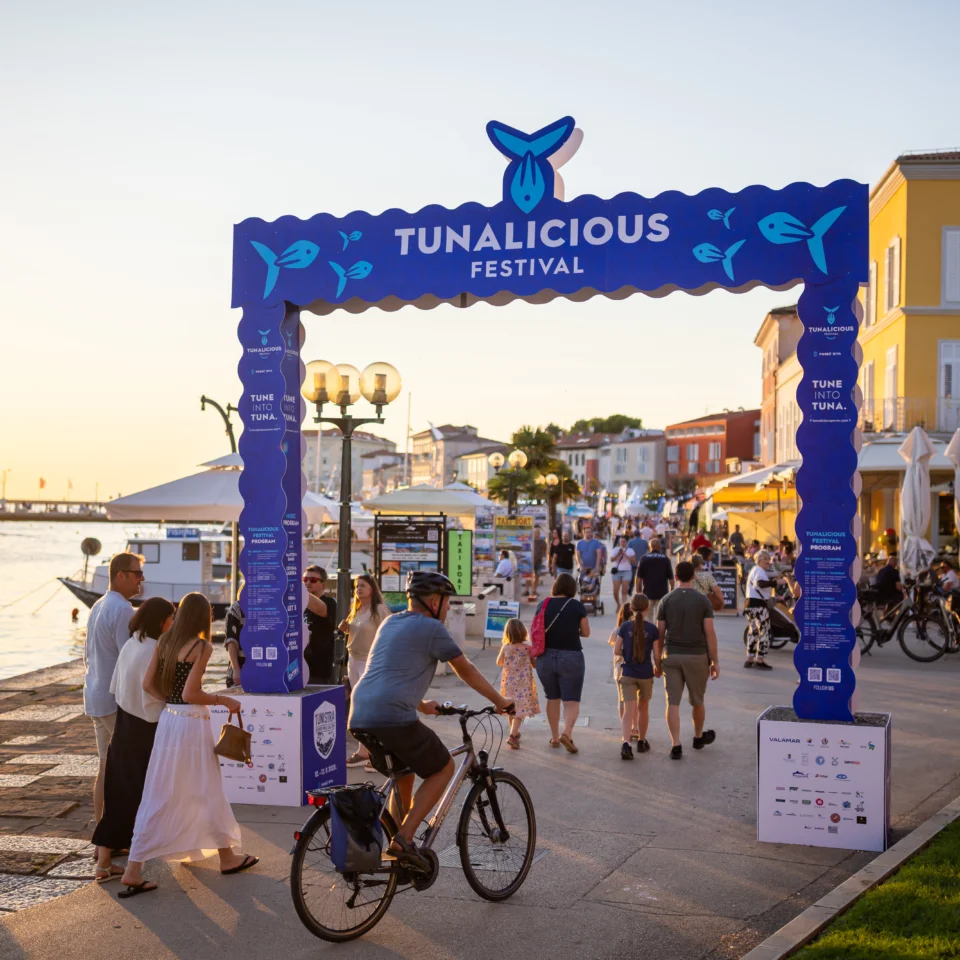
And the late-summer calendar still has plenty going on. Tunalicious Festival keeps the mood going with several days of tuna-inspired food, music and entertainment along the Poreč waterfront. On Hvar, Days in Vala brings traditional boats, Dalmatian flavours, music and maritime heritage to Stari Grad, filling the harbour with a lively celebration of island life.
There is still energy in the destinations, but less urgency.
So, Is September a Good Time to Visit Croatia?
Very much so. You still get warm days, swimming weather and plenty of that unmistakable Adriatic summer feeling – but with fewer crowds and conditions that make exploring much more comfortable.
Come for the beaches, boat trips and sunshine. Stay for the cycling, wine, historic towns and long dinners by the sea.
Because in Croatia, September does not really feel like the end of summer; it feels like getting the endless summer all to yourself.