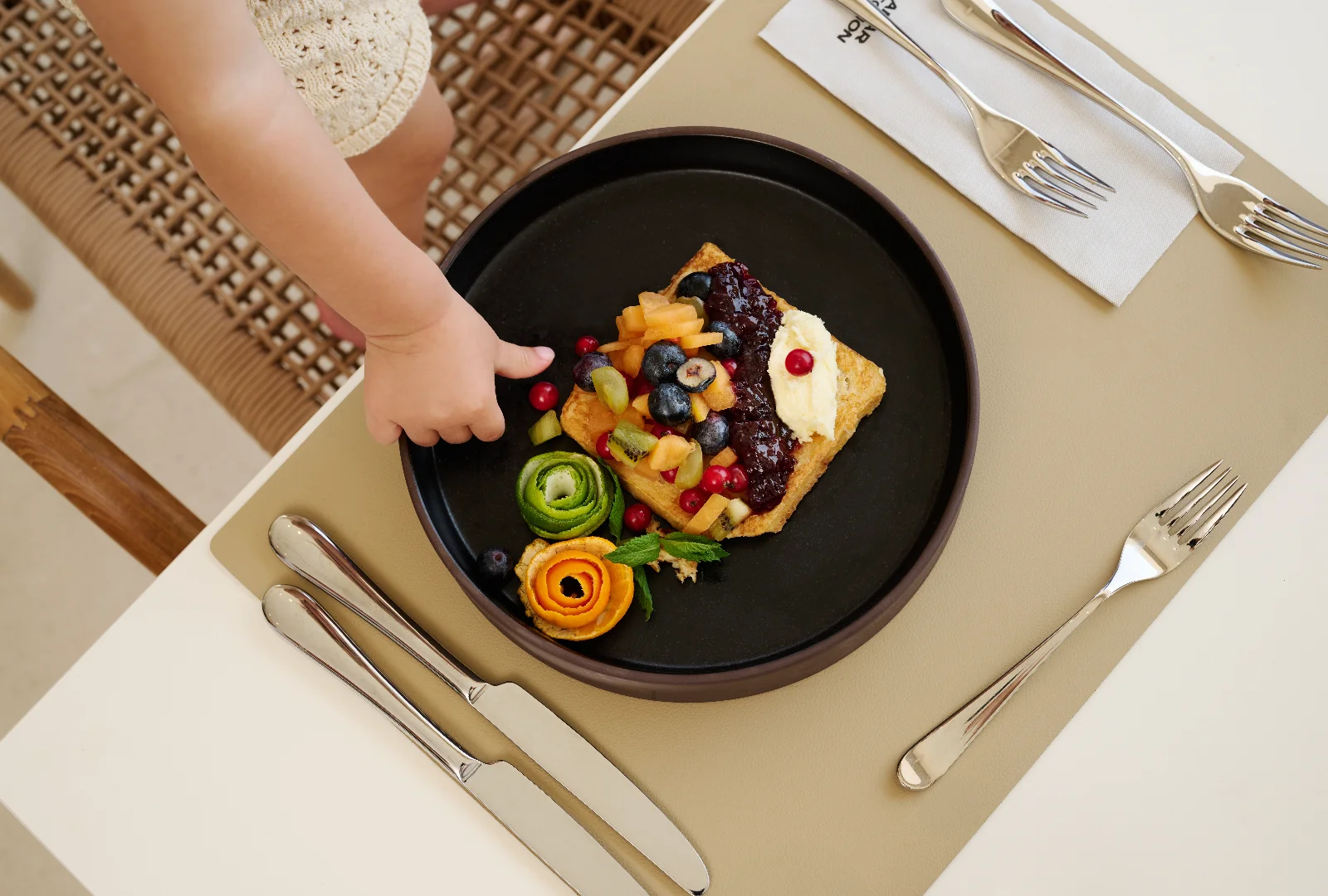



Developed in collaboration with nutritionist Ivana Domislović, who created the concept, Baby Balance goes beyond the menu itself. It covers everything from ingredient selection and food preparation to allergen labelling and staff training. We spoke to Ivana about how the programme came to life, what makes its meals special, how nutritional needs change as babies grow, and how Valamar approaches ingredient selection and allergen management.
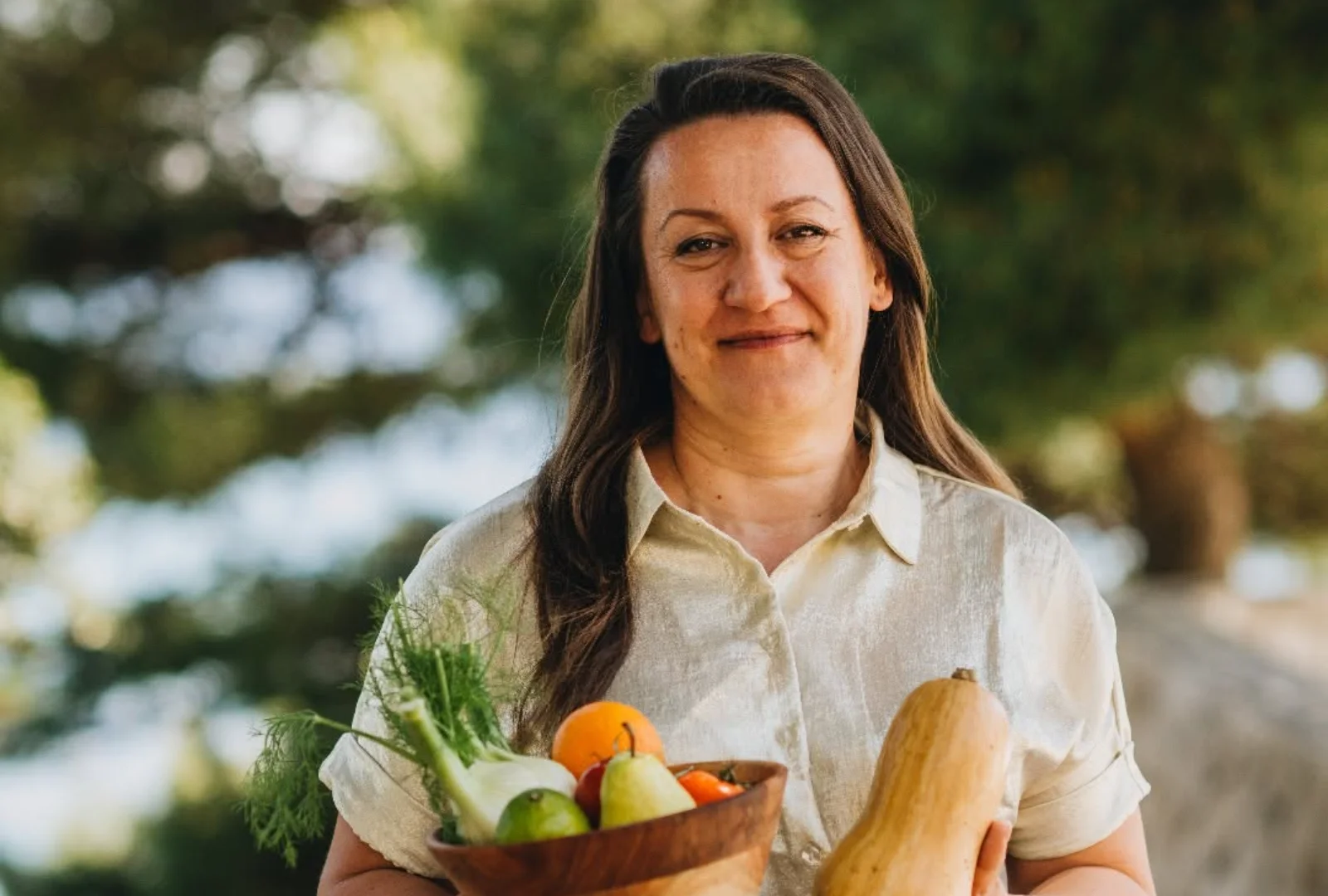
From Farm to Health
Baby Balance started with a simple idea: even the youngest hotel guests deserve special attention, especially when it comes to nutrition. The programme is built around Ivana’s professional philosophy, “From Farm to Health”, which recognises that a healthy meal begins long before it reaches the plate.
“As a nutritionist and agronomist, I see nutrition as much more than the food we eat. It starts with where ingredients come from and how they are grown, and continues through preparation and the impact food has on a child’s health. By bringing these areas of expertise together, we can take a more holistic and responsible approach to nutrition, especially during the first years of life,” Ivana explains.
Together with Valamar, she has turned this philosophy into a practical approach to feeding the youngest guests. Baby Balance brings together recipes tailored to babies’ nutritional needs, clear guidelines for food preparation and serving, ingredient traceability, and careful allergen management. Hotel staff receive dedicated training, and regular checks help ensure that these standards are followed every day.
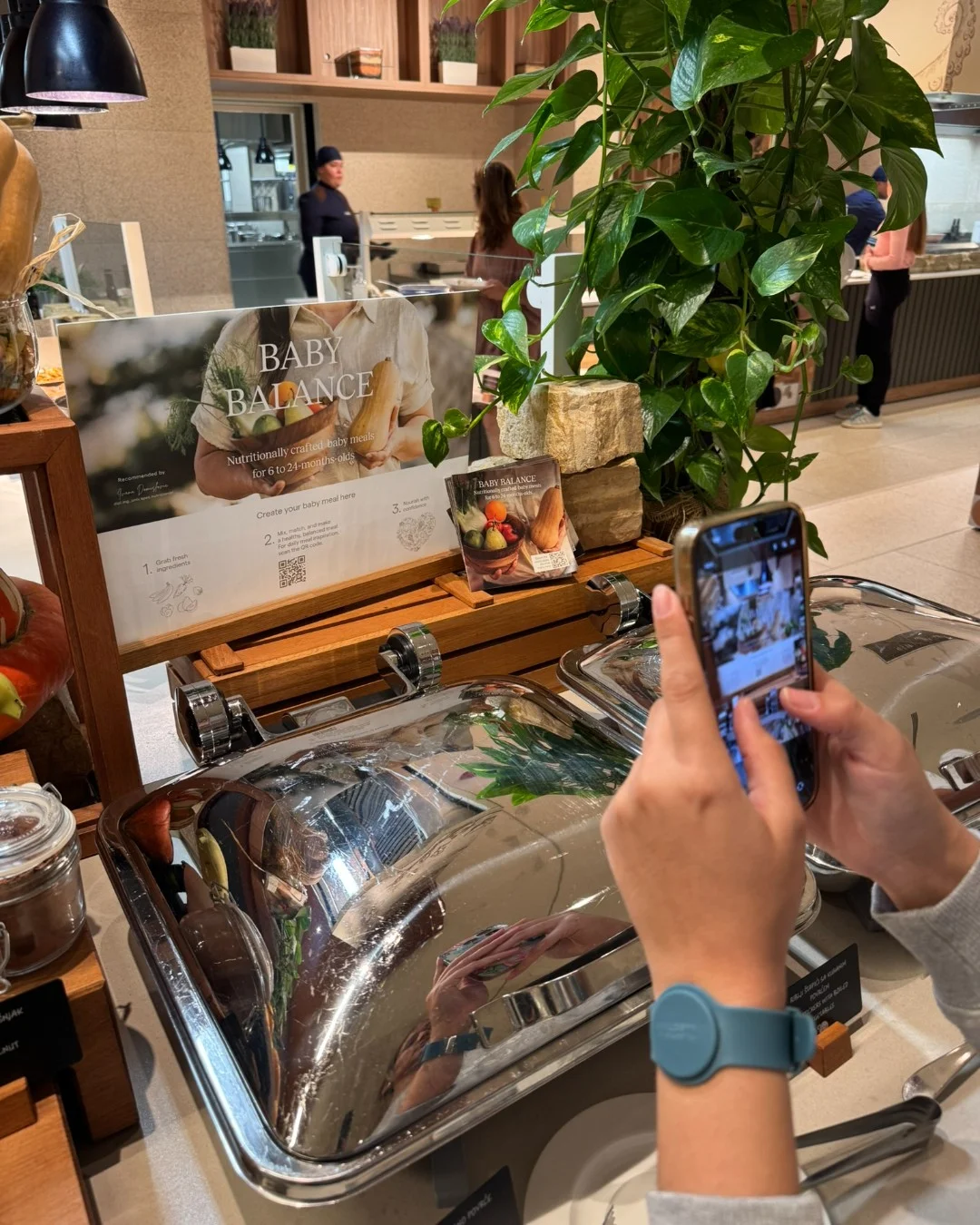
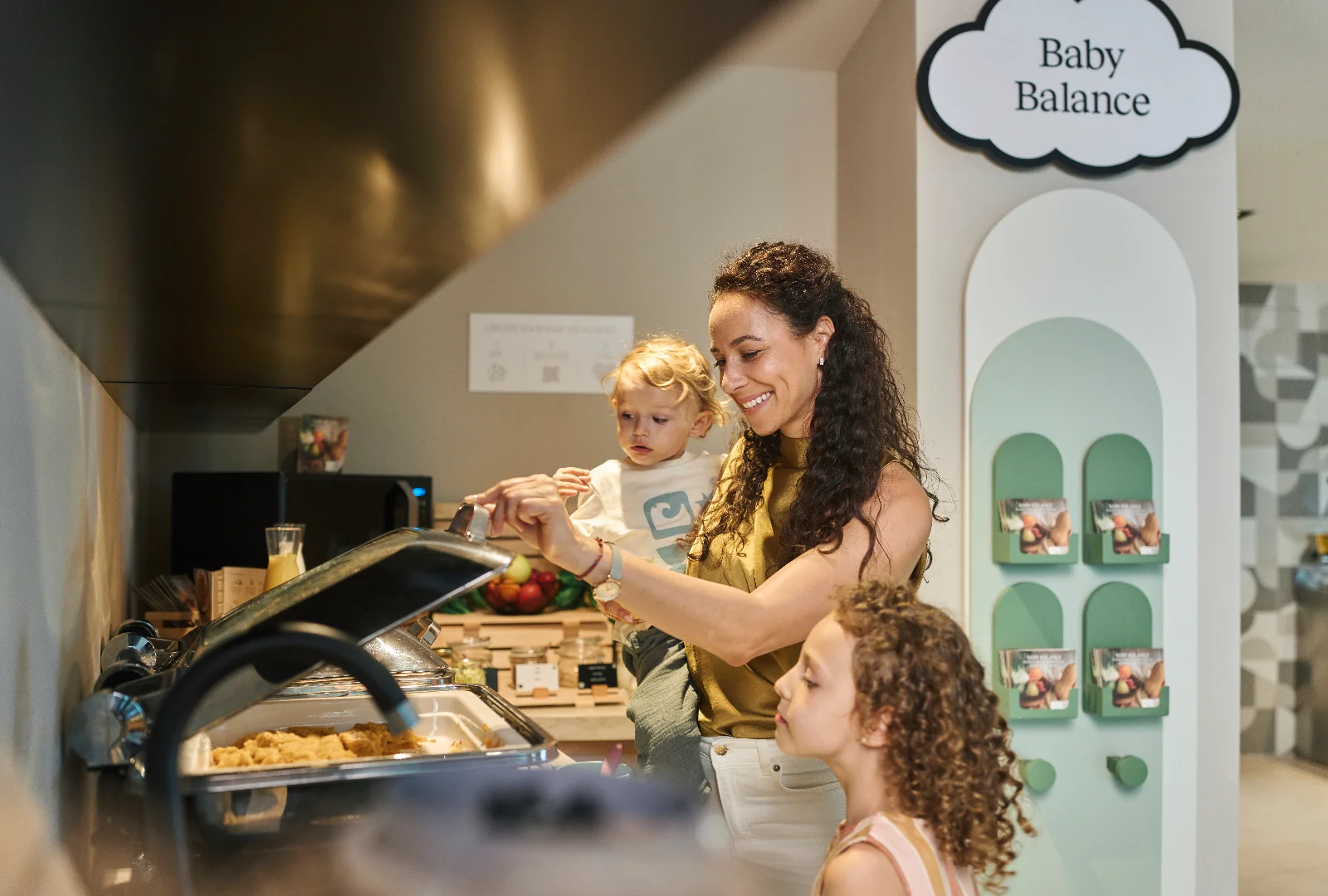
First introduced at Arba Resort on the island of Rab, Baby Balance is now also available at Pical Resort and Marea Suites in Poreč, as well as Girandella Resort in Rabac. At each property, meals for babies and toddlers are served in a separate, clearly marked section of the buffet restaurant.
“My goal was to create a programme that gives parents expert guidance and reassurance, while providing hotel staff with clear, practical instructions they can follow in their daily work,” Ivana says.
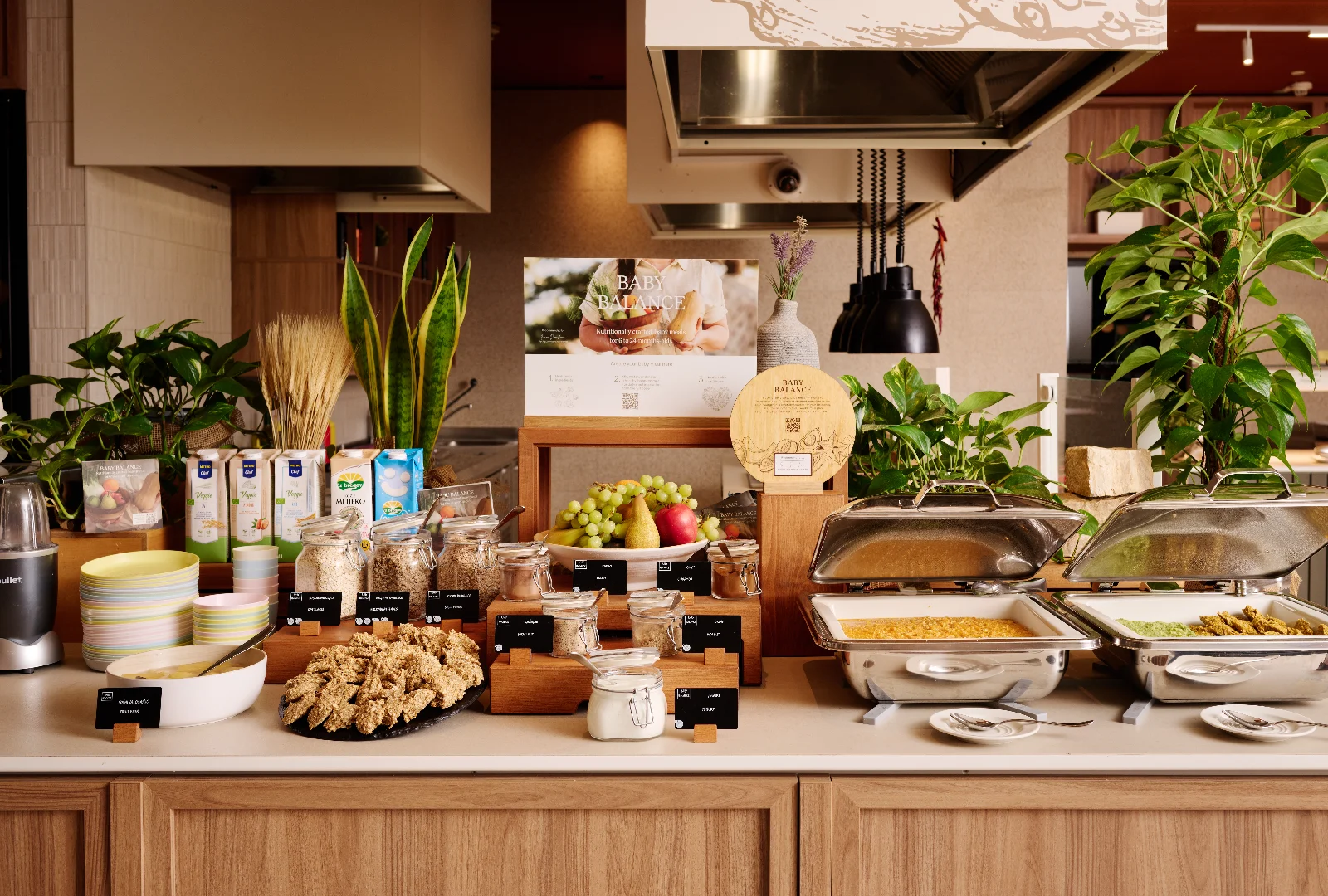
Behind Every Baby Balance Meal
“There’s a lot more to a meal than what you see on the plate,” Ivana explains.
It all starts with the ingredients. Baby Balance works with local producers and family farms, prioritising ingredients that can travel a shorter distance from farm to kitchen. This helps maintain their freshness and quality.
Each recipe is carefully developed to suit a child’s age, nutritional needs and stage of development. Everything matters, from how easily a meal can be digested and how well its nutrients are preserved to the texture that’s right for little ones at each stage.
The people preparing the meals play an equally important role. Trained chefs follow carefully developed recipes and clear preparation guidelines to ensure consistency.
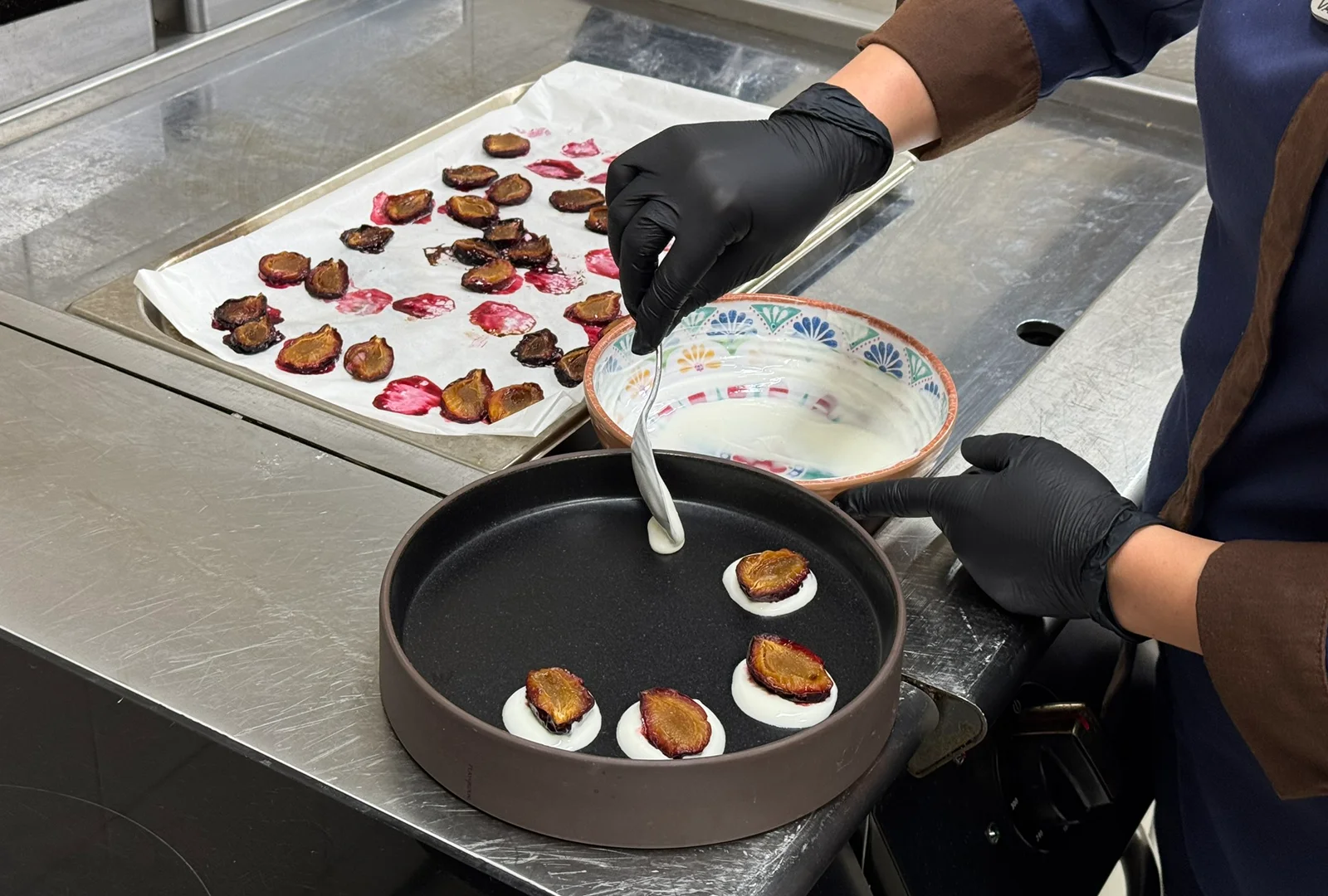
Parents can also scan a QR code to view the menu, including a full list of ingredients and potential allergens for each dish. This makes it easier to choose suitable meals based on what their baby has already tried and any dietary needs or restrictions.
Why the First Two Years Matter So Much
The first two years of life are a time of rapid growth and development, when children also begin to form their eating habits. Because babies have small stomachs but high nutritional needs, every meal counts. It’s not just about how much they eat, but about making sure they get the nutrients they need from every bite.
As Ivana explains, every food group has a role to play. “Meat and fish provide important nutrients such as protein, iron and zinc. Eggs are a valuable source of nutrients, including choline, while vegetables, fruit, legumes and grains help ensure a varied diet.”
Combining ingredients in the right way can also make a difference. “For example, the vitamin C in broccoli helps the body absorb iron from lentils more easily,” she explains.
The way food is prepared is equally important. At Baby Balance, steaming, boiling and baking in a combi oven are the preferred cooking methods, helping to preserve the nutritional value of the ingredients while maintaining high hygiene standards. Special attention is also paid to the texture, size and shape of the food because, as Ivana explains, “The same food can be suitable or pose a risk depending on how it is prepared.”
Special care is also taken with the texture, size and shape of each meal. As Ivana points out, “The same food can be perfectly suitable for a child or pose a choking risk, depending on how it’s prepared.”
Peas are a good example. While nutritious, whole, round peas can be a choking hazard for young children. That’s why they’re thoroughly cooked and mashed when needed, depending on the child’s eating skills.
Introducing solid foods is also a chance for little ones to explore new flavours and textures. “Offering a variety of foods, flavours and textures as babies start eating solids can help them become more accepting of different foods and build a positive relationship with eating,” Ivana notes.
Purées or Self-Feeding?
When babies start eating solid foods, parents often wonder whether to offer purées or let their little ones feed themselves. With Baby Balance, it doesn’t have to be one or the other.
Every child develops at their own pace, so meals are adapted not just to their age, but also to their abilities and readiness for different textures. How well they chew, how they handle food and how confidently they eat all help determine what’s right for them.
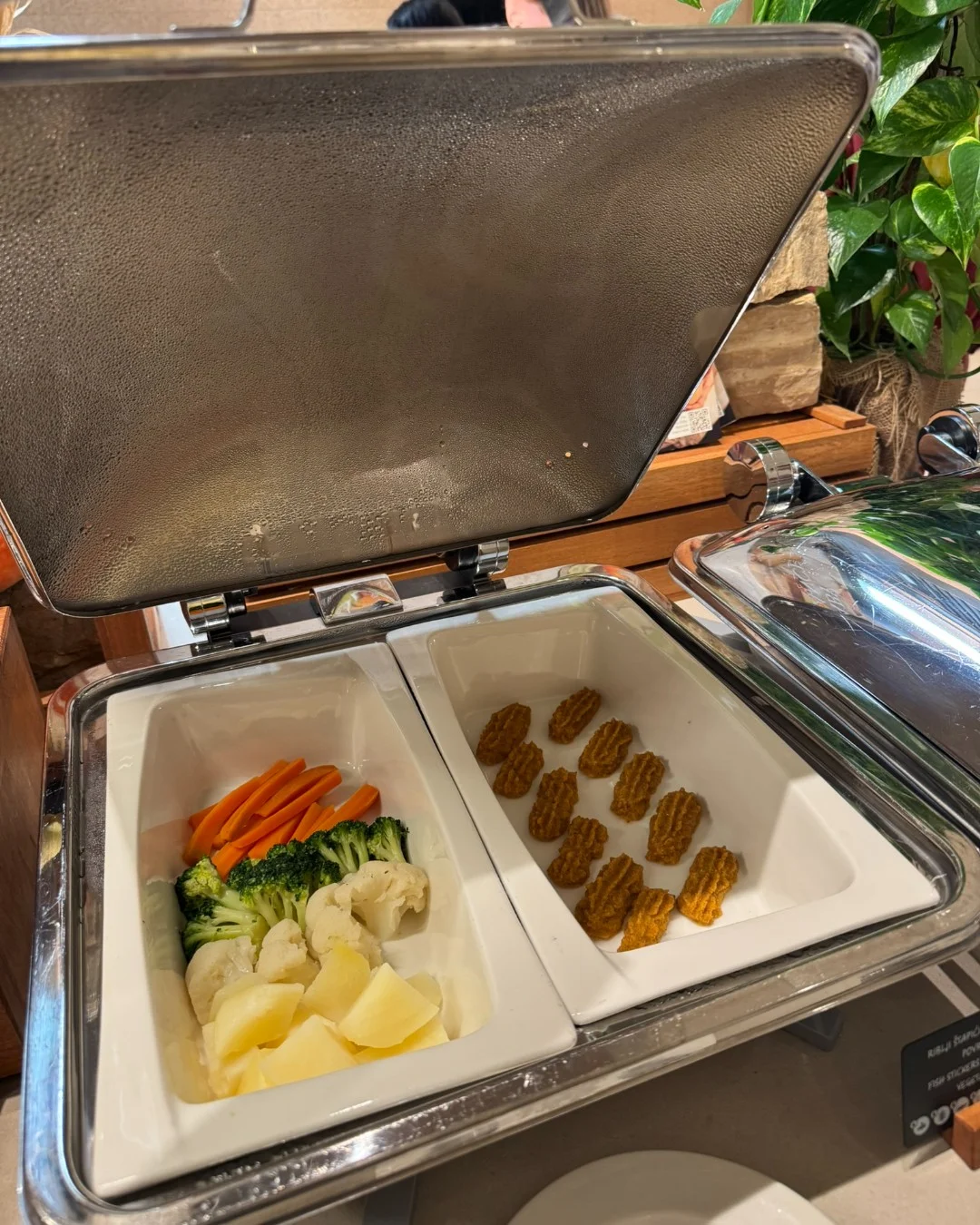
From around six months, babies can be offered smooth or mashed foods, as well as soft pieces they can pick up and explore themselves. As they grow and develop their eating skills, they can gradually try more varied textures, smaller pieces and more complex dishes, moving towards meals similar to those enjoyed by the rest of the family.
Baby Balance also draws on the principles of the BLISS method (Baby-Led Introduction to SolidS), which encourages babies to explore food and feed themselves while ensuring they get enough energy and essential nutrients, particularly iron. It also places a strong emphasis on reducing choking risks. Suitable options might include soft-cooked vegetable sticks or tender patties made with vegetables and grains.
“Purées and self-feeding don’t have to be two separate approaches. They can complement each other, depending on a child’s needs, abilities and experience with food. We want to give parents the flexibility to choose what works best for their baby, while allowing little ones to explore food at their own pace and always keeping their development and safety in mind,” Ivana explains.
Natural Flavours and Clear Allergen Information
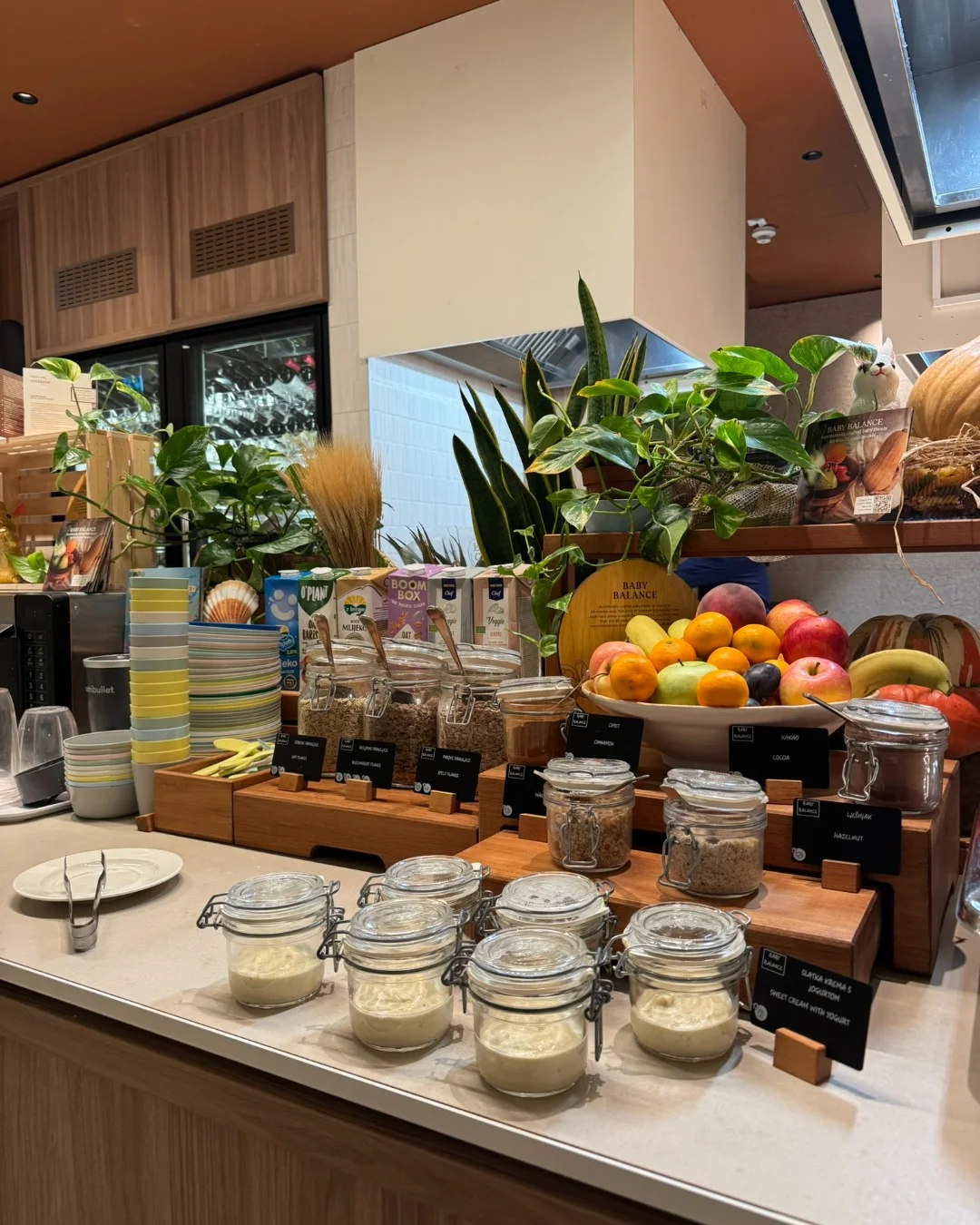
No salt or sugar is added to meals prepared for babies. Baby Balance focuses on fresh, minimally processed ingredients with simple ingredient lists. When ready-made products are used, their labels are carefully checked for added salt, sugar, unnecessary additives and preservatives. The aim is to keep ingredients as simple as possible, rather than treating all additives as harmful.
“We want babies to discover the natural flavours of food from the very beginning, without getting used to overly salty or sweet tastes,” Ivana explains.
Allergen management is another important part of the programme. Ingredient labels and sources are checked carefully, and any substitutions that could affect a meal’s allergen content are monitored. Measures are also in place to reduce the risk of cross-contact during food storage, preparation and serving.
Parents are an important part of this process, too. “Parents know their children best, including which foods they have already tried and how they have responded to them. They can also tell us about any dietary restrictions or known allergies,” Ivana explains.
For children with diagnosed food allergies, it’s especially important for parents to speak directly with the hotel staff. This allows everyone to discuss the child’s individual needs, check the ingredients and clarify any potential risks of cross-contact.
More Relaxed Moments for the Whole Family
When travelling with a baby, mealtimes can take a little extra planning. Knowing that meals are suitable for their child’s age and being able to check ingredients easily can give parents greater peace of mind and leave them free to focus on what matters most: enjoying time together.
After all, family holidays are about the moments you share, even when little ones are too young to remember them. Time spent together helps strengthen family bonds, while a slower pace, realistic expectations and familiar little routines can make travelling with a baby more enjoyable for everyone.
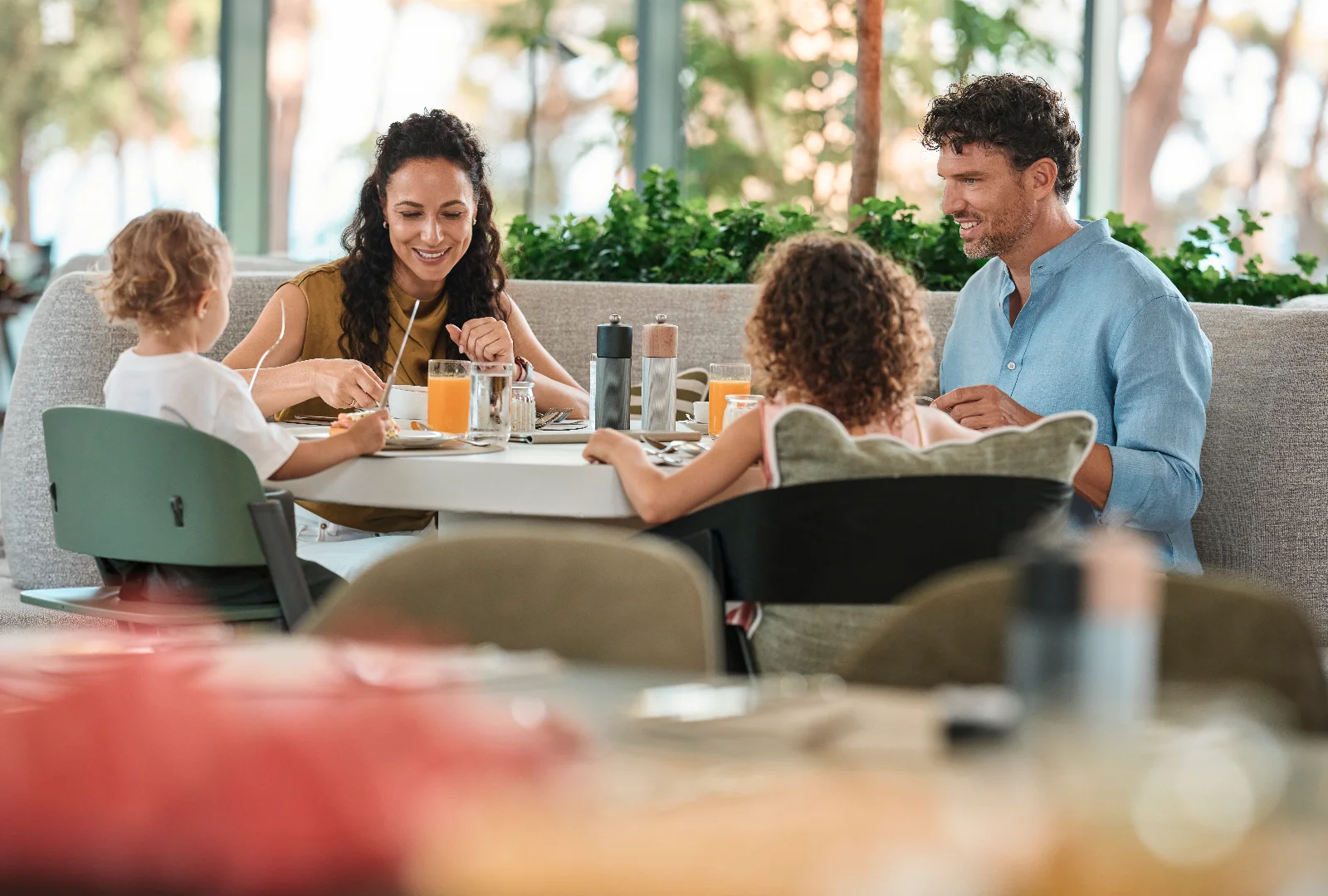
“Feeding young children while travelling can be a source of extra worry for parents, especially when food allergies are involved. With Baby Balance, we want to make choosing meals easier, give parents clear information and take some of the stress out of mealtimes, so they can spend less time worrying about food and more time enjoying their holiday together,” Ivana concludes.