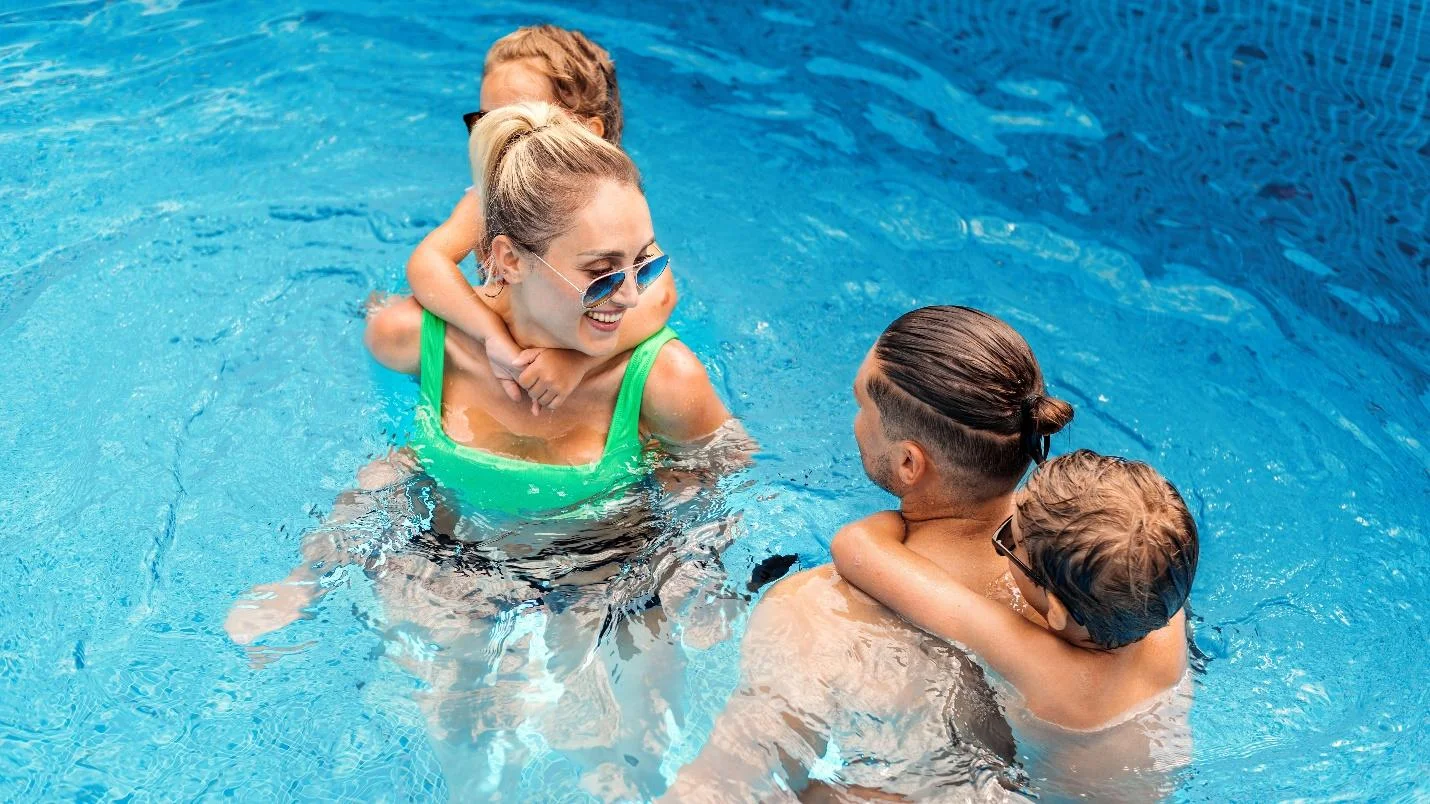



We all long for travel, especially that wonderful feeling of being on holiday, when someone finally takes care of us as parents. But we all know that when children are involved, it doesn’t take long for a moment to arise when all you want to do is relax and enjoy yourself, while your child is having such a meltdown that you find yourself thinking, “Why did we think this was a good idea?!”
I don’t think any parent hasn’t had that thought at least once while travelling. Wouldn’t you agree?
Although moments like these are inevitable when travelling with children, there are things we can do to make them less frequent and turn our holiday into a genuine opportunity to rest and, above all, connect as a family.
What often makes things difficult is expecting children to stop being children just because we’re on holiday. We imagine that picture-perfect Instagram holiday, because in everyone else’s photos and videos, children never seem to have meltdowns. Of course they don’t. And it’s a good thing that we don’t share pictures of our children experiencing their most overwhelming emotions. But it also means we’re comparing ourselves with something that doesn’t really exist.
That’s why I want to show you another, more beautiful side of family travel: how a holiday with children can be calmer, more relaxed and filled with genuine connection. I’ll share a few practical things that can help turn your holiday into a time when both you and your child recharge, rather than another responsibility on your never-ending to-do list.
The secret to a more enjoyable holiday: adjust your expectations
When we adjust our expectations, we feel better. And when we feel better, our children do too, because they pick up on our sense of calm.
Managing expectations is one of the most important strategies in parenting, and travelling is no exception.
Think about it: when do we tend to lose our patience most? Usually when our expectations are much higher than the reality we’re facing. That gap between what we imagined and what’s actually happening is where frustration grows.
If we expect complete peace at every moment, almost as though we weren’t travelling with children at all, imagining ourselves stretched out on a sun lounger, gazing at the sky without being called into the pool five times, it’s easy to return home feeling even more exhausted than when we left.
The same applies to parenting in general: the higher our expectations, the harder things become. If we expect lunch to pass without a single meltdown, to drink our coffee without interruptions or for bedtime to happen exactly on schedule, we’re setting ourselves up for disappointment. And holidays are no different.
That’s why it can help to have a few reassuring phrases ready before an activity, such as lunch at the hotel, or even while it’s happening:
- “OK, bedtime was a little later than usual; he’s tired, so he might be a bit grumpy.”
- “I can handle this. I’m here to help him.”
- “I’m the adult. He’s just a child.”
- “If we need to, we’ll step away from the crowd for a little while so he can calm down, then come back to the table.”
And remind yourself that all of this is perfectly normal:
- It’s normal for children to misbehave sometimes.
- It’s normal for them to have meltdowns.
- It’s normal for them to struggle with waiting.
- It’s normal for them to ask thirty-five times when we’re going to the pool, just as I’m trying to enjoy a peaceful cup of coffee (don’t ask me how I know).
And when your child does have an emotional outburst or refuses to listen, remind yourself: “This is just one moment, and it will pass.”
Why is that so important?
Because in the middle of it, it can feel as though it’s lasting forever, as though this one difficult moment defines the entire holiday. But it doesn’t.
The very next moment, we might find ourselves feeling like the proudest parents in the world, looking at the sweetest child imaginable.
By calming ourselves, we also help our children calm down. Our reactions change, and everything becomes a little easier.
The importance of slowing down
Simply by adjusting our expectations and supporting ourselves with these reassuring phrases, which we could even call affirmations, we become more present in the moment with our children.
We can truly see them and respond with greater patience. Instead of reacting emotionally or feeling constantly tense, we begin to slow down.
And when I talk about slowing down, I also mean paying attention to our children’s needs, even while we’re on holiday.
Of course, we don’t have to follow our usual routine too strictly, but things are much easier when children have had enough sleep and their afternoon nap isn’t delayed too much, if they’re still at the age when they need one.
One of the wonderful things about Pical Resort 5* is that food is always within easy reach. At Pical Family Hotel, the all-inclusive offering includes both main meals and food in between.
This means that if your child isn’t in the mood to eat during a main meal, you can easily head to the restaurant later and offer them something fresh, nutritious and delicious.
There’s also an area next to the playroom where you can sit in the café while your child plays, enjoy an ice cream or have a coffee. That way, everyone gets a little something they enjoy.

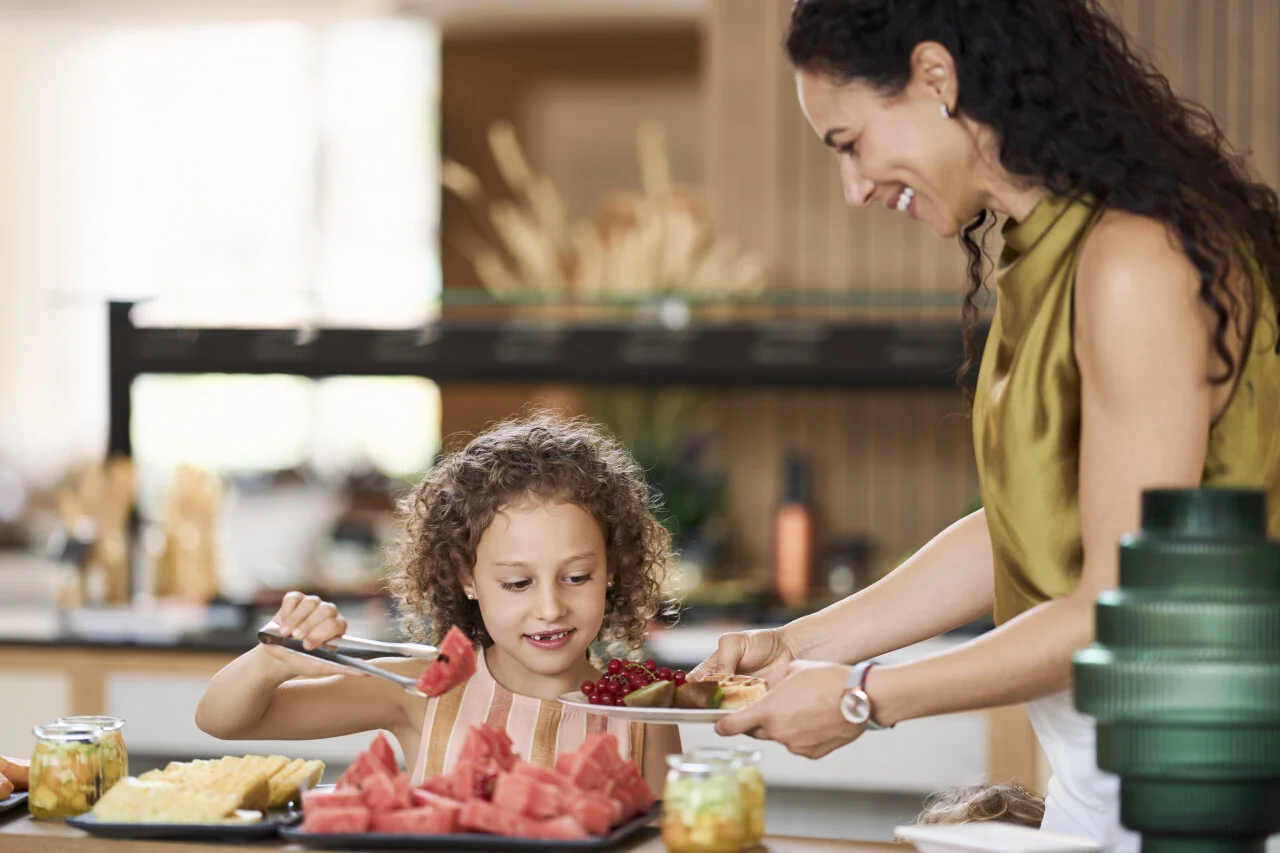

Transitions between activities can be particularly challenging for children, especially when every change comes from the parents: “Now we’re going to the pool.” “Time to get out.” “Let’s go back to the room.” “Now it’s lunchtime.” “Sit down and eat.” “Time for the playroom.” “Now we’re going for a walk.”
For almost the entire day, children are following our instructions.
And that’s OK. We’re not going to let our children plan the entire day themselves. But what we can do is approach them gently, slow down our speech, soften our tone of voice, get down to their level and say: “We’re finishing our game now and heading back to the room. Then we’ll get changed for lunch.”
Pause for a moment to give your child time to process what you’ve said, and only then begin the transition. Sometimes, slowing down for just a moment, offering a gentle touch and making eye contact can save us minutes, or even hours, of frustration and emotional outbursts later on.
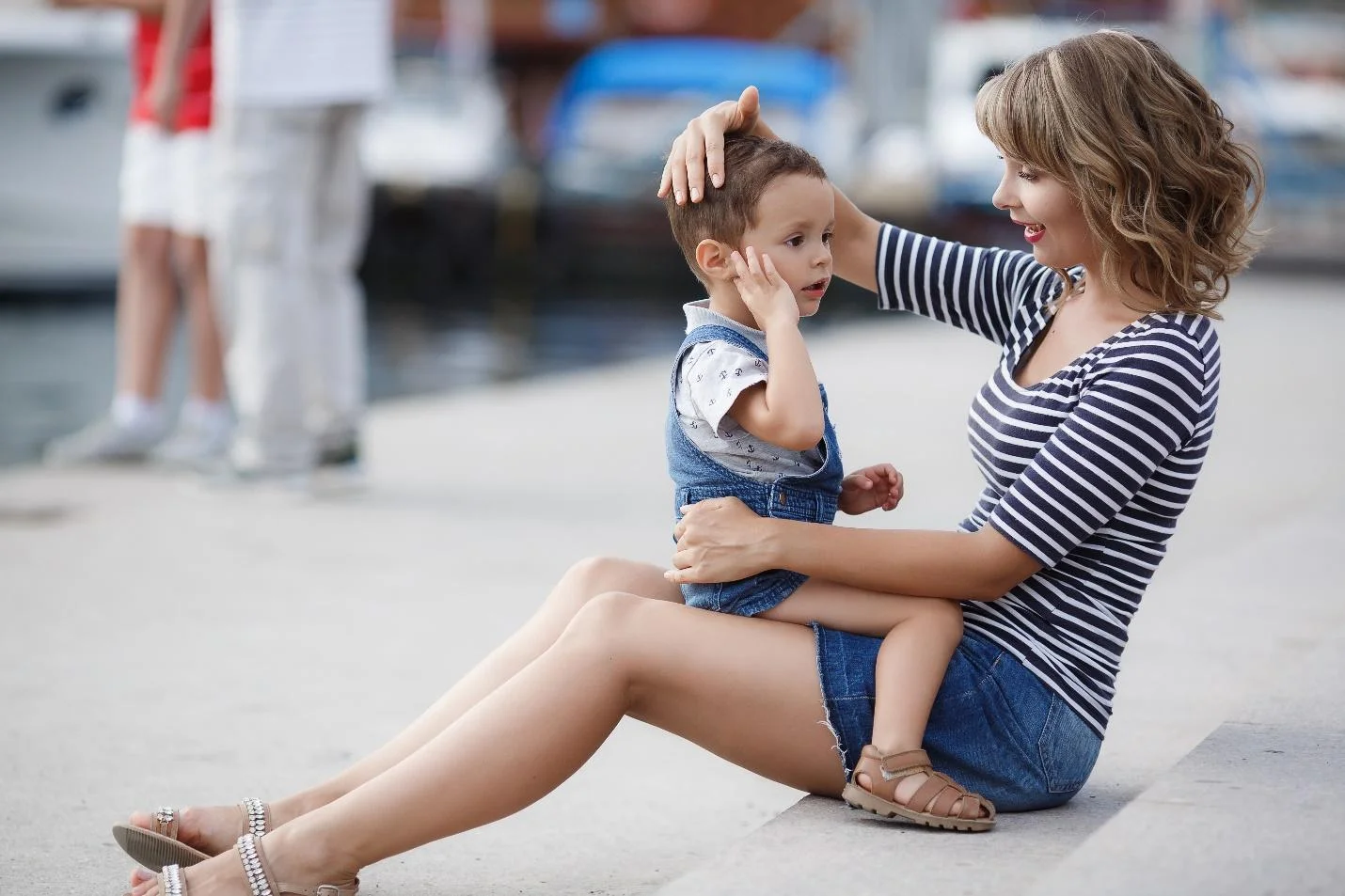
When children know what comes next and their day feels predictable, they experience a greater sense of independence and security. After all, familiarity feels safe.
That’s why it’s helpful to talk about your plans in advance. “Now we’re going to get dressed and have breakfast.”
Then, during breakfast: “We’re nearly finished. After breakfast, we’ll go back to the room, put on our swimming costumes and head to the pool.”
The older your child is, the more upcoming activities you can explain at once. For younger children, it’s better to mention just one or two things at a time. Once one activity is complete, remind them of the next one and introduce another.
Sometimes you’ll feel like a parrot, repeating yourself endlessly. It might even seem unnecessary, but it really does help children feel calmer and adapt more easily.
Many parents say that this simple approach has significantly reduced their children’s resistance to changes in plans. Overloading the itinerary and pushing children beyond their limits when they’re already tired can leave everyone feeling irritable.
That’s why slowing down matters. Get down to your child’s level, pause and notice whether they’re tired or overwhelmed by everything happening around them.
Sometimes, just five minutes away from the activity, spent reconnecting with your child, can make all the difference for the next few hours. It’s important to remember that the most valuable part of a holiday isn’t how many activities we manage to squeeze in or whether we tick everything off our list.
What matters more is how we feel while we’re experiencing those moments together.
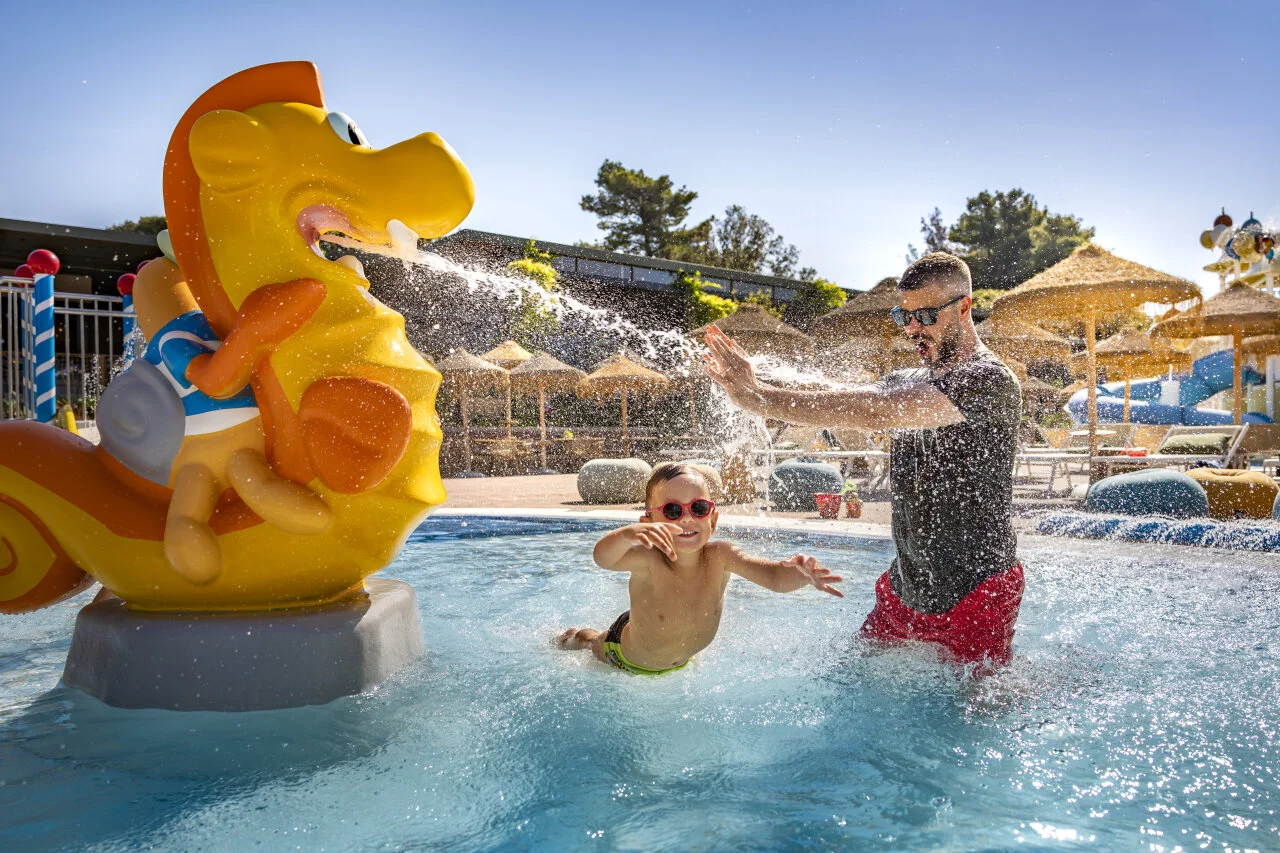
Small rituals that help us reconnect
Just as it’s important to maintain some familiar routines from home to help children feel secure, it’s equally valuable to create little holiday rituals that bring us back to ourselves.
Being on holiday means experiencing a new environment full of interesting sights, sounds and activities. While this stimulation can be wonderful for children, it can sometimes become overwhelming without those small moments of familiarity and calm.
One simple ritual might be talking together in the evening about our favourite part of the day and what we’re looking forward to tomorrow. Or perhaps taking a walk by the sea every day.
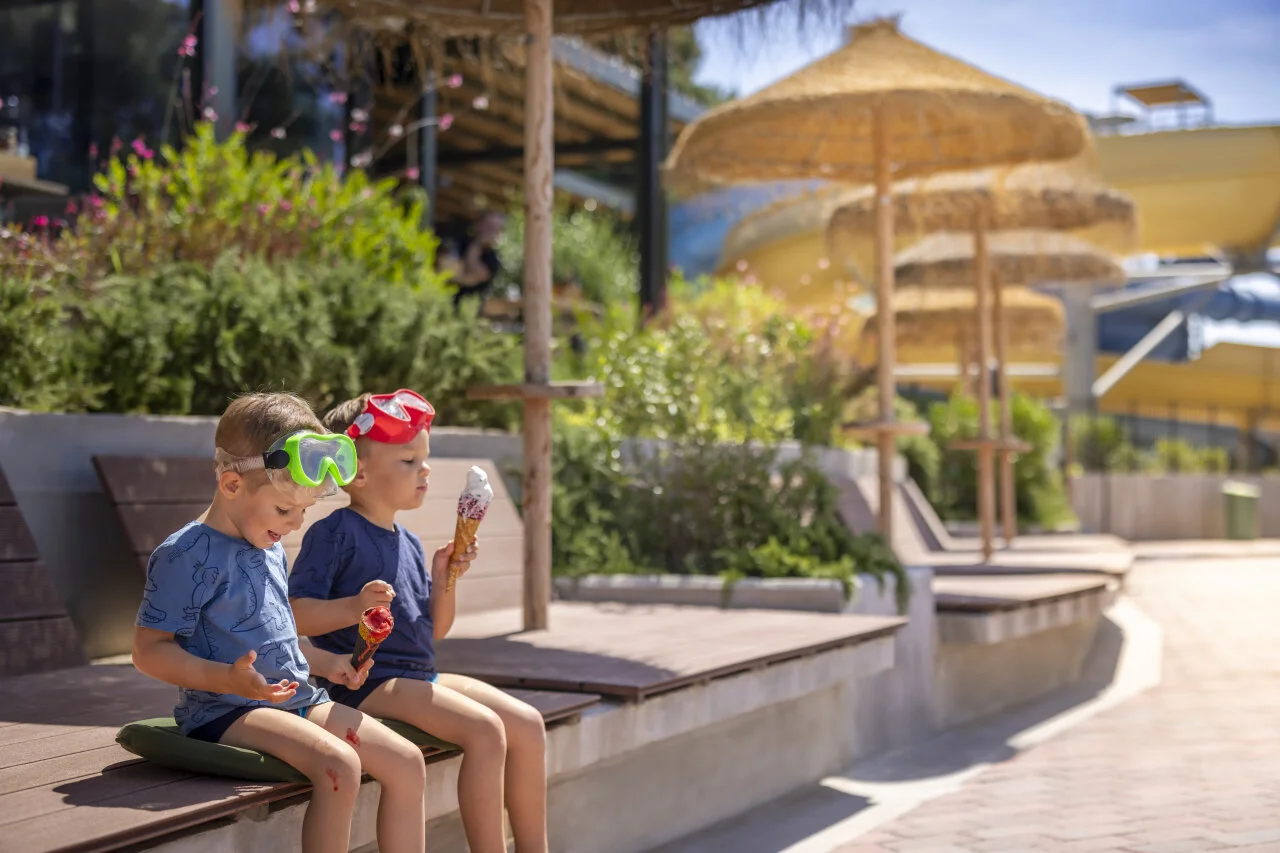
There are so many ways to create these special little traditions. A morning ritual could mean stepping outside before breakfast to say hello to the sea. Another might become something that’s uniquely yours on that particular holiday, such as enjoying an ice cream every evening or watching the sunset from the same bench.
For younger children, keeping certain bedtime routines or singing a favourite lullaby can be especially comforting. Familiarity in an unfamiliar environment helps them feel safe. But we don’t need to become slaves to our routines.
If we maintain a few familiar habits from home and give each day a gentle structure, while explaining what comes next, that’s more than enough. After all, we’re not at home, and it’s perfectly fine for our days to look different.
The key is to pay attention to our children and adapt whenever needed.
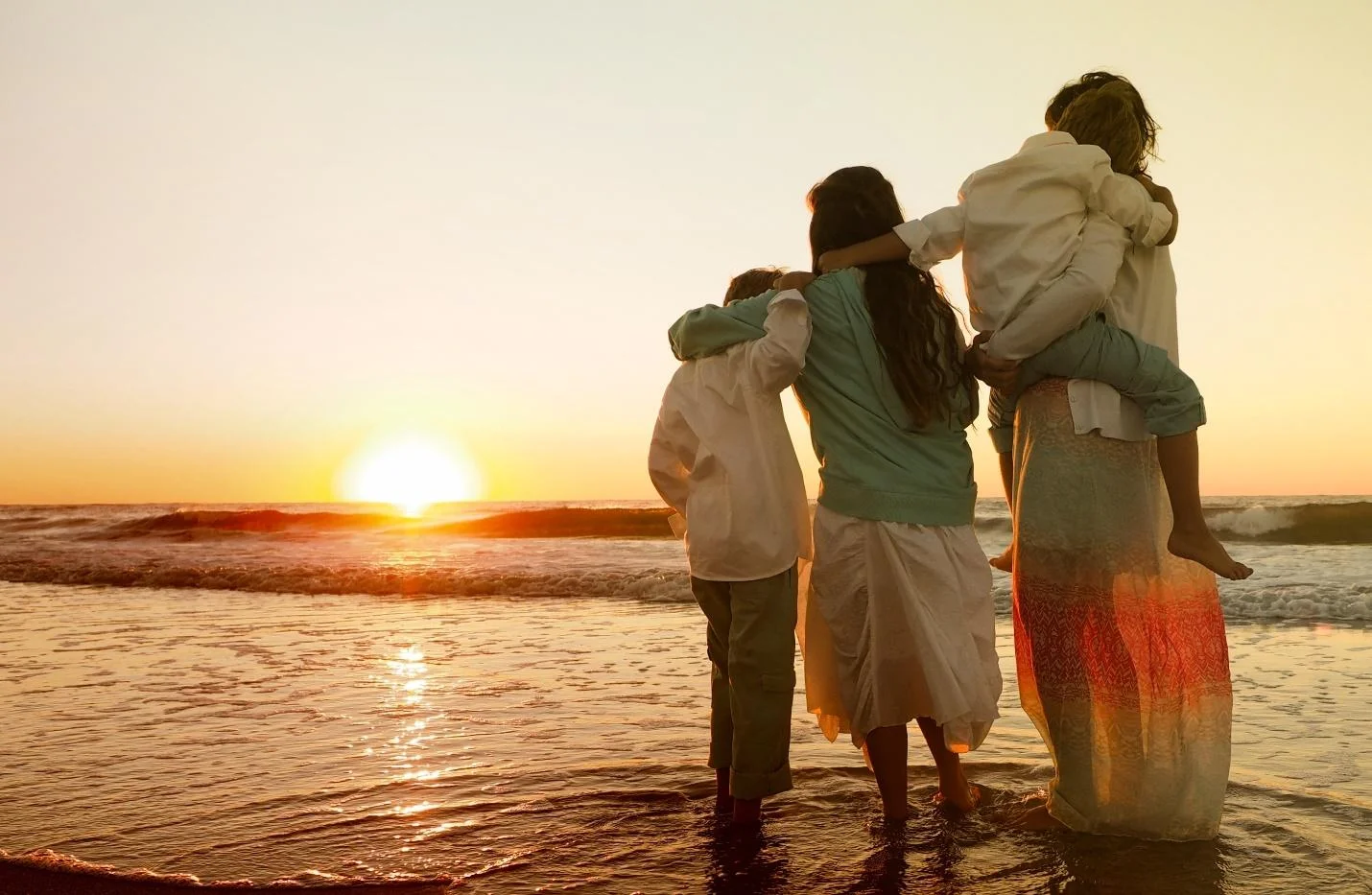
What children really remember
Children don’t remember how many activities they took part in. They remember how those experiences made them feel, whether they felt seen, understood and safe. And when children feel that way, things become easier for us as parents too. That’s when we create experiences that stay with them for a lifetime. Perhaps not as conscious memories if they’re very young, but as a lasting, subconscious sense of security and connection.
And those memories don’t have to end when the holiday does. Once we’re back home, we can keep them alive together by looking through photographs, talking about our favourite moments or continuing a little ritual that began during the trip.
All of this helps children feel a sense of togetherness and belonging. A young child might not remember the exact place you visited, but they’ll carry with them the feeling of having been seen, safe and loved. And it’s precisely that feeling that shapes their relationship with us and the world around them long after the suitcases have been unpacked.
A family holiday at Pical Resort 5* is designed with exactly this in mind: a place where parents can leave the everyday planning and practicalities behind, even if only for a few days, and simply be present.
More time for family, more slow and meaningful moments throughout the day, and more time for yourself, while someone else takes care of the details. Because sometimes, what parents need most is simply to have someone take care of them for a change.
And it’s these peaceful, mindful moments that create something truly precious: a holiday that becomes a genuine opportunity to connect and make memories that last.