


The Croatian Adriatic is a wonderful destination for food lovers. Its cuisine reflects centuries of local traditions and cultural influences, bringing together fresh seafood, seasonal ingredients, aromatic herbs, homemade pasta and some of the finest olive oils and wines.
But the flavours of the Adriatic are far from the same everywhere. From truffles and handmade pasta in Istria to fresh Kvarner scampi, hearty Dalmatian specialities and oysters from the waters of Mali Ston Bay, each region has something of its own to offer.
To help you discover the best of local cuisine, we’ve picked 10 traditional Croatian specialities you should try on your next trip along the coast. So bring your appetite and get ready to explore!
Istria – Where Tradition Meets Exceptional Ingredients
Istrian cuisine reflects the richness and diversity of the whole peninsula, bringing together the culinary traditions of the coast and the inland. It is best known for homemade pasta, truffles, cured and cooked meat specialities such as Istrian prosciutto and boškarin beef, as well as fresh fish and seafood. Quality olive oil and wines have a special place in the local gastronomy, rounding off this varied story.
1. Žgvacet with Fuži
A popular Istrian farmhouse dish, žgvacet is often compared to goulash, but there is one key difference in the way it is prepared. While goulash usually starts with onions and vegetables, žgvacet starts with the meat, followed by onions and vegetables. Traditionally, it is made with locally raised hen, although chicken is also commonly used today. It is slowly cooked until the meat is tender and the sauce is rich and full of flavour.
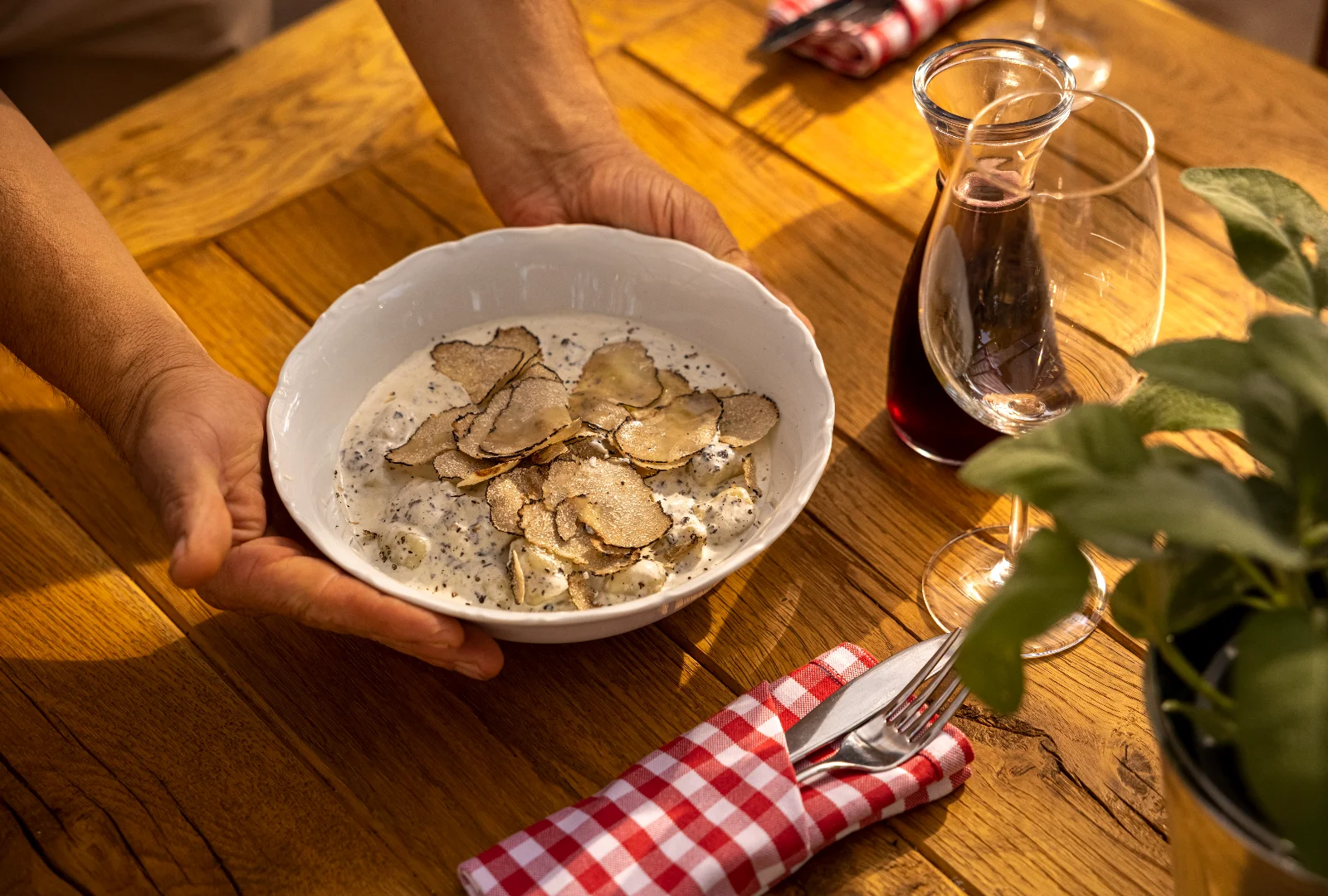
It is traditionally served with fuži, a homemade Istrian pasta shaped by hand from small squares of dough. Their texture makes them perfect for soaking up the delicious sauce. If you’d like to try making this local favourite, take a look at how traditional Istrian pasta is made and served with truffles.

2. Istrian Truffles
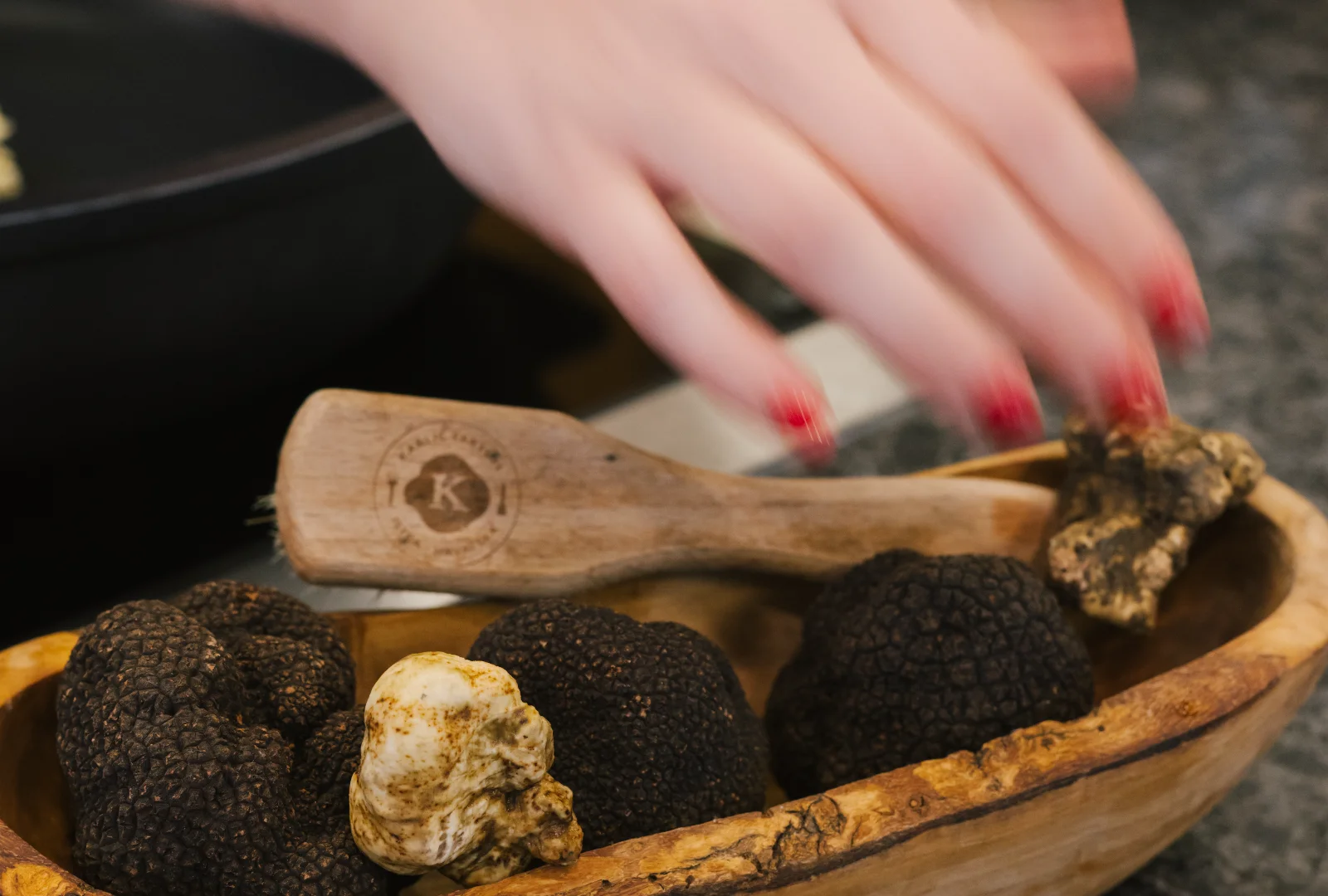
Istria is famous for its truffles, prized underground fungi found in the forests of the peninsula’s inland. Both black and white truffles are among the region’s best-known gourmet specialities, loved for their distinctive aroma and rich flavour.
They are often shaved over homemade fuži and other pasta, served with eggs in the classic Istrian fritaja (omelette), or added to meat dishes, cheeses, spreads and even desserts.
But why just taste truffles when you can experience how they are found? For a memorable day in the Istrian countryside, visit Karlić Tartufi near Buzet and discover the tradition of truffle hunting. Follow specially trained dogs through the forest, learn more about this prized ingredient and enjoy a tasting of truffle specialities. You can read more about it in our guide to Istria as a truffle destination.
Kvarner – Flavours of the Coast and Islands
Kvarner brings together the mainland coast and islands such as Krk, Rab and Cres, and its cuisine is built on everything the sea and the island pastures have to offer. Menus feature fresh fish, Kvarner scampi and shellfish, as well as lamb from Cres and Rab, island cheeses, honey and olive oil. Many of these specialities are prepared according to recipes passed down through generations.
3. Kvarner Scampi
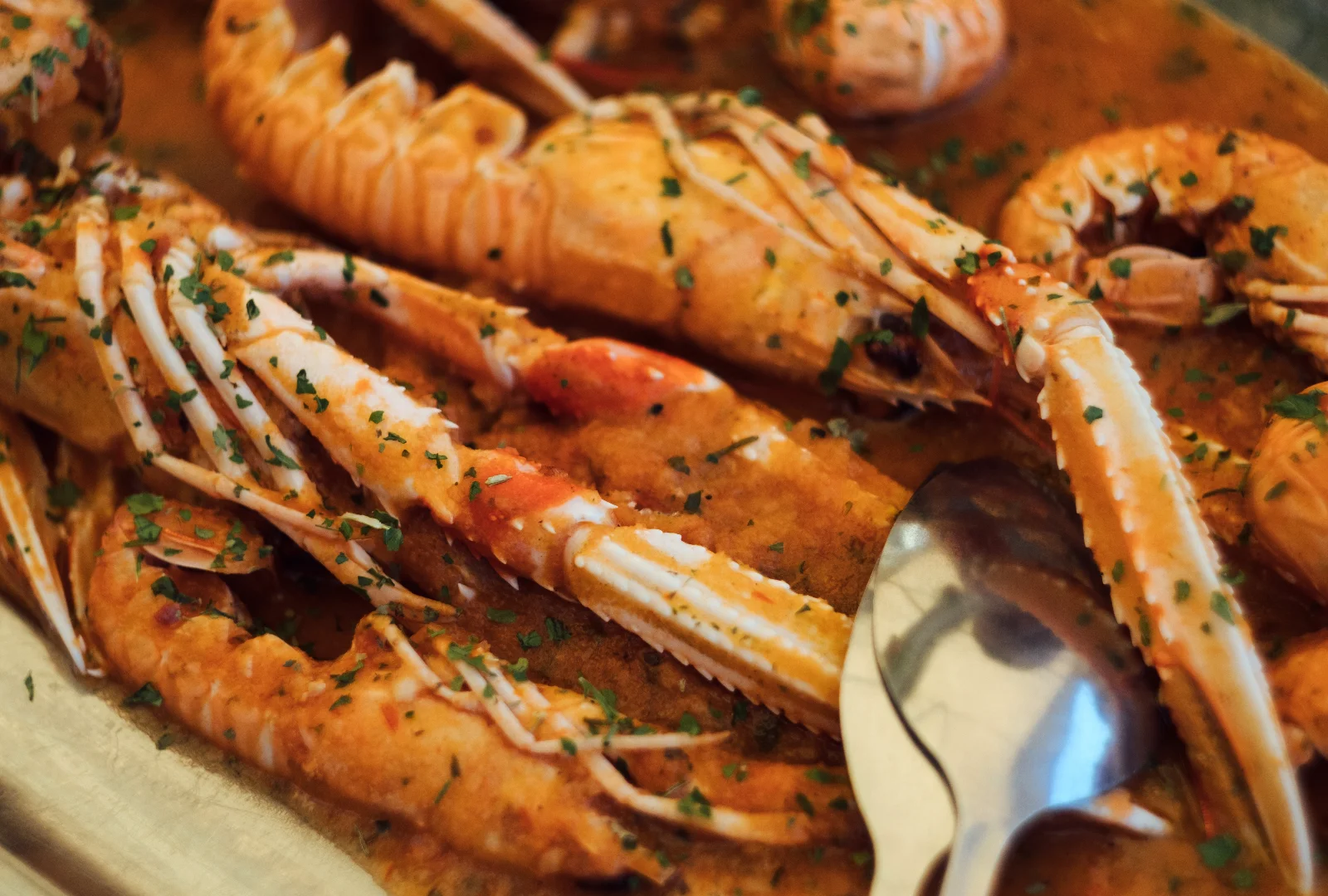
Kvarner scampi are among the region’s most celebrated culinary treasures and a particularly prized delicacy of Adriatic cuisine. They are recognisable by their thin, light red shell and delicate, juicy flesh with a mildly sweet flavour. Their quality and distinctive taste are linked to the specific habitat of the Kvarner Bay.
One of the most popular ways to prepare them is buzara, a traditional dish in which scampi are briefly simmered in olive oil with garlic, parsley and white wine. Depending on the recipe, they can be prepared na bijelo (white), without tomatoes, or na crveno (red), with tomatoes. Kvarner scampi are also delicious grilled, in risottos or served with homemade pasta, such as šurlice, a traditional handmade pasta from the island of Krk.
Whatever the preparation, the key is to preserve their natural flavour, which has made Kvarner scampi a much-loved speciality of local cuisine.
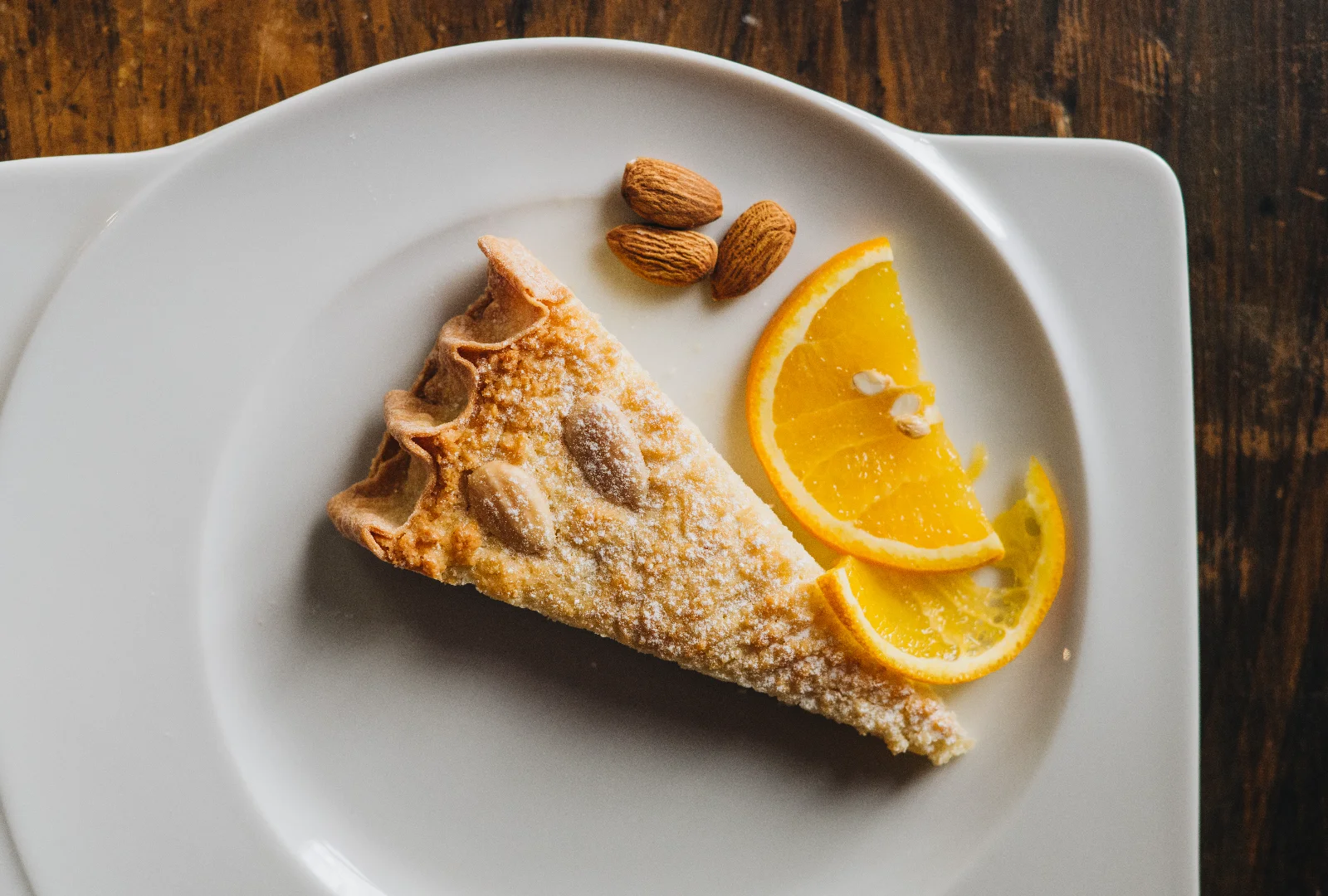
4. Rab Cake
Rab cake, or Rapska torta, is one of the island of Rab’s best-known traditional desserts. According to local tradition, it was first prepared in 1177 in honour of Pope Alexander III during his visit to the island. Over the centuries, it has become an important part of Rab’s culinary and cultural heritage, traditionally served on special occasions.
Recognisable by its distinctive spiral shape, it features a rich filling of finely ground almonds, lemon zest and maraschino liqueur. Its recipe has been passed down through generations, while shaping the characteristic spiral takes particular skill.
To discover more about its history and traditional preparation, visit Kuća Rapske torte (House of Rab Cake) or read our story about Rab cake and its traditional recipe.
Dalmatia – Traditional Flavours and Local Specialities
Dalmatian cuisine is built on simple dishes made from fresh, local ingredients and on recipes passed down from generation to generation. Alongside fish and seafood, its culinary tradition is also defined by meat dishes, slow-cooked stews and a variety of specialities typical of individual areas and islands.
5. Dalmatian Pašticada with Gnocchi
Ask anyone in Dalmatia about their favourite traditional dish, and pašticada with gnocchi is likely to be high on the list. This much-loved speciality is made with beef that is marinated in vinegar and wine, then slowly cooked with vegetables, herbs, prunes, red wine and often prošek, the sweet dessert wine of Dalmatia. The result is wonderfully tender meat in a dark, rich, sweet-and-sour sauce.
Every family has its own recipe, often passed down through generations, but one thing is almost always the same: pašticada is served with homemade potato gnocchi, which soak up all that sauce. Traditionally prepared for family gatherings and special occasions, it is more than just a meal. It is a true taste of Dalmatian home cooking.

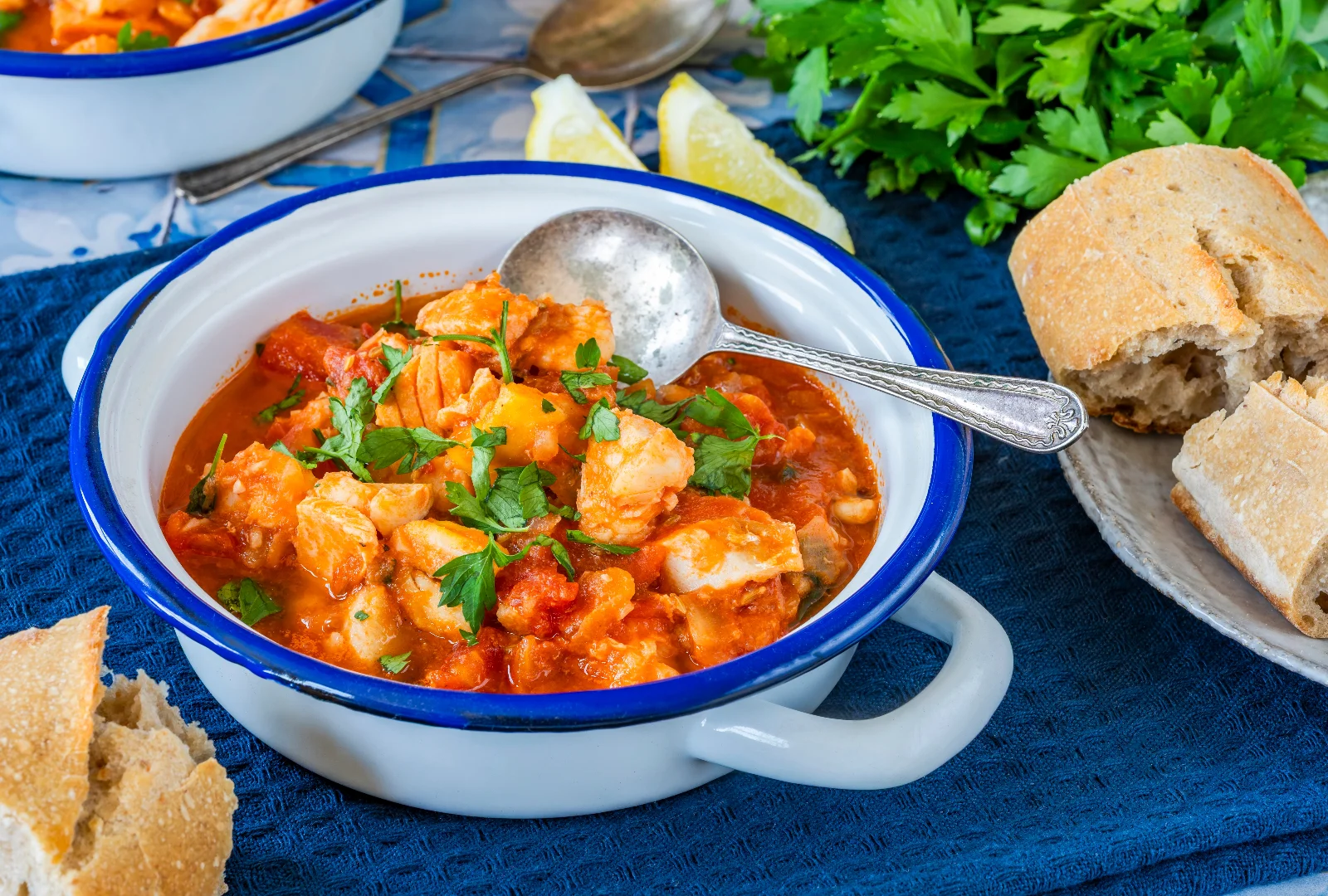
6. Brudet – Traditional Fish Stew
Brudet, also known as brodet, is one of the best-loved fish dishes on the Adriatic. It is made with several types of fish, sometimes with squid, octopus or cuttlefish added. The fish is slowly cooked with onions, olive oil, wine and tomatoes, and a little vinegar gives the dish its characteristic sweet-and-sour note.
As it cooks, the fish gives the sauce a rich flavour, and brudet is most often served with polenta. Add a piece of homemade bread and enjoy it without a thought for calories, because dishes like this are not for every day!
Like many other Adriatic dishes, brudet varies from place to place. Every region, and even every family, has its own version, shaped by local ingredients and customs.
7. Peka – Food Made Under the Bell
Few traditional dishes bring people together quite like peka. Popular in Dalmatia and across Croatia, this slow-cooked speciality is prepared under a bell-shaped lid placed over hot embers.
Lamb, veal, chicken or octopus can all be cooked this way, usually together with potatoes, vegetables, herbs and spices. Slowly cooked under the bell, the ingredients release their juices and flavours, resulting in tender meat, soft vegetables and a rich, aromatic sauce.
Peka takes time and patience, but it is well worth the wait. It is best enjoyed in a traditional Dalmatian konoba, and since it takes several hours to prepare, remember to order it in advance.

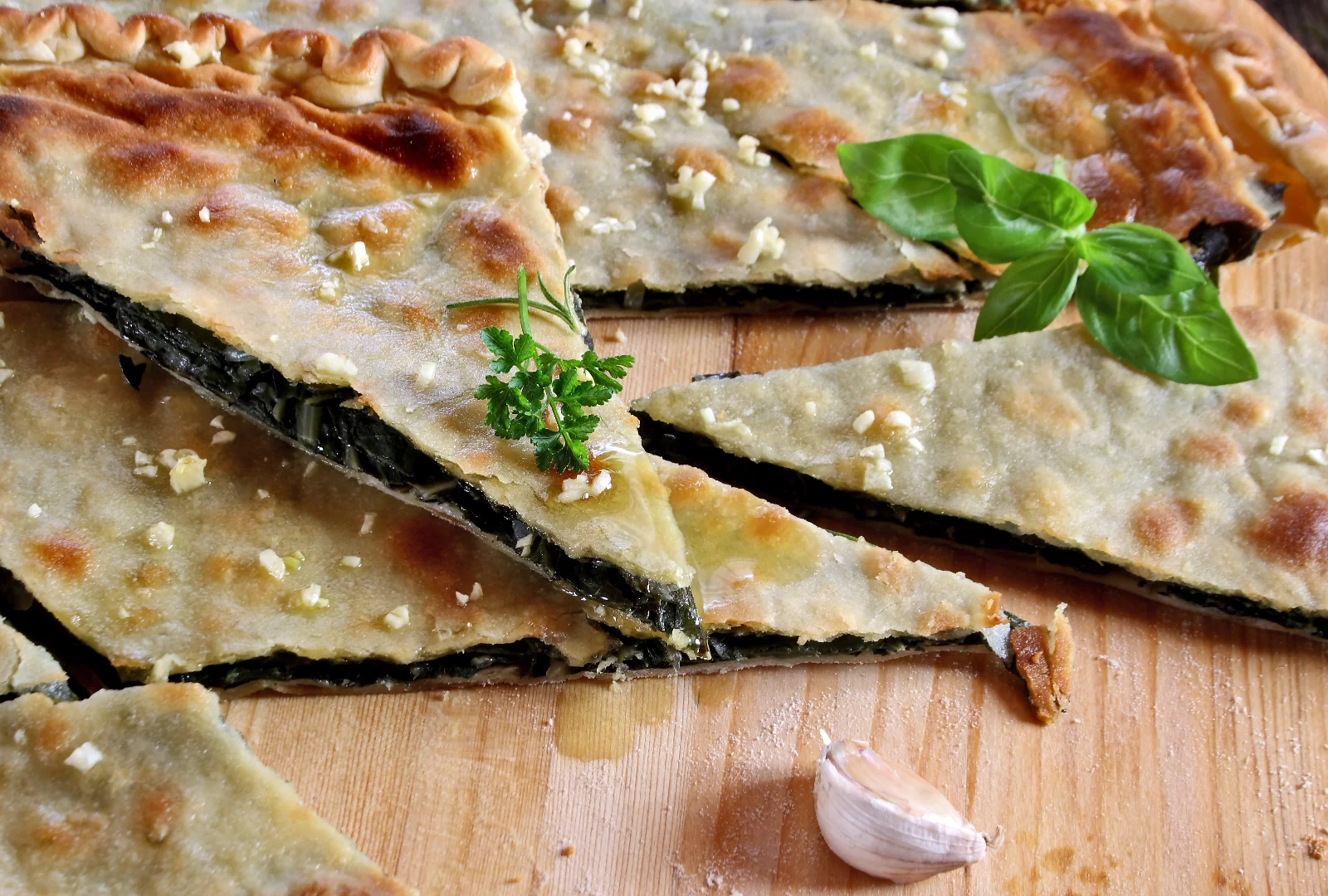
8. Soparnik – Dalmatian Swiss Chard Pie
Soparnik is a traditional dish from the Poljica region near Omiš. It is a savoury pie made with thin dough and filled with Swiss chard and onion. It is baked on an open hearth, known as komin, over hot embers covered with ash.
Once baked, it is brushed with olive oil and garlic, which give it an extra layer of flavour. Although made with simple, everyday ingredients, soparnik holds a special place in Dalmatian cuisine.
The tradition of making soparnik is recognised as part of Croatia’s intangible cultural heritage, while Poljički soparnik also holds EU Protected Geographical Indication (PGI) status, confirming its connection to the Poljica region and its traditional method of preparation. If you come across it on your travels along the Dalmatian coast, it is definitely worth trying.
Dubrovnik & Southern Dalmatia – A Taste of the South
The southern Adriatic has its own culinary character, from the famous shellfish of Mali Ston Bay to traditional desserts that have been part of Dubrovnik’s tables for centuries.
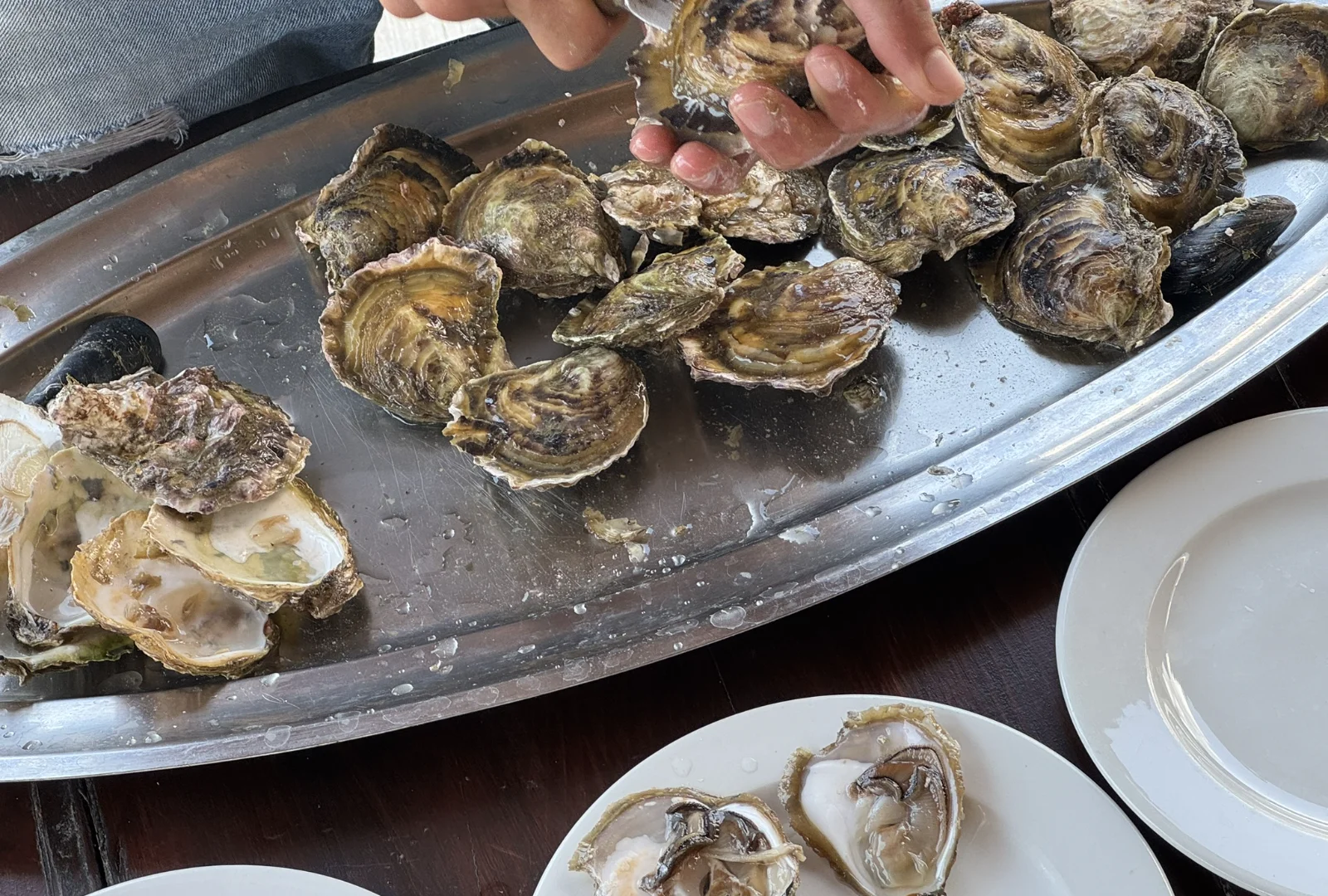
9. Ston Oysters from Mali Ston Bay
Mali Ston Bay, on the Pelješac peninsula, is known for its shellfish, especially oysters and mussels. The meeting of fresh and salt water creates ideal conditions for shellfish farming, a tradition passed down through generations. Today, Mali Ston oysters are among Croatia’s best-known seafood specialities.
They are best enjoyed fresh, with just a little lemon juice to bring out their natural flavour. Mussels and other shellfish are also local favourites, often prepared buzara-style with garlic, parsley, olive oil and wine.
To experience the true flavours of the region, visit where it all begins. Read about oyster tasting in Mali Ston in our article, or turn your visit into a culinary excursion with the wine and oyster tasting tour on the Pelješac peninsula.
10. Dubrovnik Rožata – Traditional Custard Dessert
Dubrovnik is also known for its sweet specialities. Traditional treats include arancini, candied bitter orange peel made from oranges that grow in the city’s gardens, kontonjata, a sweet quince paste, and warm fritule, which are especially popular in winter. But one dessert has a particularly special place on Dubrovnik’s tables: rožata.
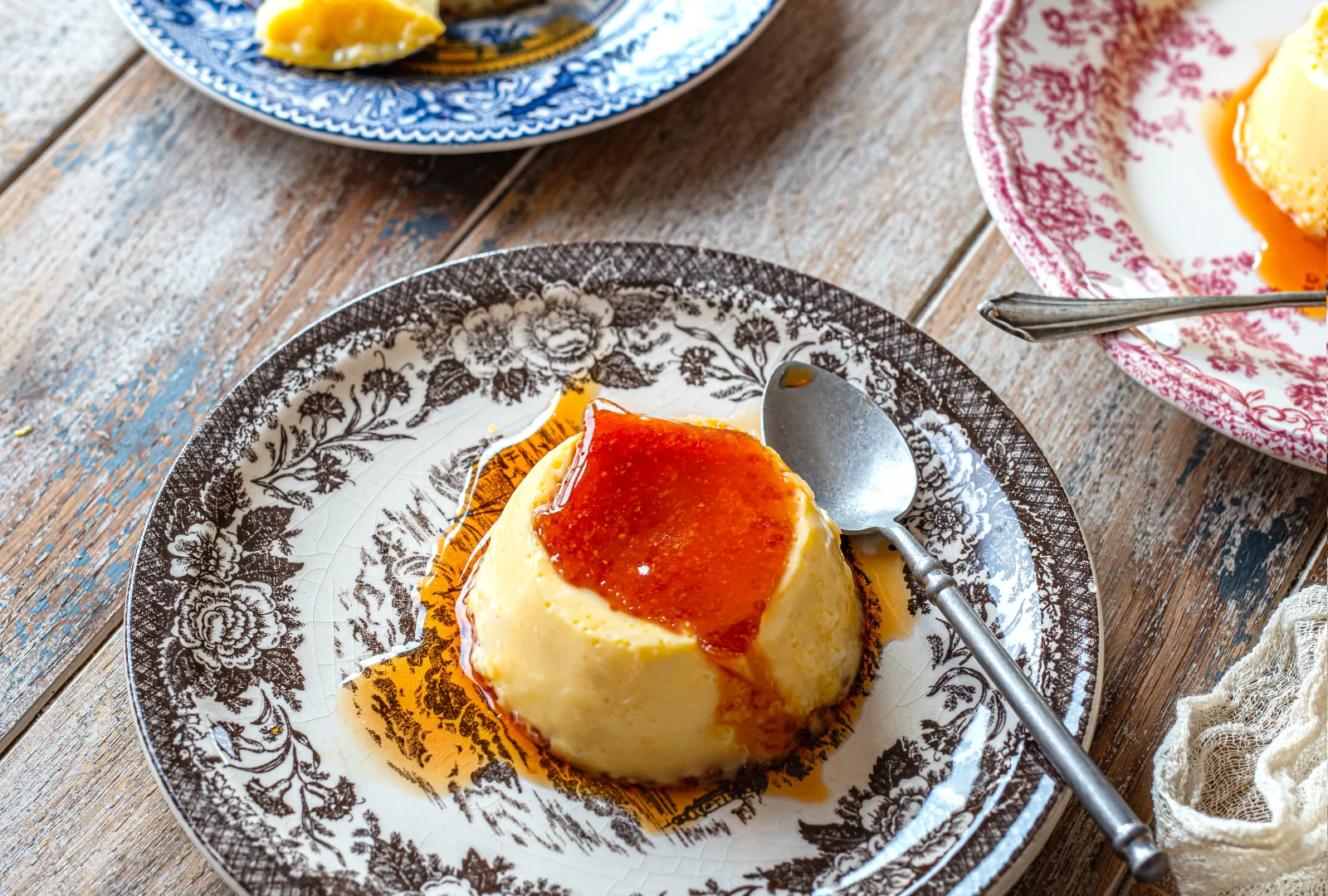
This delicate dessert made with eggs, milk and sugar is similar to crème caramel or flan, and is served topped with rich caramel. What makes it special is the subtle aroma of rose liqueur, from which it takes its name. Creamy, delicate and gently fragrant, rožata is the perfect sweet ending to a traditional Dalmatian meal and another reminder of Dubrovnik’s rich culinary heritage.
Croatian Wines and Olive Oils: A Taste of Local Tradition
No culinary journey along the Croatian coast is complete without a glass of local wine and a few drops of quality extra virgin olive oil. Both are an important part of Adriatic food culture, with each region offering its own distinctive varieties, flavours and traditions.
Istria is particularly known for Malvasia, a fresh and aromatic white wine, and Teran, an indigenous red variety with a distinctive character. You can sample both at wine tastings in Istrian wineries and cellars, or discover the story behind Damjanić wines and their family-run winery.
As you continue towards Kvarner, be sure to try Žlahtina, a light and refreshing white wine from the Vrbnik area on the island of Krk. Dalmatia, meanwhile, offers a variety of indigenous wines, including the full-bodied red Plavac Mali, Pošip from Korčula and aromatic Vugava from the island of Vis.

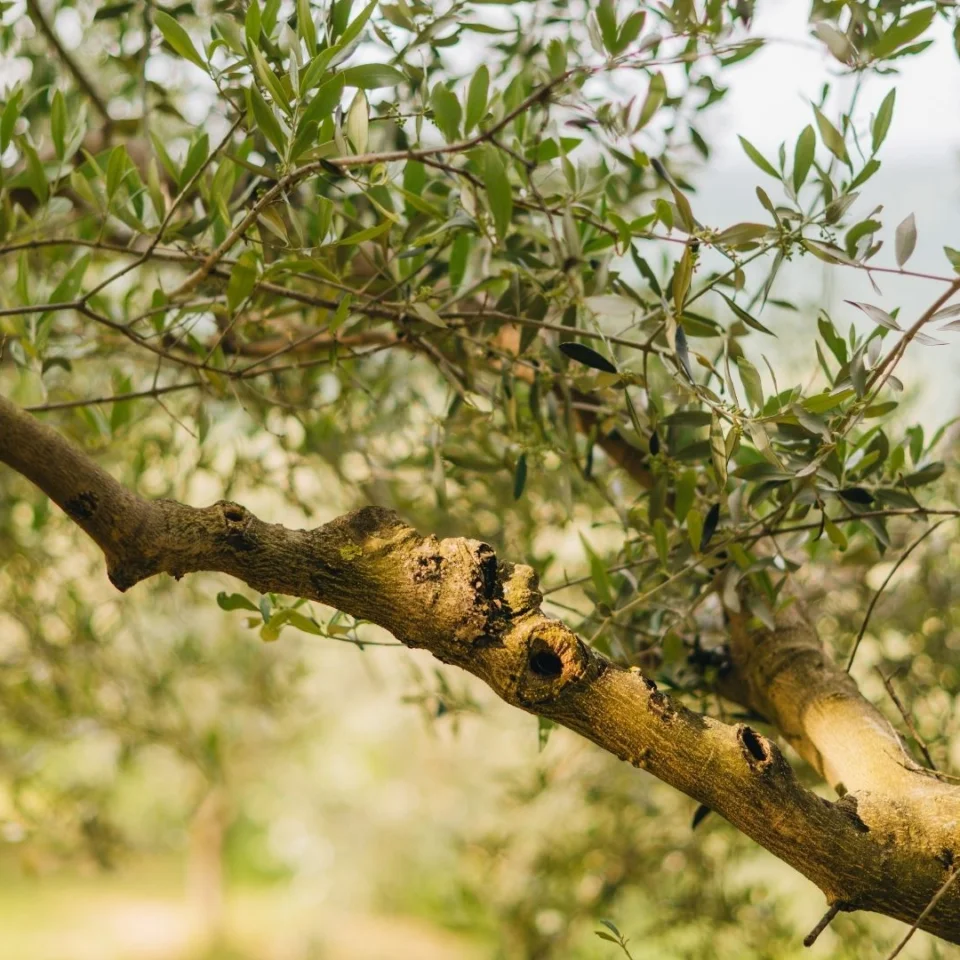
Olive oil is just as important to Adriatic tradition. From Istria to the Dalmatian islands, olive growing has a long history, and local producers continue to make high-quality extra virgin olive oils. Each region has its own characteristics, and tasting local olive oil is one of the best ways to experience its culinary traditions.
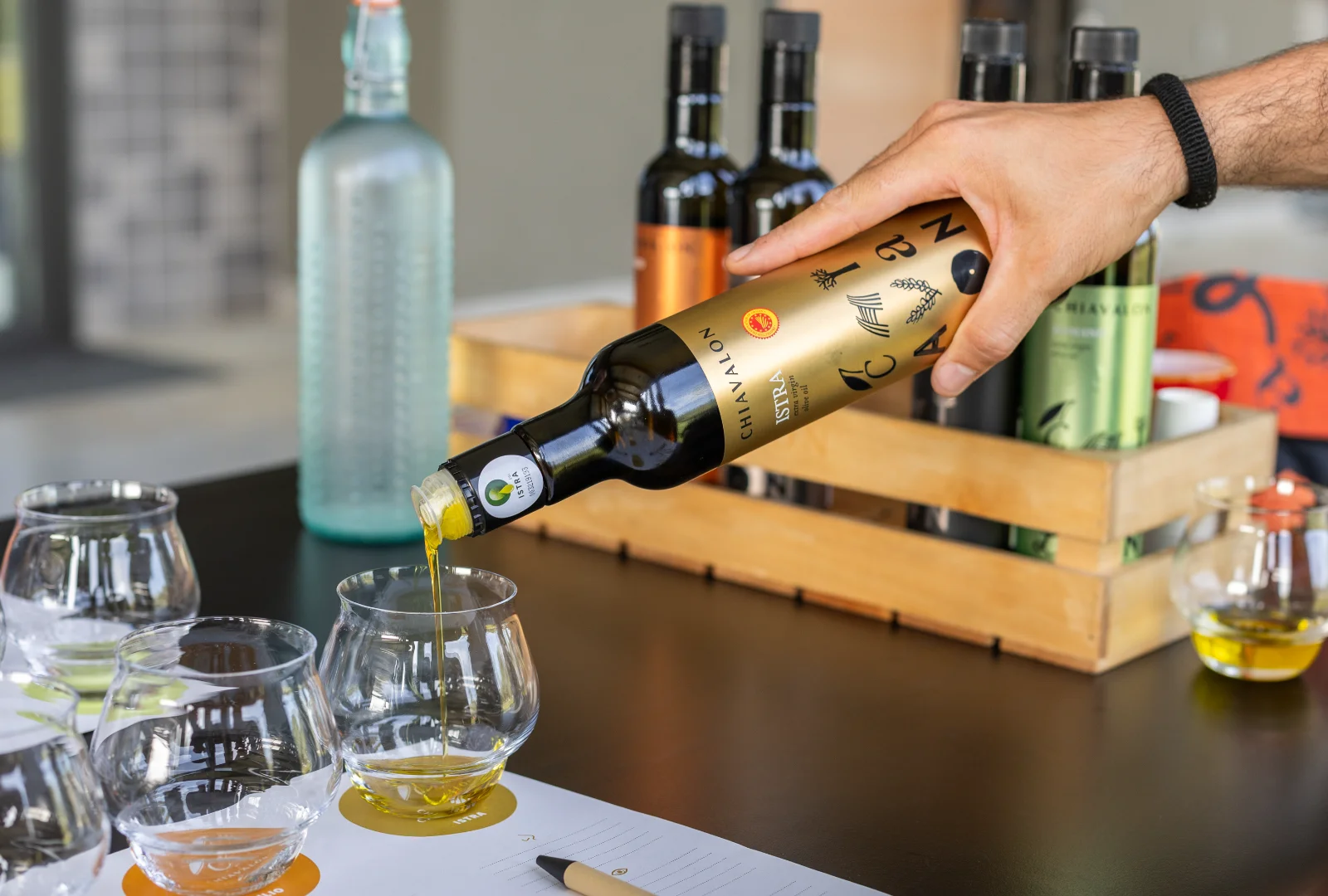
To discover more about Istrian olive growing, find out what to expect from an olive oil tasting in an Istrian olive grove, or visit the Chiavalon family estate to learn more about olive oil production and sample their award-winning oils.
Discover the Flavours of the Adriatic
Croatian Adriatic gastronomy is as diverse as its regions, shaped by local ingredients, traditional recipes and generations of culinary heritage. From the coast to the inland areas, every destination has its own specialities and flavours waiting to be discovered. And these ten dishes are just the beginning.
There are plenty more specialities worth trying: black risotto made with cuttlefish, grilled sardines, octopus salad and Pag cheese along the coast, Istrian pršut served with cheese and olives, Krk šurlice with a rich meat sauce, or Dubrovnik’s šporki makaruli and zelena menestra. The list goes on, with every region offering its own culinary specialities and flavours to discover.
But the flavours of the Adriatic are not only found on the plate. They are part of the whole experience of a destination: long dinners in a konoba, the smell of fish on the grill, local olive oil and recommendations from a host who knows what is best that day. Moments like these make local gastronomy special and stay with you long after the trip is over.
For more food ideas and places worth visiting, find inspiration in our guides to the best restaurants in Istria and restaurants and wineries in Dubrovnik, or explore Croatian gastronomy with Valamar and find the perfect place for your next stay.
Dobar tek – bon appétit!