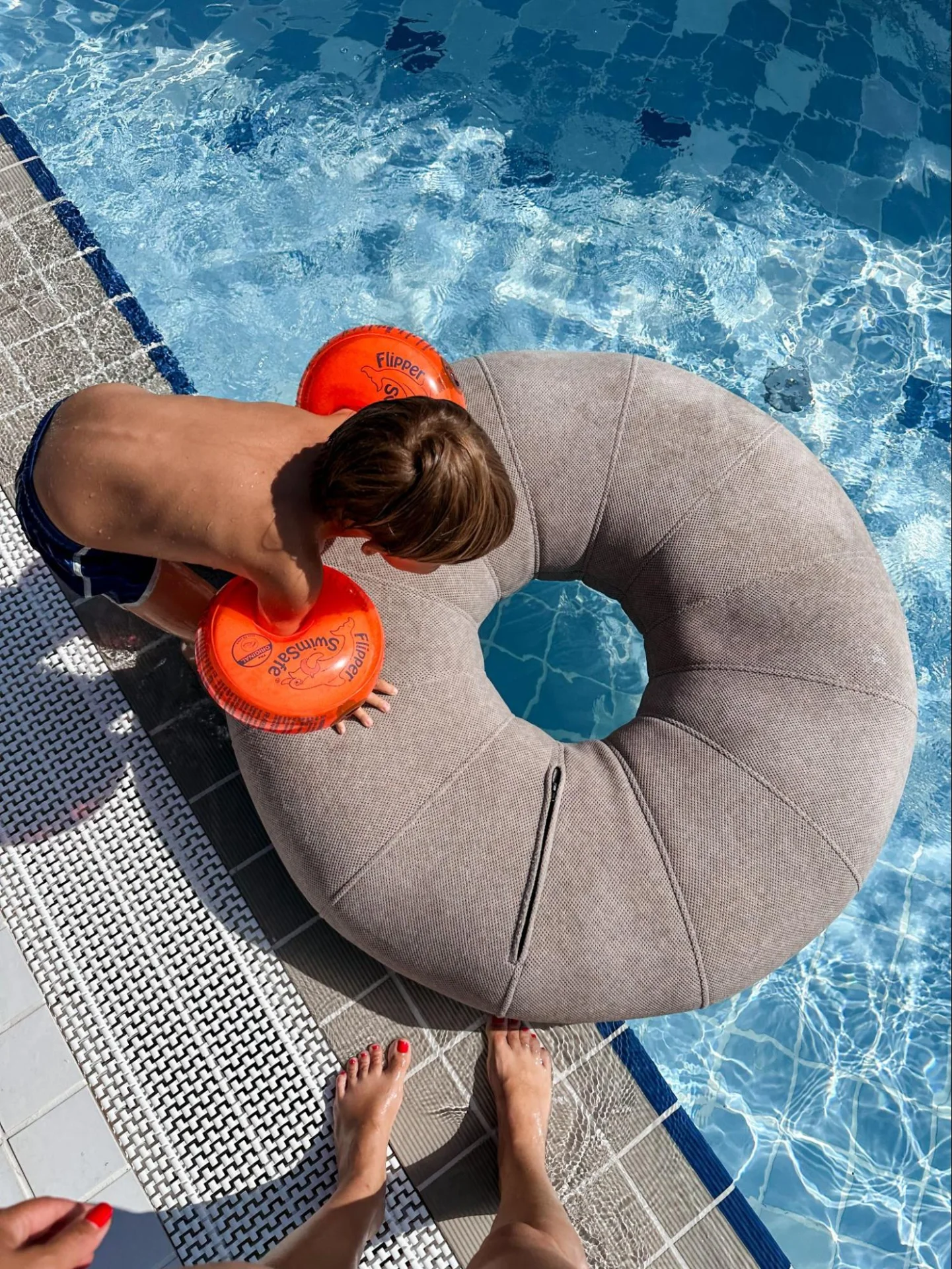



Children do not need constant unpredictability to become more resilient. What they need is a safe and predictable base from which they can occasionally step into new experiences that challenge them just enough.
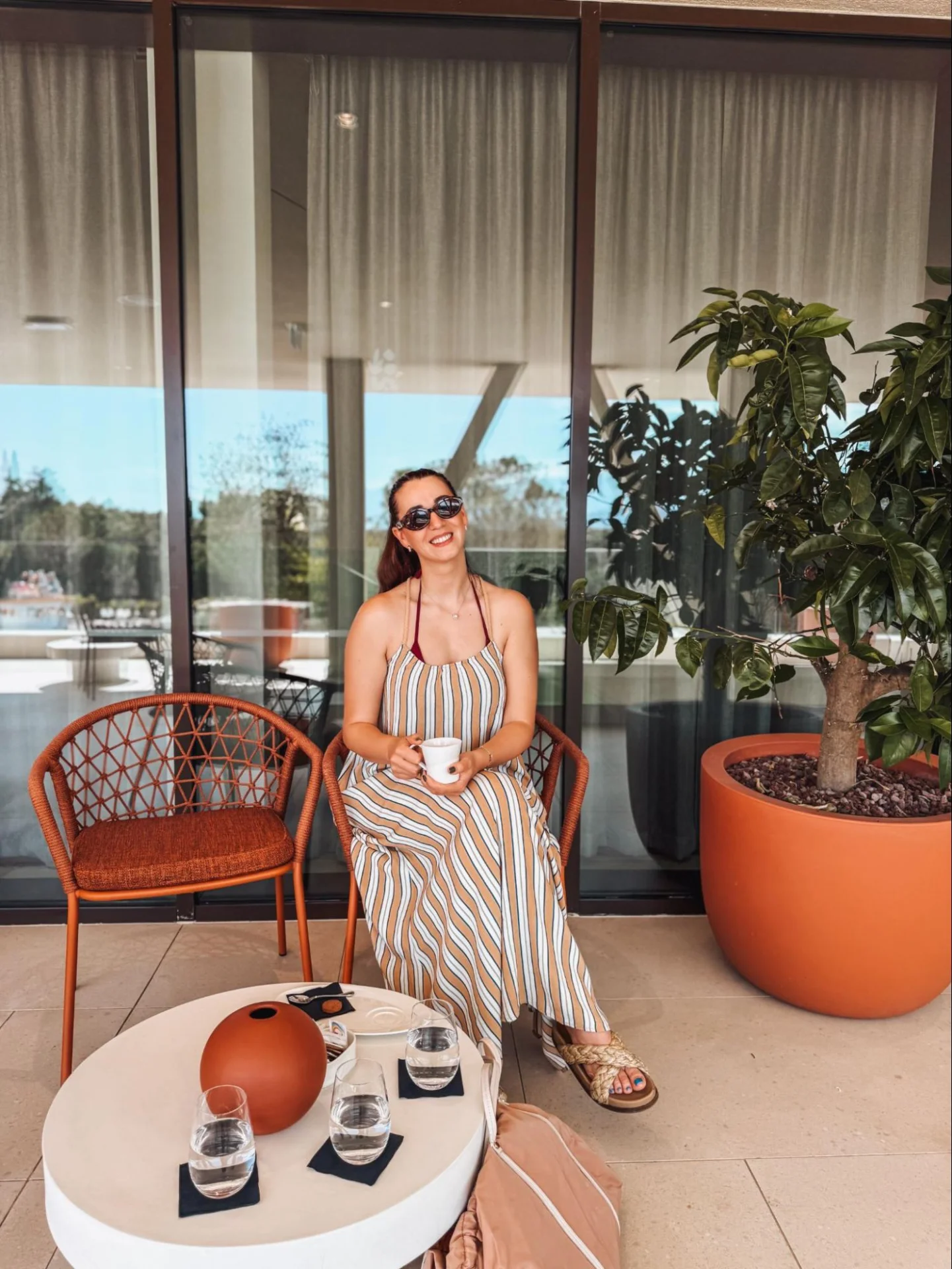
I can find my way beyond the familiar
Travel does not help children grow simply because it takes them somewhere new. Its real value lies in the experiences that come with it. With the reassurance of their parents nearby, children encounter unfamiliar situations, learn to adapt, solve small problems and gradually discover: I can find my way even when things are different from what I know.
This balance between security and manageable challenges can help build flexibility, independence and resilience, while also giving children a chance to connect what they learn at school with the real world. These are some of the most valuable benefits of travel for children.
Travelling with children can often seem like a lot of planning, packing and logistics. But it does not have to feel that way. In this article, I want to explore how travel can benefit your child, and how those shared experiences can have a positive impact on the whole family.
Shared experiences and the connection they create
Everyday life as a parent often means there is always something else to do. Wash the dishes, do the ironing, tidy up, take care of another task. We fall into a routine, and our children are often the ones left waiting.
A family trip or holiday, even if travelling with children is never completely effortless, is something we experience together. We can focus more on one another and finally give our children our full attention, because for once, someone else is taking care of us too. The time we spend together, even when some moments are challenging, becomes our time and gives children a strong sense of belonging.
I often hear the question: why travel with children when they will not remember it anyway? It is true that during the first three or four years, children probably will not have clear memories of those trips later on. But those experiences still leave a mark. They help build a sense of togetherness, something our children need more than ever in the fast pace of everyday life.
Every trip also brings something new to discover: a different beach, a new food, a path we have never walked before. And when we discover these things together, even an ordinary afternoon can become something that belongs to us. In a world where we parents spend so much time looking at screens, that kind of shared exploration feels especially important.
Recently, our children persuaded us to try the inflatable water park in the sea below Pical Family Hotel. I have to admit, it was not really an activity I was excited about at first, but I was surprised by how much it brought us together. The four of us, focused on the same thing, sharing the same adventure. These are the stories children return to. Most often, when we ask them what they enjoyed most during a certain period, they choose one of the things we did together.
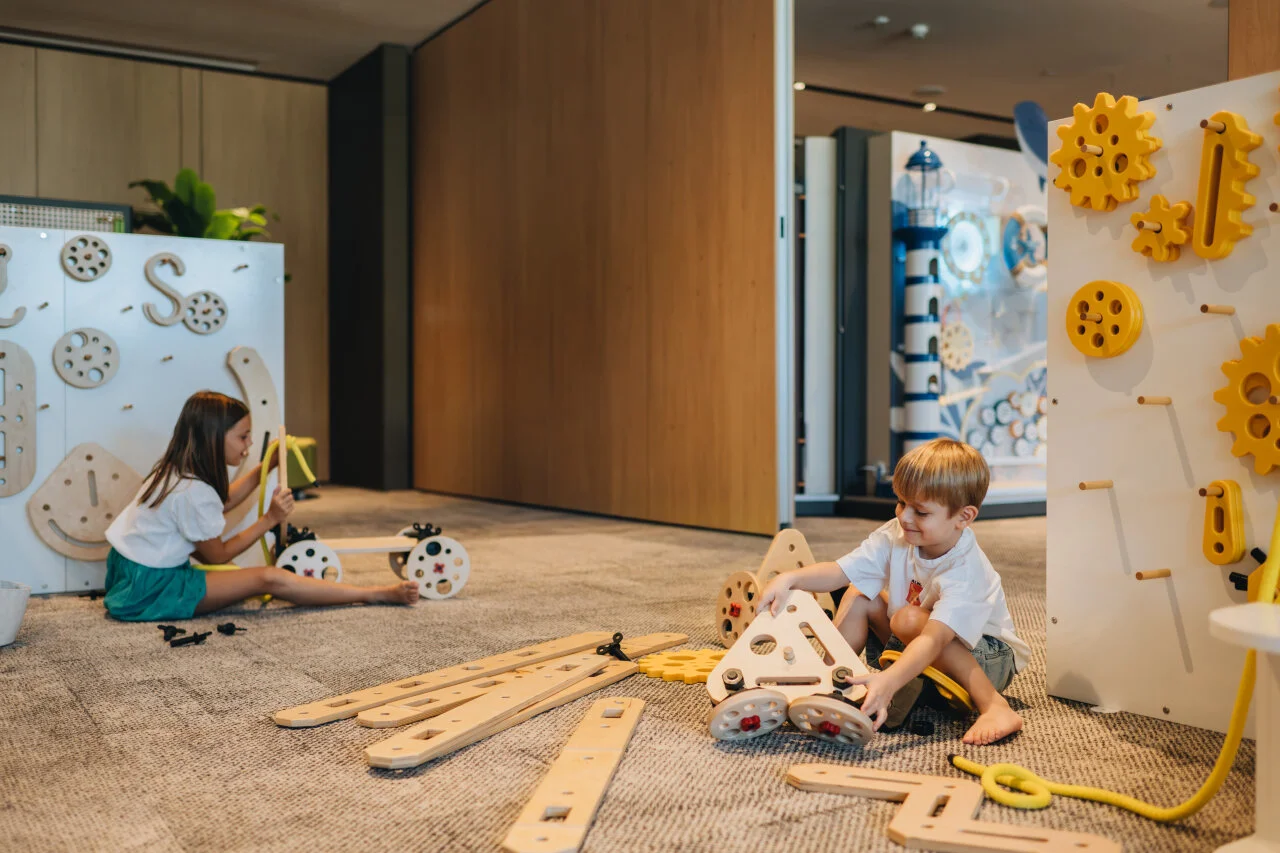
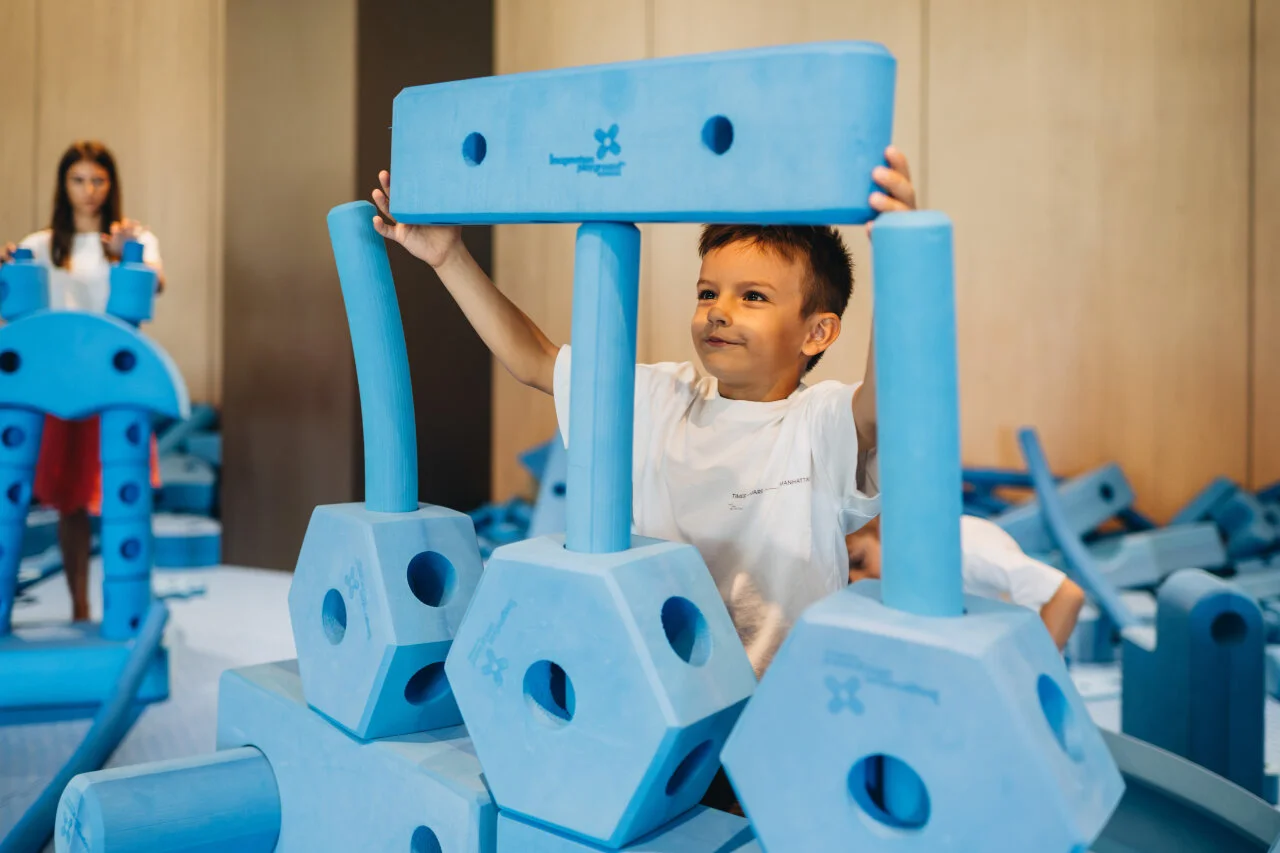
And when we finally slow down on holiday, our children notice it immediately. We can finally really see them: what surprises them, what excites them, what they are afraid of. That is often why children open up more on holiday, ask for more hugs and share things they might not usually say. They feel safe enough to let their guard down.
And this is where the deeper layer begins. Meaningful, fully present moments with our children gradually create a safe space in which they feel able to confide in us. It happens when we genuinely enjoy being with them. When a child feels how much we love spending time together, they receive one of the most important messages of all: that they are enough simply because they exist. That message stays with them even when they are not doing anything special or behaving perfectly. They are loved simply because they are with us and they are ours. Research has also explored how travel can strengthen parent-child connection, togetherness and communication.
And those small moments add up. Years later, when a child is older, that same sense of safety can be one of the reasons they still want to come to us and talk. Children confide in the people around whom they have felt seen and loved, and we build that foundation now, during these seemingly ordinary days by the sea.
Small challenges that help children grow
Family travel can help children develop important life skills, including independence and adaptability. They learn to adjust to new situations, communicate and cooperate, take initiative, solve problems and become curious about new things.
A new environment gives children opportunities to tolerate a little uncertainty, communicate with unfamiliar people, find their way around, wait and solve small new problems. These are exactly the kinds of experiences that can build the feeling: I can cope even when everything is not familiar.
Of course, this works best when travel happens from a stable and secure base, with parents or other trusted adults nearby. Experiences should be appropriate for the child’s stage of development, challenges should match their age, and adults should be there to support them as they adjust to change.
For a child, travel is a series of small, safe challenges. And it is often through these manageable challenges that some of the most valuable benefits of travel for children begin to emerge.
A child adjusts to a different bed and a new place, gradually becoming more comfortable with change. Moments when they need to wait, such as during a long car journey, quietly build patience and self-regulation. From my own work, and from what research tells us, I know just how valuable these skills can be. Children who develop them early often find it easier later on to cope with stress, change and relationships.
Pulling their own little suitcase, helping to pack or organise their things, waiting until it is time to go to the pool – these may seem like tiny moments, but they all help children feel more capable. It is worth involving them whenever we can. Changes in routine also encourage flexibility. Of course, we still follow the child’s needs, but stepping just a little outside the familiar can be very beneficial. Later, that flexibility can help when starting nursery or school, or when facing other unfamiliar situations.
I remember travelling regularly by plane from England to Croatia with my daughter when she was only a year and a half old. That meant getting to the airport, waiting for two hours, boarding, flying, getting off the plane and then waiting again. Looking back, I realised just how much patience she was practising every time.
At one point, she calmly stood waiting for a lift for around ten minutes, looking remarkably composed, almost like a middle-aged lady who had nowhere else to be. It was one of those moments when I could clearly see how travel can help children practise some of the skills they will use throughout their lives.
This is also where family-friendly accommodation can make a real difference.Valamar’s family accommodation is designed around children, giving them, once they reach the right age, a safe environment in which they can practise being more independent.
For our family, one example was the little bikes at Arba Resort. The children rode around for hours while we were able to sit nearby and enjoy a coffee. With a wristband that allowed them to come and go independently, they could enter and leave the playroom themselves, while always knowing exactly where we were. The activity leaders organised such wonderful programmes that I remember thinking it would make an excellent nursery.
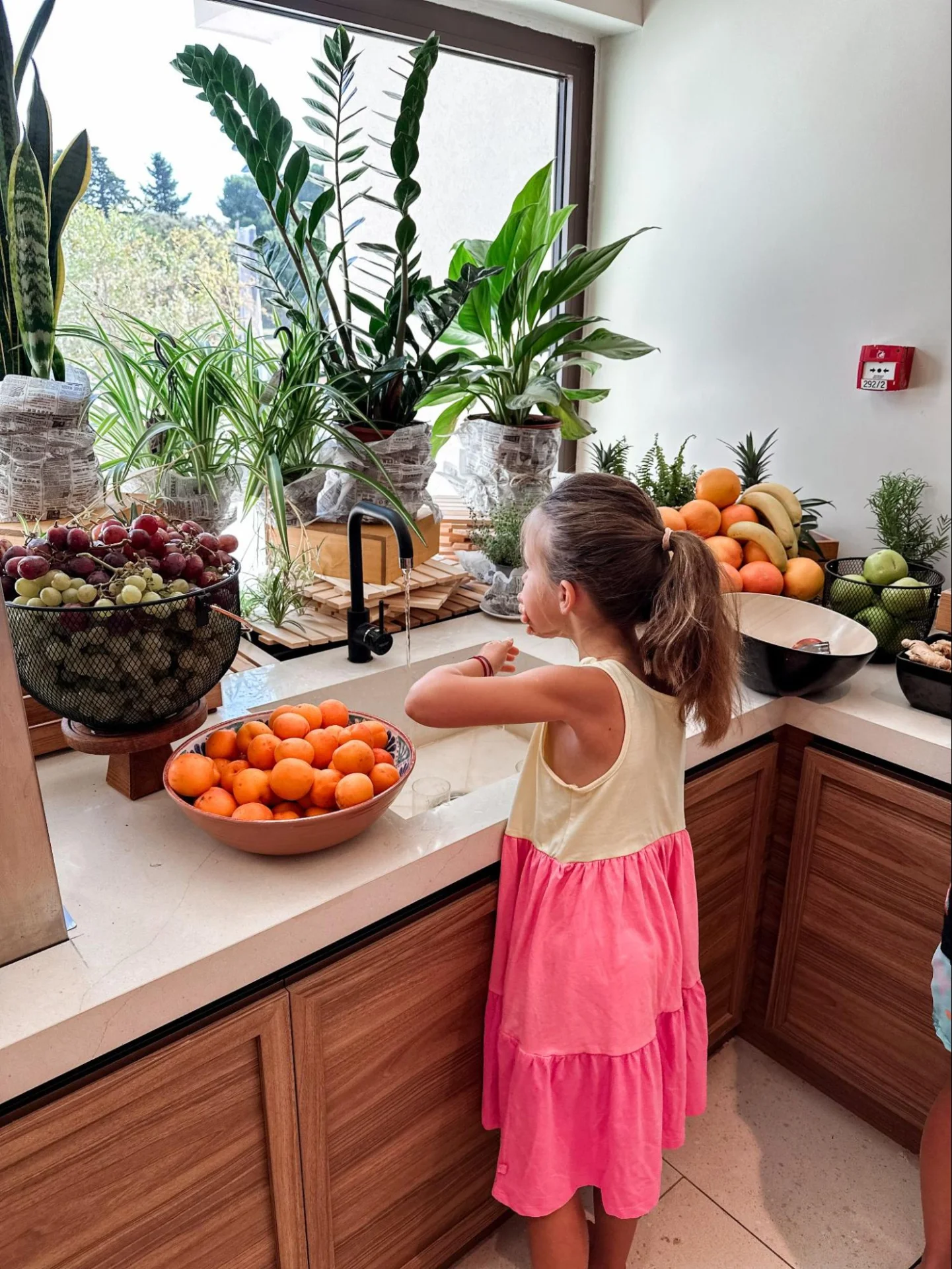
While we were by the pool, they could even go and get their own snack from the food available throughout the day. These were all small skills they built step by step, and every one of those experiences sent the same message: You are capable, and we trust you.
And when a child goes through something difficult with a calm and supportive parent by their side, they build resilience by learning that difficult feelings pass, too.
When parents can relax, memories happen naturally
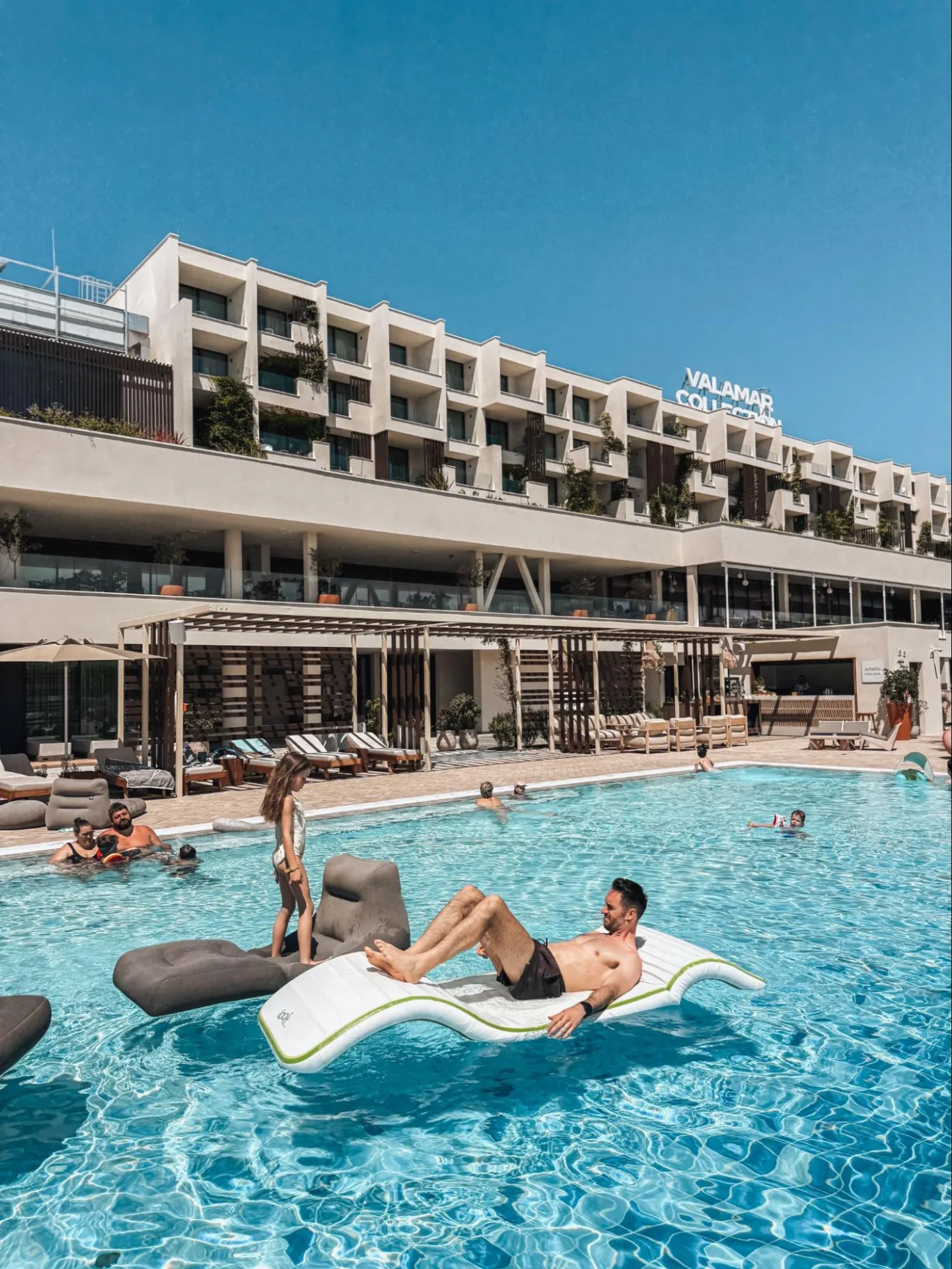
What we parents often want most from a holiday is exactly this balance: time with our children, but also five quiet minutes to ourselves. You sit with your book and a drink, finally able to relax, while every ten minutes or so your child cycles past and carries on. Or they play in the area for younger children, still within sight, while you get a chance to breathe. These are the moments we long for.
Valamar’s family accommodation is designed around exactly that idea, with children’s facilities close to the spaces where parents can unwind. Everyone gets to enjoy the holiday at the same time, just in their own way. And having snacks available throughout the day takes away one more worry, because you know there is always something your child can eat when they need it.
That way, everyone gets what they need, and the memories happen naturally. Slow mornings with no need to rush, afternoons with nowhere you have to be – often exactly what children enjoy most.
Travel does not have to be perfect to be meaningful. It is in that combination of connection and small challenges that children gain some of the things that help them grow: the feeling that they belong, that they are seen and that they are capable. Those are foundations they carry with them long after the holiday is over.


