


Croatia’s food culture is as diverse as its landscapes. Along the Adriatic coast, Mediterranean flavours meet centuries-old fishing and island traditions, while inland cuisine is heartier, shaped by local ingredients and Central European culinary heritage. Each region has its own specialities, recipes and food customs.
This guide takes you beyond the menu, with regional dishes, local wines, useful food terms and a few tips to help you eat like a local. Looking for inspiration on what to order along the coast? Start with our guide to 10 Adriatic specialities you must try.
Top Dishes by Region
One of the best ways to explore Croatia is through its regional cuisine. Rather than trying to taste everything, look for the specialities of the area you’re visiting and ask for a local recommendation.
The table below is only a short overview, not a complete list: every region has far more to offer than fits in a few rows. Here’s what to look out for.
| Region | What to order | What to drink | Good to know |
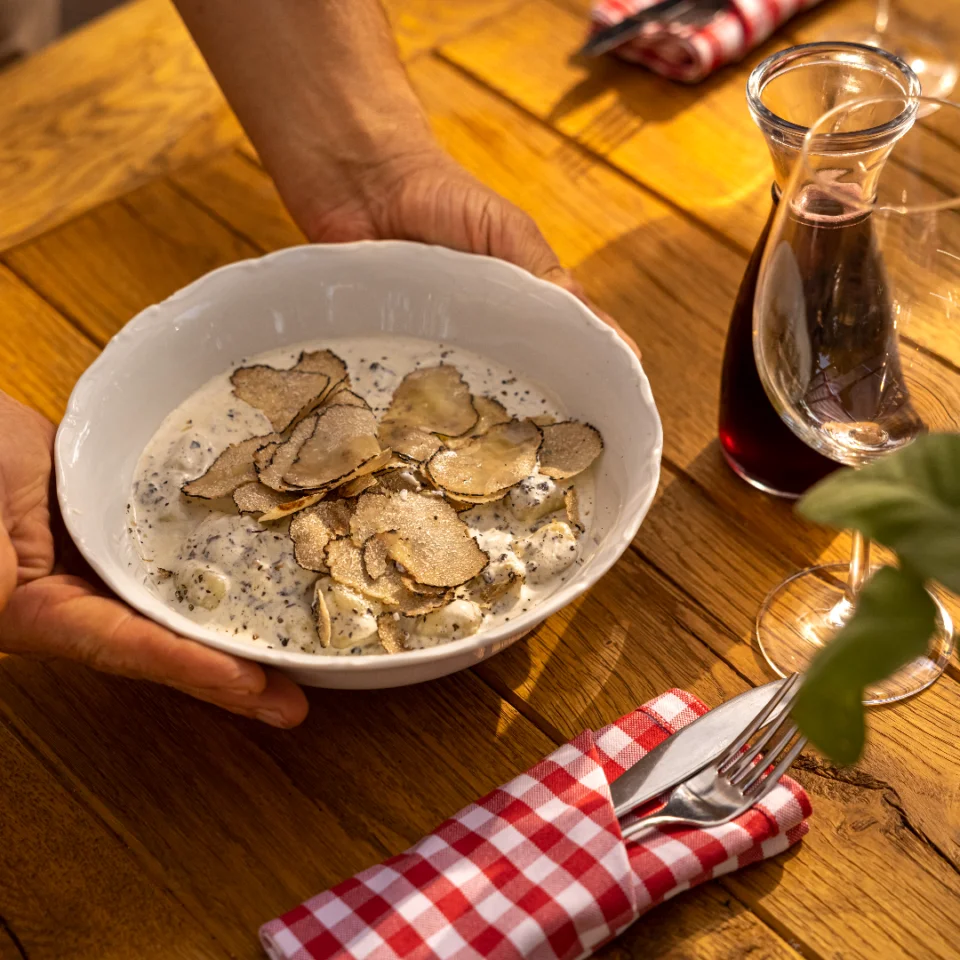
| Istria | Fuži or pljukanci with truffles, istarski pršut, maneštra | Malvazija, Teran | Famous for truffles, olive oil and handmade pasta |
| Kvarner | Kvarner scampi, šurlice, lamb, Krčki pršut | Žlahtina | Scampi are often served na buzaru, while šurlice are handmade pasta from Krk |
| Northern and Central Dalmatia | Peka, pašticada, brudet, black risotto, soparnik, Paški sir | Plavac Mali, Babić | Peka is a slow-cooked speciality that usually needs to be ordered in advance |
| Southern Dalmatia and Dubrovnik | Ston oysters, šporki makaruli, zelena menestra | Pošip, Grk, Plavac Mali | Mali Ston Bay is renowned for its oyster farming |
| Lika and Gorski Kotar | Lika lamb, škripavac cheese, hearty meat and potato dishes | Local wines and fruit brandies | Simple, filling food shaped by the mountain climate |
| Slavonia and Baranja | Kulen, fiš paprikaš, čobanac | Graševina | Paprika is a signature ingredient in many local dishes |
| Zagreb and Zagorje | Zagorski štrukli, purica s mlincima, Zagrebački odrezak | Graševina and other continental whites | Štrukli can be baked or boiled – try both and decide which you prefer |
| Međimurje | Meso z tiblice, hearty meat dishes, Međimurska gibanica | Pušipel | Pušipel is the local name for Furmint and one of the region’s best-known wines |
Local Eating Habits: How to Eat Like a Local
Food in Croatia is about more than what’s on the plate. It’s also about taking your time, enjoying company and following the rhythm of the day.
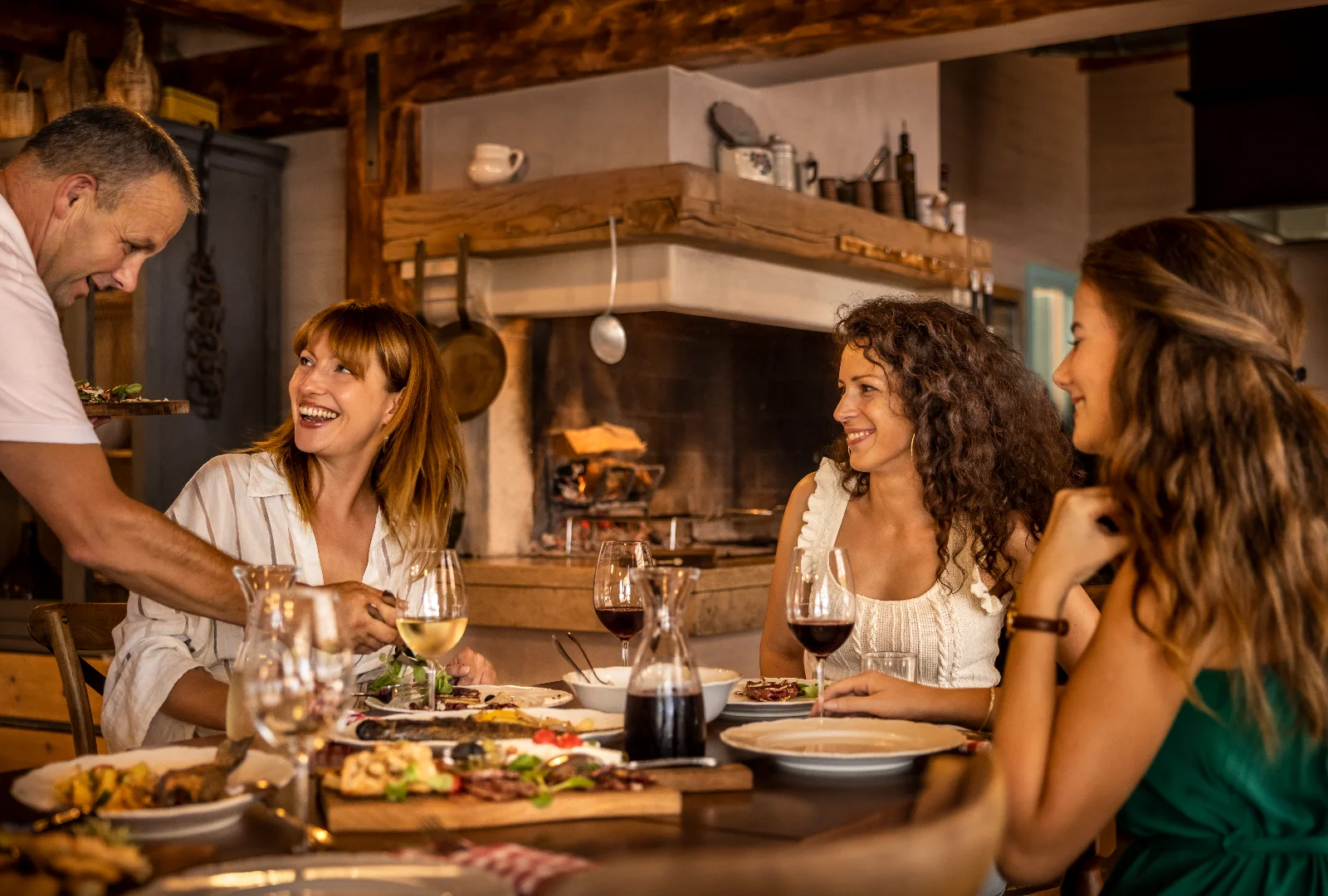
- Enjoy meals at a relaxed pace. Whether it’s a leisurely lunch (ručak) with family or dinner (večera) with friends, meals in Croatia are often about taking your time, enjoying good food and sharing moments around the table.
- Look out for marenda and gablec. In Dalmatia and Istria, marenda is a mid-morning meal, while in Zagreb and other continental regions, gablec usually refers to a midday meal or lunch break. Both offer a chance to enjoy everyday local dishes rather than just restaurant specialities.
- Make time for coffee. In Croatia, kava is about taking time to connect with people, catch up, share stories and enjoy each other’s company. It’s an important part of everyday life, whether you’re meeting someone dear to you or getting to know someone new. One coffee can easily turn into an hour at a café table, and nobody will hurry you away.
- Follow the seasons. Local menus often change with what’s available. Wild asparagus in spring, fresh seafood in summer, mushrooms in autumn and hearty stews in winter are all part of the country’s food calendar.
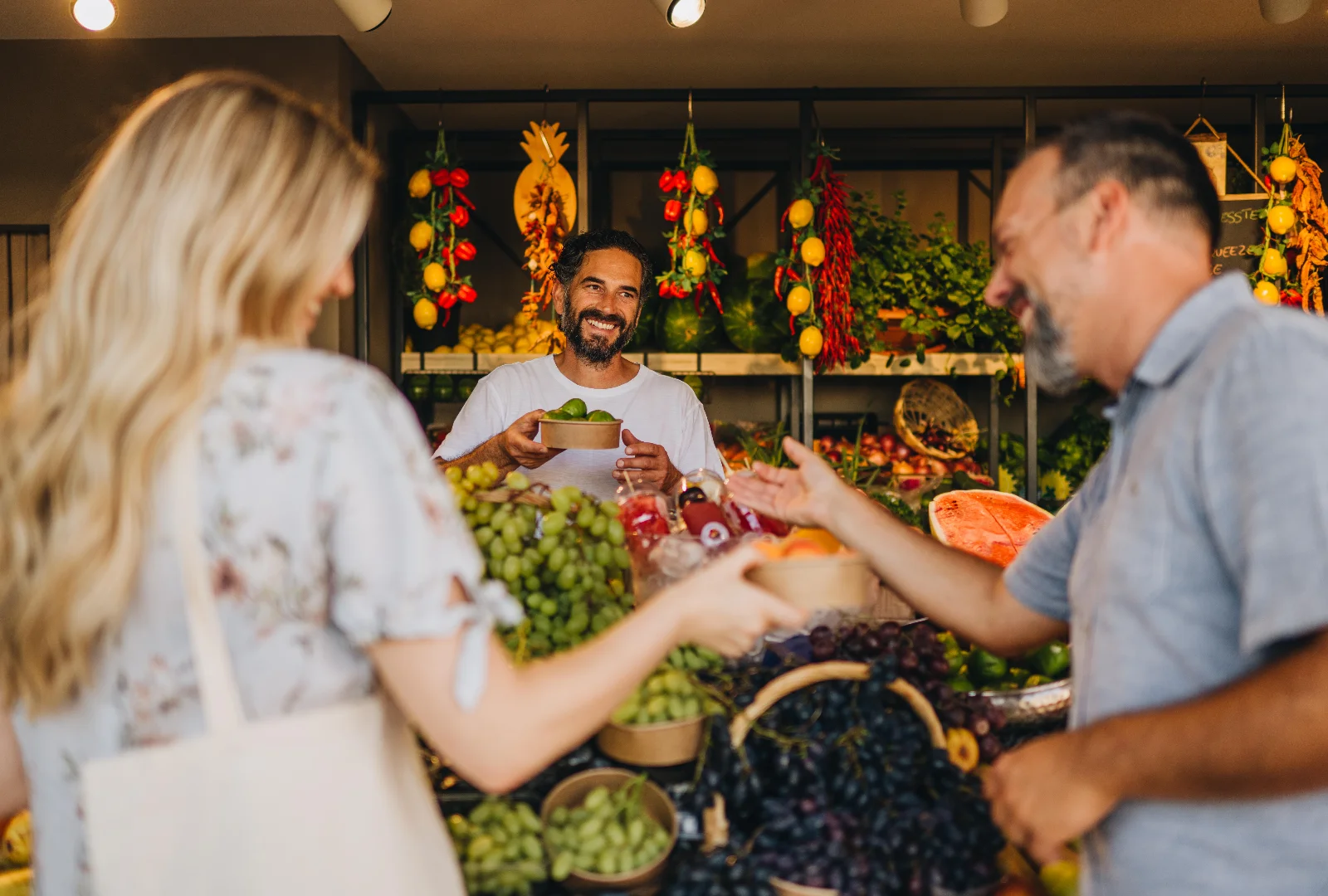
- Visit a local market. Markets are a great way to discover seasonal produce and regional ingredients. In Zagreb, the best-known market is Dolac; in Split, locals head to the pazar, while Rijeka’s central market is often called Placa. You’ll also hear the general words plac or tržnica. A fish market is a ribarnica.

Before You Order: A Few Useful Tips
A little local know-how can make ordering in Croatia easier and help you get the most out of your meal.
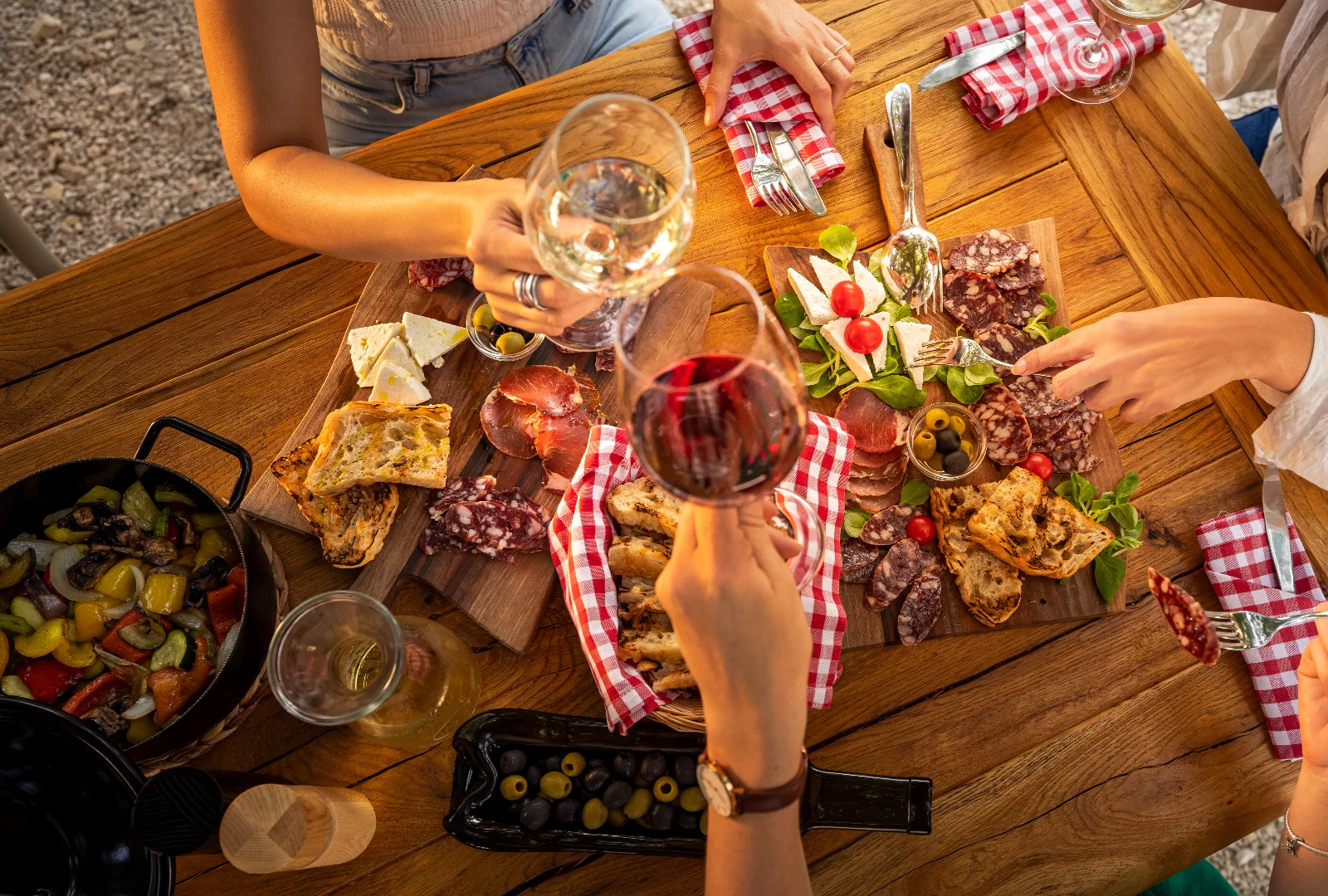
- Menus often follow a few courses. You may see predjelo (starter), glavno jelo (main course) and desert (dessert). Sharing a starter or a plata is common. A plata is a sharing platter, usually served with a selection of cured meats and cheeses or fresh seafood. Some restaurants also offer larger meat or seafood platters as a main course.
- Ask about the catch of the day. Fresh fish is often listed separately from the regular menu. Check the price carefully, as it may be listed per kilogram rather than per portion.
- Order peka in advance. Because it takes several hours to prepare, it’s usually not something you can order spontaneously.
- Check portion sizes. Some dishes, especially meat and seafood platters, are generous. If you’re unsure, ask the waiter whether a dish is intended for one person or for sharing.
- Tipping is appreciated. A tip of around 10% is a common guideline when you’re happy with the service, but it’s not compulsory. If you’re paying by card and would like to leave a tip, cash is often the easiest option.
- Learn one useful phrase. When you’re ready to pay, simply say Račun, molim – “The bill, please.”
Where to Eat: From Konobas to Agrotourism
Croatia has several types of restaurants and traditional places to eat. Knowing a few names can help you find the kind of experience you’re looking for.
| Type of place | What to expect |
| Restoran | A restaurant, ranging from casual dining to more formal meals |
| Konoba | A traditional tavern, especially common along the Adriatic coast, often serving local dishes and seasonal ingredients |
| Gostionica / oštarija | A casual, traditional inn or local eatery |
| Agroturizam | A countryside farm restaurant serving food made with local ingredients, often from its own production |
| Kušaonica | A tasting room where you can sample regional products such as wine, olive oil, cheese or cured meats |
For a more local experience, try a konoba along the coast or an agroturizam in the countryside. A kušaonica is another good stop for tasting regional products and meeting the people who make them. Wherever you go, ask about the house specialities.
What to Drink: Croatian Wines, Spirits and More
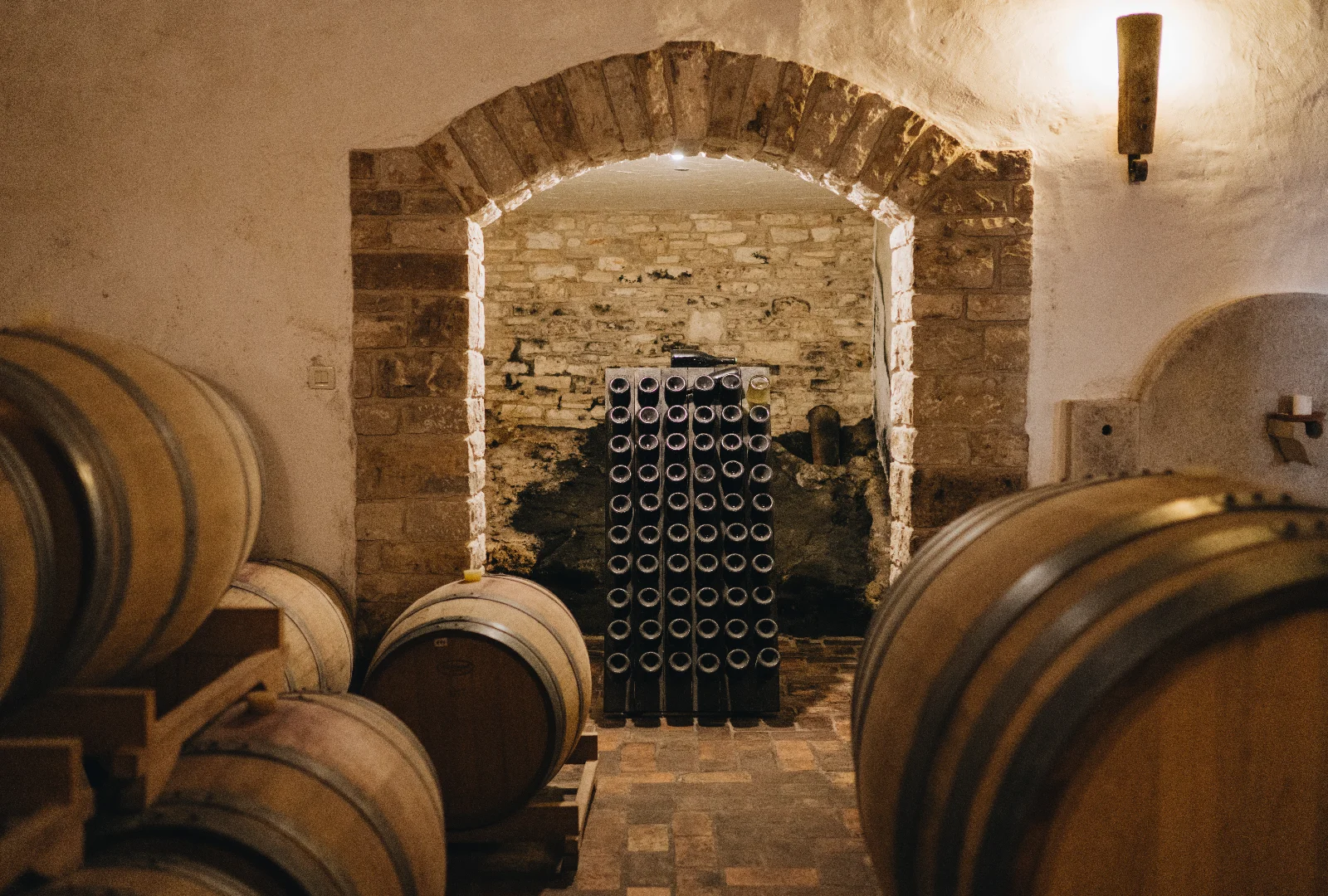
Croatia has four main wine regions and dozens of native grape varieties, many of which are closely tied to specific parts of the country. Wherever your travels take you, visiting a local winery and tasting its wines is an experience worth making time for. If you’re heading to Istria, our guide to wine tasting in Istria is a good place to start.
Local grape varieties and wines to know
- Malvazija: A fresh, aromatic white wine closely associated with Istria.
- Teran: A red grape variety from Istria, known for its lively acidity and distinctive fruity character.
- Žlahtina: A white grape variety native to the island of Krk, producing light and refreshing wines.
- Plavac Mali: One of Dalmatia’s best-known red grape varieties, producing full-bodied wines, particularly on the Pelješac Peninsula and the southern islands. Dingač and Postup are famous wine-growing areas associated with this variety.
- Pošip: A white grape variety originating from Korčula, producing full-bodied wines that are now also made in other parts of Dalmatia.
- Grk: A distinctive white grape variety grown mainly around Lumbarda on Korčula, where the sandy soils give its wines a unique character.
- Babić: A red grape variety traditionally grown around Primošten, known for producing rich, structured wines.
- Graševina: One of Croatia’s most widely planted white grape varieties, particularly popular in Slavonia and continental Croatia.
- Pušipel: The local name for the Furmint grape variety, closely associated with Međimurje and used to produce fresh, aromatic white wines.
Rakija and local liqueurs
Rakija is a traditional fruit or grape spirit associated with hospitality and homemade production. Depending on the region, you may come across šljivovica (plum), loza (grape), travarica (herbal) or medica (honey). In Istria, look for biska, a mistletoe rakija often served at the end of a meal. Other drinks worth knowing are Pelinkovac, a bitter herbal liqueur, and Maraschino, a cherry liqueur traditionally associated with Zadar.
Wine mixes
- Bevanda: Wine mixed with still water, common in Dalmatia and along the Adriatic coast.
- Gemišt: White wine mixed with sparkling mineral water, popular in continental Croatia.
What Does It Mean? A Guide to Croatian Menu Terms
Some Croatian food terms are worth recognising before you sit down at the table. They often tell you exactly how a dish is prepared or served.
| Croatian term | What it means |
| Peka / sač / čripnja | A traditional cooking method in which food is slowly cooked under a metal or clay bell covered with hot embers |
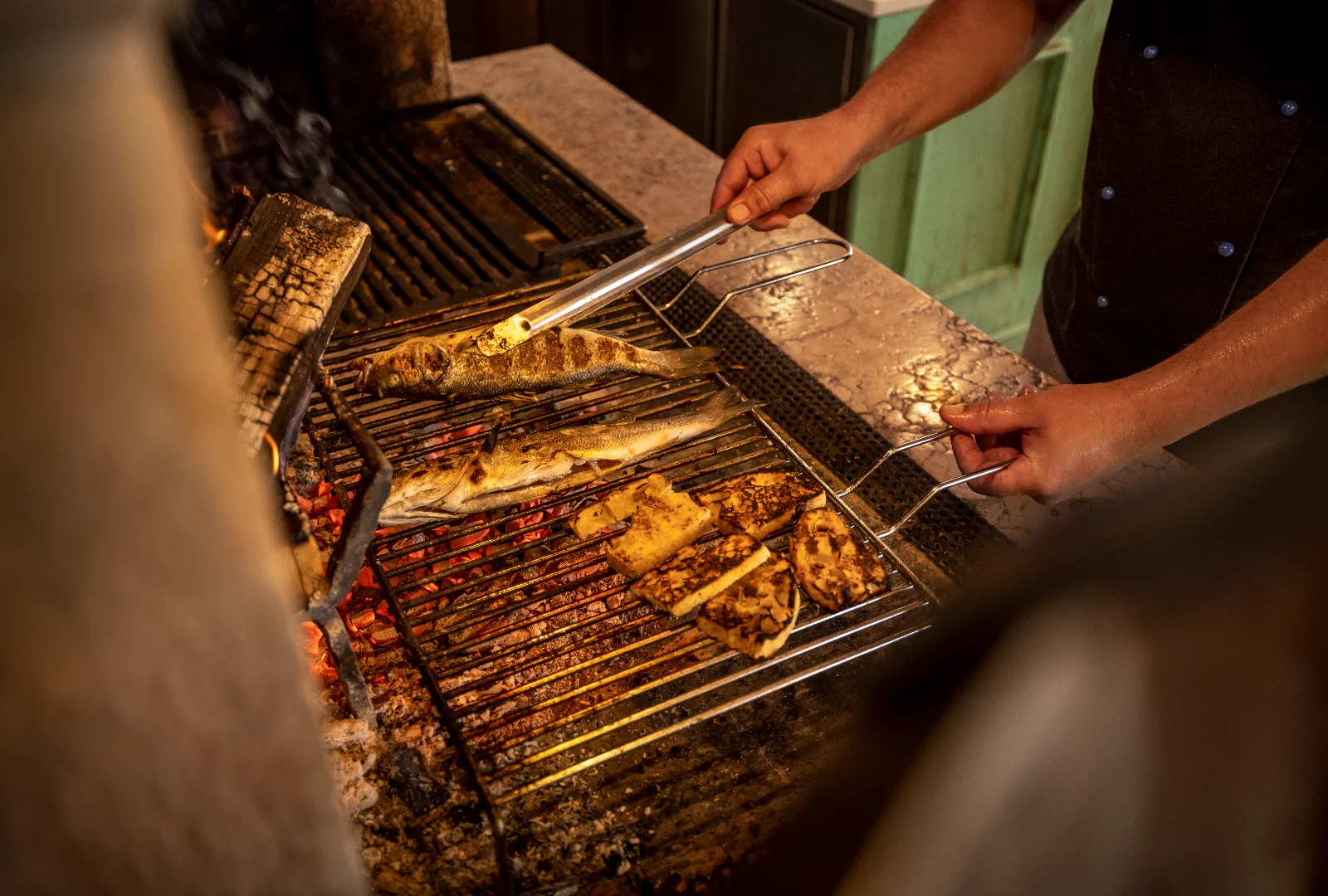
| Gradele | A grill, usually used for cooking fish and meat over an open fire |
Na žaru | Grilled |
Na buzaru | Prepared with garlic, wine, parsley and other seasonings, often used for scampi and mussels |
| Na lešo | Simply boiled or gently cooked, usually in water or broth |
| Plata | A sharing platter of cold cuts, cheese or other specialities |
| Dnevna ponuda | Daily specials or the dish of the day |
Local Words You’ll Hear at the Table
Croatian food culture comes with its own expressions. Some are especially associated with the coast, but you’ll hear them in everyday conversations too.
- Pomalo: Literally “slowly” or “take it easy”. It’s a relaxed approach to life and a reminder not to rush.
- Fjaka: A relaxed, almost blissful state of doing very little, often associated with the summer heat.
- Ćakula: A friendly chat or a bit of gossip, often over coffee or a meal.
- Gušt: Enjoyment or pleasure, especially when something tastes really good.
- Fešta: A celebration or a party, usually with plenty of food, drinks and music.
Save Room for Dessert
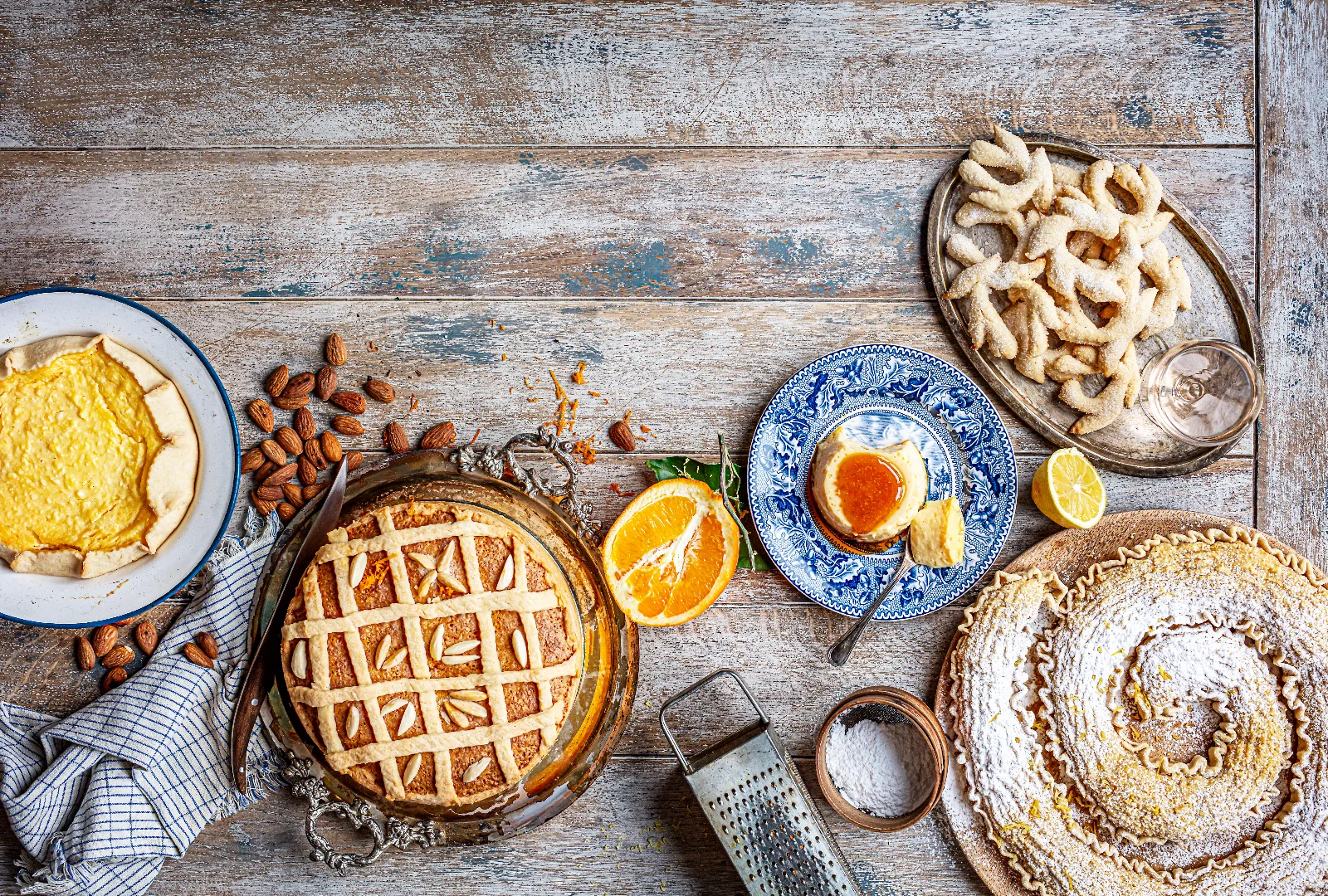
Croatian desserts are as varied as its regional cuisine. Along the coast, you’ll find small, fried treats such as fritule and kroštule, while rožata, a delicate custard dessert similar to crème caramel, is a Dubrovnik favourite.
On the island of Rab, try Rapska torta, an almond-filled cake with a long local tradition. You can discover more about its story in our article on the history of Rab cake.
In the north, kremšnita, a vanilla custard and cream cake, is a popular classic. Another dessert worth trying is Stonska torta, a traditional cake from the Pelješac peninsula made with pasta, nuts and other ingredients.
A Taste of Croatia to Remember
The best way to discover Croatia is to follow your appetite. Wander through a market, find a little konoba, order something you’ve never tried and let the conversation linger over another glass of local wine.
You might come for the food, but it’s often the people, the stories and those long, unhurried meals that stay with you. Every region has something different to share, and every table is another way of getting to know the place.
So make room for one more taste, one more story and one more reason to come back. Take it pomalo, enjoy every bite and, of course, dobar tek (enjoy your meal)!